
Your digestive system is truly the cornerstone of your overall health and well-being. For women, maintaining optimal digestive health becomes even more crucial due to hormonal fluctuations, monthly cycles, and life stages like pregnancy and menopause that can significantly impact gut function. When your digestive system is working harmoniously, you’ll likely notice improved energy levels, clearer skin, better mood stability, and enhanced immune function. The good news is that supporting your digestive health doesn’t require drastic lifestyle overhauls. With the right knowledge and consistent implementation of simple, evidence-based strategies, you can nurture your gut health naturally and effectively.
Understanding Women’s Unique Digestive Needs
Women’s digestive systems face unique challenges throughout their lives that men simply don’t experience. Hormonal fluctuations during menstrual cycles can significantly impact digestion, often causing bloating, constipation, or diarrhea in the days leading up to and during menstruation. Estrogen and progesterone levels directly influence gut motility and the gut microbiome composition.
During pregnancy, the growing uterus puts pressure on digestive organs while hormonal changes slow down digestion, leading to common issues like heartburn and constipation. Menopause brings another set of digestive challenges as declining estrogen levels can affect gut barrier function and increase inflammation.
Stress, which disproportionately affects women due to societal pressures and caregiving responsibilities, has a direct impact on the gut-brain axis. Chronic stress can disrupt the balance of beneficial bacteria in your intestines and increase intestinal permeability. Understanding these unique factors is the first step toward developing a personalized approach to digestive wellness that works with your body’s natural rhythms rather than against them.
Nourishing Your Gut with the Right Foods
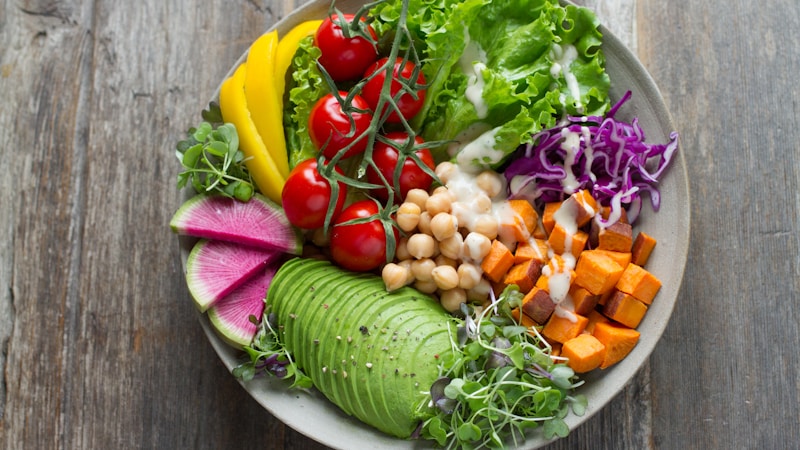
The foundation of excellent digestive health begins with the foods you choose to fuel your body. Incorporating fiber-rich foods is essential, but it’s important to increase fiber intake gradually to avoid uncomfortable bloating or gas. Aim for a colorful variety of fruits and vegetables, whole grains, legumes, and nuts to provide both soluble and insoluble fiber that supports healthy bowel movements and feeds beneficial gut bacteria.
Fermented foods are particularly powerful allies for women’s digestive health. Yogurt with live cultures, kefir, sauerkraut, kimchi, and kombucha introduce beneficial probiotics that can help maintain a healthy gut microbiome. These foods may be especially helpful during and after antibiotic treatments or during times of hormonal changes.
Hydration plays a crucial role in digestion that’s often overlooked. Water helps break down food, absorb nutrients, and keep waste moving through your intestines. Aim for at least 8 glasses of water daily, and consider starting your morning with a glass of warm water with lemon to gently stimulate your digestive system.
Bone broth deserves special mention for its gut-healing properties. Rich in collagen, glycine, and other amino acids, bone broth may help repair and strengthen the intestinal lining. Consider incorporating it as a nourishing snack or base for soups and stews.
Lifestyle Habits That Support Digestive Wellness
Your daily habits and routines have a profound impact on how well your digestive system functions. Mindful eating is one of the most powerful tools you can implement immediately. This means slowing down during meals, chewing your food thoroughly, and paying attention to hunger and fullness cues. When you eat too quickly, you’re more likely to swallow air, which can lead to bloating and discomfort.
Regular meal timing helps regulate your body’s natural digestive rhythms. Try to eat your meals at roughly the same times each day, and avoid eating large meals close to bedtime. Your digestive system needs time to rest and repair, just like the rest of your body.
Physical activity is incredibly beneficial for digestive health. Even gentle movement like walking after meals can help stimulate digestion and prevent constipation. Regular exercise also helps manage stress levels and supports healthy gut bacteria diversity.
Sleep quality directly impacts your digestive health through the gut-brain connection. Poor sleep can disrupt the balance of hormones that regulate appetite and digestion. Aim for 7-9 hours of quality sleep each night, and try to maintain a consistent sleep schedule even on weekends.
Managing Digestive Stress and Hormonal Fluctuations
The connection between stress and digestive health cannot be overstated, particularly for women who often juggle multiple responsibilities. Chronic stress triggers the release of cortisol, which can slow digestion, increase inflammation, and disrupt the balance of gut bacteria. Developing effective stress management techniques is crucial for maintaining optimal digestive health.
Deep breathing exercises, meditation, and yoga can all help activate your parasympathetic nervous system, which is responsible for the ‘rest and digest’ response. Even just five minutes of deep breathing before meals can help prepare your digestive system to function optimally.
During your menstrual cycle, you might notice that certain foods that normally agree with you cause discomfort during specific times of the month. Keep a food and symptom diary to identify patterns and adjust your eating habits accordingly. Some women find that reducing inflammatory foods like processed sugars and excess caffeine during their premenstrual phase helps minimize digestive discomfort.
For women experiencing perimenopause or menopause, supporting digestive health becomes even more important as hormonal changes can affect gut motility and increase the risk of digestive issues. Focus on anti-inflammatory foods rich in phytoestrogens, such as flax seeds, soy products, and legumes, which may help balance hormones naturally.
Natural Remedies and When to Seek Professional Help
Several natural remedies can provide gentle support for common digestive concerns. Ginger is excellent for nausea and can help stimulate digestion, making it particularly useful during pregnancy or menstruation. Peppermint tea may help soothe digestive discomfort and reduce bloating, while chamomile tea can help reduce inflammation and promote relaxation.
Probiotics and digestive enzymes can be valuable supplements for some women, particularly those who have taken antibiotics recently or struggle with food intolerances. However, it’s important to choose high-quality supplements and consult with a healthcare provider to ensure they’re appropriate for your specific needs.
While many digestive issues can be managed naturally, it’s important to recognize when professional help is needed. Persistent abdominal pain, significant changes in bowel habits, unexplained weight loss, blood in stool, or severe bloating that interferes with daily activities warrant medical attention.
Women should also be aware that certain digestive symptoms can be related to gynecological conditions like endometriosis or ovarian cysts. If your digestive symptoms seem to correlate with your menstrual cycle or are accompanied by pelvic pain, discuss these patterns with both your gastroenterologist and gynecologist for comprehensive care.
Recommended Products
To support your wellness journey, consider these helpful products:
Final Thoughts
Taking care of your digestive health is one of the most empowering steps you can take for your overall wellness as a woman. Remember that small, consistent changes often yield the most sustainable results. Start by implementing one or two of these digestive health tips and gradually build upon your successes. Your gut health journey is unique to you, and what works best may require some experimentation and patience. Listen to your body, stay consistent with healthy habits, and don’t hesitate to seek professional guidance when needed. With time and attention, you can develop a thriving digestive system that supports your energy, mood, and overall quality of life for years to come.