
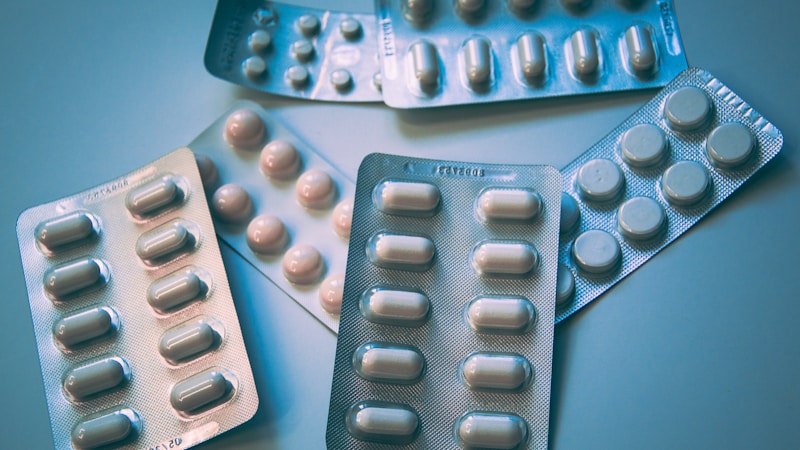
As women, our bodies have unique nutritional needs that change throughout different life stages. While a balanced diet should always be our foundation, certain vitamin supplements can help bridge nutritional gaps and support our overall wellness journey. From supporting bone health to boosting energy levels, the right supplements can complement your healthy lifestyle. Understanding which vitamin supplements women should take can feel overwhelming with countless options available. This guide will help you navigate the essential vitamins that may benefit women’s health, empowering you to make informed decisions about your wellness routine.
Why Women Have Unique Nutritional Needs
Women’s bodies undergo significant changes throughout life, from menstruation and pregnancy to menopause. These biological processes create specific nutritional demands that differ from men’s requirements. For instance, women of reproductive age need more iron due to monthly blood loss, while calcium becomes increasingly important as estrogen levels decline with age.
Additionally, women are more prone to certain health conditions like osteoporosis, iron-deficiency anemia, and thyroid disorders. These factors make targeted nutrition particularly important for maintaining optimal health. While food should always be your primary source of nutrients, supplements can serve as valuable insurance against deficiencies.
It’s also worth noting that modern lifestyle factors—such as stress, busy schedules, and processed food consumption—can make it challenging to get all necessary nutrients from diet alone. This is where carefully chosen supplements can play a supportive role in your wellness strategy.
Essential Vitamins for Women’s Daily Health
Several vitamins stand out as particularly beneficial for women’s health. Vitamin D tops the list, as many women have insufficient levels due to limited sun exposure and dietary sources. This vitamin supports bone health, immune function, and may help regulate mood—all crucial for women’s wellbeing.
Folic acid (vitamin B9) is another essential nutrient, especially for women of childbearing age. It supports healthy cell division and can help prevent birth defects if pregnancy occurs. Even if you’re not planning to conceive, folate supports energy metabolism and red blood cell formation.
Vitamin B12 deserves special attention, particularly for women following plant-based diets or those over 50. This vitamin is crucial for nerve function, energy production, and preventing anemia. As we age, our ability to absorb B12 from food decreases, making supplementation increasingly important.
Vitamin C, while available in many foods, can be beneficial as a supplement during times of stress or illness. It supports immune function, collagen production for healthy skin, and helps with iron absorption—particularly relevant for women who may struggle with iron deficiency.
Minerals That Support Women’s Wellness
Beyond vitamins, certain minerals are particularly important for women’s health. Iron stands out as perhaps the most critical, given that women lose iron monthly through menstruation. Iron deficiency can lead to fatigue, weakness, and decreased cognitive function—symptoms that can significantly impact quality of life.
Calcium works hand-in-hand with vitamin D to support bone health. Women reach peak bone mass in their thirties, after which bone density gradually declines. Adequate calcium intake, especially when combined with vitamin D and regular exercise, can help maintain strong bones throughout life.
Magnesium is often called the ‘relaxation mineral’ and plays a role in over 300 enzymatic reactions in the body. Many women find magnesium helpful for managing PMS symptoms, supporting sleep quality, and maintaining heart health. It also works synergistically with calcium for optimal bone health.
Zinc supports immune function, wound healing, and may help with skin health. Women who follow restrictive diets or have heavy menstrual periods may be at higher risk for zinc deficiency.
Omega-3s and Specialized Women’s Health Supplements
While technically not vitamins, omega-3 fatty acids deserve mention for their significant health benefits. These essential fats support heart health, brain function, and may help reduce inflammation. For women, omega-3s may be particularly beneficial for managing PMS symptoms and supporting mood balance.
Probiotics, though not traditional vitamins, are increasingly recognized for their role in women’s health. They support digestive health and may help maintain vaginal health by promoting beneficial bacteria balance. A healthy gut microbiome also supports immune function and may influence mood.
Coenzyme Q10 (CoQ10) is another supplement that some women find beneficial, particularly as they age. This antioxidant supports cellular energy production and heart health. While the body naturally produces CoQ10, levels decline with age.
For women going through menopause, certain herbal supplements like black cohosh or red clover isoflavones may provide support, though it’s important to discuss these with a healthcare provider as they can interact with medications or may not be suitable for everyone.
Making Smart Supplement Choices and Safety Considerations
When selecting supplements, quality matters significantly. Look for third-party tested products from reputable manufacturers. The FDA doesn’t regulate supplements as strictly as medications, so choosing trusted brands is crucial for safety and efficacy.
Timing can also impact supplement effectiveness. Some vitamins are best absorbed with food, while others should be taken on an empty stomach. Fat-soluble vitamins (A, D, E, K) are better absorbed with a meal containing some fat, while water-soluble vitamins (B-complex, C) can be taken anytime but may be gentler on the stomach with food.
It’s important to remember that more isn’t always better with supplements. Some vitamins can be toxic in high doses, and taking too much of certain nutrients can interfere with the absorption of others. For example, too much zinc can impair copper absorption, while excessive calcium might interfere with iron uptake.
Before starting any supplement regimen, consider discussing your plans with a healthcare provider, especially if you take medications, have health conditions, or are pregnant or breastfeeding. They can help you determine which supplements might be most beneficial for your individual needs and ensure there are no potential interactions with your current medications.
Recommended Products
To support your wellness journey, consider these helpful products:
Final Thoughts
Supporting your health with the right vitamin supplements can be a valuable part of your wellness journey. Remember that supplements work best as part of a holistic approach that includes a balanced diet, regular exercise, adequate sleep, and stress management. While the vitamin supplements women should take can vary based on individual needs, age, and life circumstances, focusing on the essentials like vitamin D, B vitamins, iron, and calcium provides a solid foundation for most women. Always prioritize quality when choosing supplements, and don’t hesitate to consult with healthcare professionals to create a personalized approach that supports your unique health goals. Your body deserves the best care, and making informed choices about supplementation is one way to invest in your long-term wellness and vitality.