
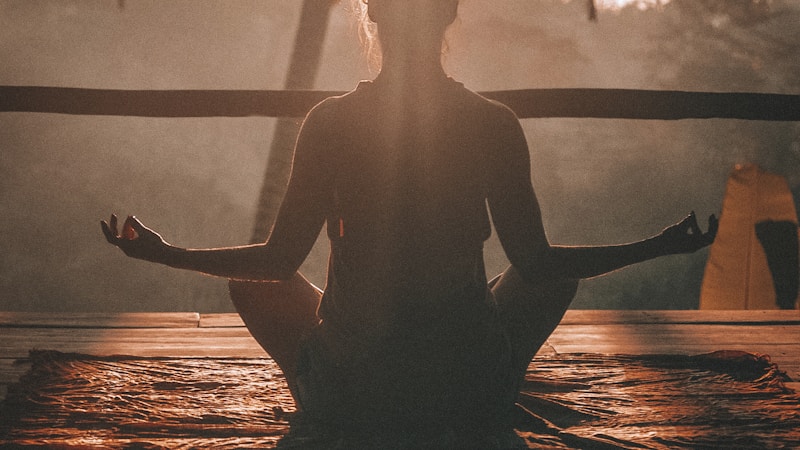
The teenage years can feel like an emotional rollercoaster, especially for young women navigating academic pressures, social dynamics, and physical changes. If you’re a teen girl feeling overwhelmed, you’re not alone – studies show that adolescent girls experience stress at higher rates than their male peers. The good news? There are proven, healthy ways to manage stress that can make a real difference in your daily life. Learning effective stress relief techniques now isn’t just about feeling better today; it’s about building lifelong skills for mental wellness and resilience.
Understanding Stress in Teenage Girls
Stress affects teenage girls differently than boys, often manifesting through perfectionist tendencies, social anxiety, and emotional overwhelm. During adolescence, hormonal fluctuations can intensify stress responses, making everyday challenges feel more overwhelming.
Common stress triggers for teen girls include academic pressure, friendship drama, body image concerns, family expectations, and social media comparisons. Recognizing these triggers is the first step toward managing them effectively.
It’s important to understand that experiencing stress is completely normal. Your brain is still developing, particularly the areas responsible for emotional regulation and decision-making. This means that intense feelings and stress responses are part of your natural development, not a personal failing.
Mindfulness and Breathing Techniques
Mindfulness practices can be incredibly powerful for teen stress relief. These techniques help you stay grounded in the present moment rather than getting caught up in worries about the future or regrets about the past.
Try the 4-7-8 breathing technique: breathe in for 4 counts, hold for 7, then exhale for 8. This activates your body’s relaxation response and can be done anywhere – before a test, during a difficult conversation, or when lying in bed.
Body scan meditation is another effective practice. Start at your toes and mentally check in with each part of your body, noticing any tension and consciously relaxing those areas. Even five minutes of this practice can significantly reduce stress levels.
Mindful walking can combine stress relief with gentle exercise. Pay attention to each step, the feeling of your feet touching the ground, and your surroundings. This practice helps interrupt anxious thought patterns while getting your body moving.
Physical Activities for Stress Relief
Exercise is one of the most effective natural stress relievers available. Physical activity releases endorphins – your body’s natural mood elevators – while also providing a healthy outlet for pent-up energy and emotions.
You don’t need to become a fitness fanatic to experience benefits. Dancing to your favorite music for 10-15 minutes can boost your mood and release tension. Yoga combines gentle movement with mindfulness, making it particularly effective for stress management.
Outdoor activities offer additional benefits. Fresh air and sunlight can improve mood and provide perspective on problems that seem overwhelming indoors. Consider walking, hiking, or even just sitting outside for a few minutes each day.
Team sports or group fitness classes can provide social connection alongside stress relief. The combination of physical activity and social support creates a powerful stress-busting combination.
Remember, consistency matters more than intensity. A daily 20-minute walk will likely provide more stress relief benefits than an occasional intense workout session.
Creative Expression and Emotional Outlets
Creative activities provide excellent outlets for processing emotions and reducing stress. Journaling can help you understand your feelings and gain perspective on stressful situations. Try writing for just 10 minutes each day without worrying about grammar or structure.
Art therapy techniques like drawing, painting, or crafting can be incredibly therapeutic. The act of creating something with your hands helps shift focus away from stressors while providing a sense of accomplishment.
Music offers multiple stress relief opportunities. Listening to calming music can lower cortisol levels, while playing an instrument or singing provides active stress relief. Creating playlists for different moods can give you ready-made tools for emotional regulation.
Writing poetry, short stories, or even song lyrics can help process complex emotions. The act of putting feelings into words often makes them feel more manageable and less overwhelming.
Building Healthy Daily Routines
Establishing consistent daily routines can significantly reduce stress by creating predictability and structure in your life. Focus on maintaining regular sleep and wake times, even on weekends, as sleep disruption can intensify stress responses.
Create a calming evening routine that signals to your body it’s time to wind down. This might include gentle stretching, reading, or listening to peaceful music. Avoid screens for at least an hour before bedtime, as blue light can interfere with sleep quality.
Nutrition plays a crucial role in stress management. Eating regular, balanced meals helps stabilize blood sugar and mood. Consider keeping healthy snacks available to avoid the stress that comes with extreme hunger.
Time management strategies can prevent stress from building up. Try breaking large tasks into smaller, manageable steps and celebrating small victories along the way. Learning to say ‘no’ to commitments that overwhelm your schedule is also an important skill.
Building in regular ‘me time’ isn’t selfish – it’s essential for mental health. Whether it’s reading, taking a bath, or pursuing a hobby, having time that’s entirely your own helps maintain emotional balance.
Recommended Products
To support your wellness journey, consider these helpful products:
Final Thoughts
Managing stress as a teenage girl requires patience, practice, and self-compassion. Remember that different techniques work for different people, so experiment with various approaches to find what resonates with you. The goal isn’t to eliminate stress entirely – that’s impossible and not even healthy. Instead, focus on building a toolkit of healthy coping strategies that help you navigate challenges with greater resilience and confidence. Start small, be consistent, and remember that seeking support from trusted adults, counselors, or mental health professionals is always a sign of strength, not weakness. Your mental health matters, and investing in these skills now will serve you throughout your life.