
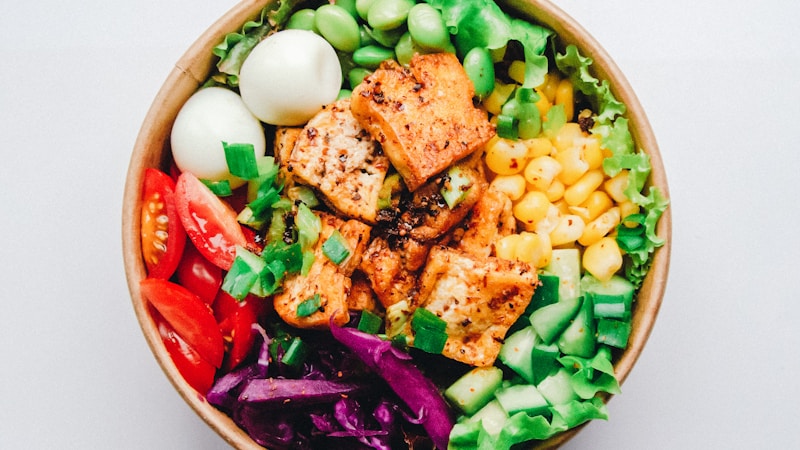
Creating an effective nutrition plan for women isn’t just about counting calories—it’s about understanding your unique physiological needs and honoring them with intention. Women’s bodies go through incredible changes throughout life, from puberty and menstruation to pregnancy, menopause, and beyond. Each phase brings distinct nutritional requirements that deserve attention and care. Whether you’re looking to boost energy, support hormonal balance, or simply feel your best every day, developing a personalized approach to nutrition can be transformative. This comprehensive guide will help you build a sustainable nutrition plan that works with your body, not against it, while fitting seamlessly into your lifestyle.
Understanding Women’s Unique Nutritional Needs
Women have distinct nutritional requirements that differ significantly from men due to hormonal fluctuations, body composition, and reproductive health needs. These differences aren’t just minor variations—they’re fundamental aspects that should shape your entire approach to eating.
Iron stands out as one of the most critical nutrients for women of reproductive age. Due to monthly menstruation, women need nearly twice as much iron as men. Iron deficiency can lead to fatigue, weakness, and decreased cognitive function. Including iron-rich foods like lean meats, leafy greens, legumes, and fortified cereals in your nutrition plan is essential.
Calcium and vitamin D work together to support bone health, which is particularly important for women who face a higher risk of osteoporosis later in life. Your body builds peak bone mass during your twenties and thirties, making this period crucial for establishing strong bones for the future.
Folic acid becomes especially important during childbearing years, even if pregnancy isn’t immediately planned. This B vitamin helps prevent neural tube defects and supports cellular function. Omega-3 fatty acids also play a vital role in hormonal health, brain function, and reducing inflammation throughout the body.
Building Your Foundation: Macronutrients for Women
Creating a balanced nutrition plan for women starts with understanding how to distribute macronutrients—proteins, carbohydrates, and fats—in a way that supports your energy levels, hormonal health, and overall well-being.
Protein needs for women are often underestimated. Aim for approximately 0.8 to 1.2 grams per kilogram of body weight, with higher amounts needed if you’re active or going through periods of stress or healing. Quality protein sources include lean meats, fish, eggs, dairy products, legumes, quinoa, and plant-based options like tofu and tempeh. Spreading protein throughout the day helps maintain stable blood sugar levels and supports muscle maintenance.
Carbohydrates shouldn’t be feared—they’re your body’s preferred energy source and crucial for brain function. Focus on complex carbohydrates like whole grains, vegetables, and fruits that provide sustained energy and important nutrients. These foods also contain fiber, which supports digestive health and helps maintain steady blood sugar levels.
Healthy fats are essential for hormone production, nutrient absorption, and satiety. Include sources like avocados, nuts, seeds, olive oil, and fatty fish in your nutrition plan. These fats support the production of hormones like estrogen and progesterone, which are crucial for women’s health.
Timing can also matter. Many women find that eating balanced meals every 3-4 hours helps maintain energy levels and prevents the afternoon energy crash that often leads to poor food choices.
Hormonal Health Through Strategic Nutrition
Your nutrition plan can significantly impact hormonal balance, which affects everything from mood and energy to sleep quality and reproductive health. Understanding how to eat for hormonal harmony can be a game-changer for many women.
Blood sugar stability forms the foundation of hormonal health. When blood sugar spikes and crashes throughout the day, it triggers cortisol release and can disrupt other hormones. Combine protein with carbohydrates at meals and snacks to create a steady release of glucose into your bloodstream.
Certain foods can support estrogen metabolism and balance. Cruciferous vegetables like broccoli, cauliflower, and Brussels sprouts contain compounds that help your liver process estrogen effectively. Flaxseeds provide lignans, which can help modulate estrogen levels naturally.
For women dealing with PMS or irregular cycles, magnesium-rich foods can be particularly beneficial. Dark chocolate, leafy greens, nuts, and seeds all provide this important mineral that supports muscle relaxation and mood regulation.
Adrenal health deserves special attention in our stress-filled world. Supporting your adrenal glands through nutrition means limiting caffeine intake, especially on an empty stomach, and including vitamin C-rich foods like citrus fruits, bell peppers, and strawberries in your daily routine.
Consider the timing of your largest meals around your menstrual cycle. Many women find they need more calories and carbohydrates in the days leading up to their period, and honoring these natural fluctuations rather than fighting them often leads to better overall balance.
Age-Specific Nutritional Considerations
A truly effective nutrition plan for women evolves with life’s different phases, acknowledging that nutritional needs change as we age and experience different life circumstances.
During the reproductive years (roughly 20s to 40s), focus on building strong nutritional foundations. This means ensuring adequate folate intake, maintaining healthy iron levels, and building peak bone mass through calcium and vitamin D consumption. If pregnancy occurs, nutritional needs increase significantly, particularly for protein, folate, iron, and healthy fats.
The perimenopausal and menopausal years bring unique challenges as estrogen levels fluctuate and then decline. During this time, metabolism may slow, and the risk for heart disease and osteoporosis increases. Emphasizing plant-based foods, maintaining adequate protein intake to preserve muscle mass, and ensuring sufficient calcium and vitamin D becomes even more critical.
Phytoestrogens from foods like soy products, flaxseeds, and legumes may help some women manage menopausal symptoms naturally, though individual responses vary significantly. Some women find that reducing caffeine and alcohol helps with hot flashes and sleep quality.
Post-menopause, heart health becomes a primary concern. The Mediterranean-style eating pattern, rich in fruits, vegetables, whole grains, fish, and olive oil, has extensive research supporting its benefits for cardiovascular health. This doesn’t mean you need to completely overhaul your eating style, but gradually incorporating more of these protective foods can make a meaningful difference.
Regardless of age, staying hydrated becomes increasingly important as we get older, as our thirst sensation may diminish over time.
Creating Sustainable Habits That Stick
The most perfectly designed nutrition plan means nothing if it’s impossible to maintain. Building sustainable eating habits requires a realistic approach that honors both your nutritional needs and your lifestyle constraints.
Start with small, manageable changes rather than attempting a complete dietary overhaul. Perhaps begin by adding a serving of vegetables to lunch or switching to whole grain versions of foods you already enjoy. These seemingly minor changes compound over time to create significant improvements.
Meal planning and preparation can be powerful tools, but they don’t have to be complicated or time-consuming. Even spending 20 minutes on Sunday washing vegetables, cooking a batch of quinoa, or preparing grab-and-go snacks can set you up for success throughout the week.
Learn to work with your natural preferences and schedule rather than against them. If you’re not a morning person, don’t force yourself into an elaborate breakfast routine. If you love social eating, find ways to maintain your nutrition goals while still enjoying meals with friends and family.
Practice flexible thinking around food. Perfectionism often leads to an all-or-nothing mentality that can derail long-term success. Instead, aim for progress, not perfection. If you have a day that doesn’t go according to plan, simply return to your healthy habits at the next meal without judgment.
Consider working with a registered dietitian, especially if you have specific health concerns or find yourself struggling with consistency. Professional guidance can help you create a personalized plan that addresses your unique needs and circumstances.
Recommended Products
To support your wellness journey, consider these helpful products:
Final Thoughts
Developing an effective nutrition plan for women is a journey of self-discovery and gradual implementation rather than a destination with rigid rules. Remember that your nutritional needs are unique and will evolve throughout your life. The key is creating a flexible framework that supports your health while fitting realistically into your lifestyle. Start with small changes, be patient with yourself, and celebrate the progress you make along the way. When you nourish your body with intention and kindness, you’re investing in not just your physical health, but your energy, mood, and overall quality of life. Your future self will thank you for the healthy habits you build today.