
Your hair is often considered your crowning glory, but achieving healthy, vibrant locks goes far beyond the products you apply externally. The foundation of beautiful hair starts from within, with proper nutrition playing a crucial role in hair growth, strength, and overall appearance. Many women struggle with hair concerns like thinning, breakage, or lackluster texture, often not realizing that nutritional deficiencies could be contributing factors. Understanding which vitamins and nutrients support hair health can empower you to make informed decisions about your wellness routine and potentially transform your hair from the inside out.
Understanding the Connection Between Nutrition and Hair Health
Hair follicles are among the most active cells in your body, requiring a steady supply of nutrients to function optimally. Each strand of hair is essentially made of protein, specifically keratin, which means your hair’s health directly reflects your overall nutritional status. When your body lacks essential vitamins and minerals, hair growth can slow down, and existing hair may become weak, brittle, or prone to breakage.
The hair growth cycle consists of three phases: anagen (growth), catagen (transition), and telogen (resting). Proper nutrition supports each phase, ensuring that new hair grows strong while maintaining the health of existing strands. Factors like stress, hormonal changes, poor diet, and certain health conditions can disrupt this cycle, leading to various hair concerns that many women experience.
It’s important to understand that hair health improvements through nutrition typically take time to become visible. Since hair grows approximately half an inch per month, any nutritional changes you make today will likely show results in the new growth over the coming months. This patience-requiring process makes consistency in your nutritional approach particularly important.
Essential Vitamins for Optimal Hair Health
Several key vitamins play crucial roles in maintaining healthy hair growth and appearance. Biotin, also known as Vitamin B7, is perhaps the most well-known hair health vitamin. It supports the production of keratin and helps strengthen hair follicles. While biotin deficiency is relatively rare, many women find that supplementing with biotin supports their hair health goals.
Vitamin D is another critical nutrient for hair health, as it helps create new hair follicles. Research suggests that vitamin D deficiency may be linked to alopecia and other hair loss conditions. Since many people have insufficient vitamin D levels, especially those with limited sun exposure, this vitamin deserves special attention in any hair health routine.
The B-vitamin complex, including B6, B12, and folate, supports healthy circulation to the scalp and aids in red blood cell formation, which carries oxygen and nutrients to hair follicles. Vitamin C acts as a powerful antioxidant, protecting hair follicles from damage while also helping your body absorb iron, another crucial nutrient for hair health.
Vitamin E provides antioxidant properties that may help reduce oxidative stress in the scalp, potentially supporting a healthy environment for hair growth. Vitamin A helps produce sebum, the natural oil that keeps your scalp and hair moisturized, though it’s important not to exceed recommended doses as too much vitamin A can actually contribute to hair loss.
Important Minerals That Support Strong Hair
While vitamins often get the spotlight, minerals are equally important for hair health. Iron is particularly crucial for women, as iron deficiency is one of the most common nutritional deficiencies worldwide and a frequent cause of hair thinning. Iron helps red blood cells carry oxygen to your hair follicles, and without adequate levels, your hair may become thin and weak.
Zinc plays a vital role in hair tissue growth and repair, and it helps keep the oil glands around hair follicles working properly. Zinc deficiency can lead to hair loss, and while severe deficiency is uncommon, marginal deficiency may be more prevalent than previously thought.
Selenium acts as an antioxidant that helps preserve hair health by protecting against damage. However, like vitamin A, balance is key with selenium – too much can actually cause hair loss, so it’s best obtained through a varied diet or well-formulated supplements.
Silicon, though less commonly discussed, contributes to hair strength and shine. It helps improve hair’s thickness and adds luster to your locks. Copper works alongside iron to help your body form red blood cells, which carry oxygen to hair follicles, and it also helps in the production of collagen and elastin, important for hair structure.
Choosing the Right Supplements and Food Sources
When considering hair health vitamins, you have the option of obtaining nutrients through food sources, supplements, or a combination of both. Whole foods are generally the preferred source of nutrients as they provide vitamins and minerals in forms that are easily absorbed by your body, along with other beneficial compounds.
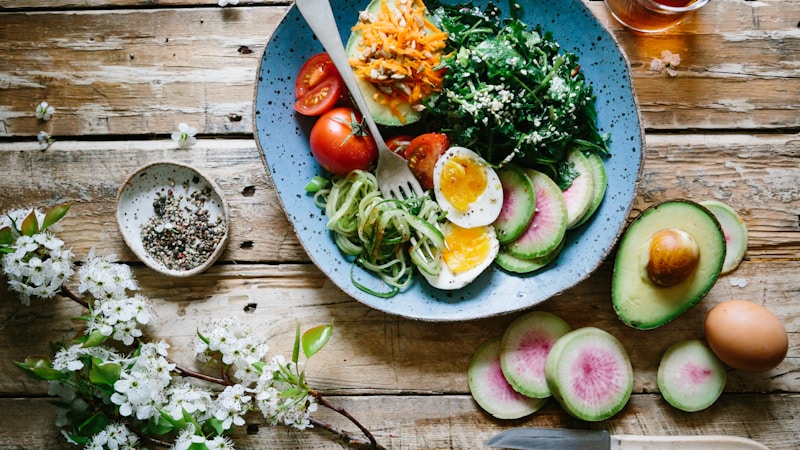
Foods rich in hair-healthy nutrients include eggs (biotin and protein), fatty fish like salmon (omega-3 fatty acids and vitamin D), leafy greens (iron and folate), nuts and seeds (zinc and vitamin E), and colorful fruits and vegetables (vitamin C and antioxidants). Sweet potatoes, avocados, and beans are also excellent choices for supporting hair health.
If you choose to supplement, look for high-quality products from reputable manufacturers. Hair-specific supplements often combine multiple nutrients that work synergistically to support hair health. However, it’s important to read labels carefully and avoid mega-doses of fat-soluble vitamins (A, D, E, K) which can accumulate in your body.
Before starting any new supplement regimen, consider consulting with a healthcare provider, especially if you have underlying health conditions or take medications. They can help you determine if you have any nutritional deficiencies and recommend appropriate dosages based on your individual needs.
Lifestyle Factors That Complement Hair Health Nutrition
While proper nutrition forms the foundation of healthy hair, several lifestyle factors can enhance or hinder your hair health efforts. Stress management is crucial, as chronic stress can push hair follicles into the resting phase prematurely, leading to increased hair shedding. Incorporating stress-reduction techniques like meditation, yoga, or regular exercise can support your overall hair health goals.
Adequate sleep is essential for cellular repair and regeneration, including the cells in your hair follicles. Aim for 7-9 hours of quality sleep per night to give your body time to repair and grow healthy hair. Creating a consistent sleep routine can significantly impact your overall wellness and, by extension, your hair health.
Hydration plays a vital role in maintaining healthy hair, as dehydrated hair can become brittle and prone to breakage. Drinking adequate water throughout the day helps maintain scalp health and supports the transport of nutrients to hair follicles.
Gentle hair care practices complement your nutritional efforts. Avoid excessive heat styling, harsh chemicals, and tight hairstyles that can cause mechanical damage to your hair. Regular scalp massage can improve circulation, potentially enhancing the delivery of nutrients to hair follicles.
Remember that hair health is a reflection of overall health. Regular exercise improves circulation, including blood flow to your scalp, while also helping manage stress levels. A holistic approach that combines proper nutrition with healthy lifestyle habits typically yields the best results for hair health and overall wellness.
Recommended Products
To support your wellness journey, consider these helpful products:
Final Thoughts
Supporting your hair health through proper nutrition is an investment in both your appearance and overall wellness. While hair health vitamins for women can play a valuable role in your beauty routine, remember that consistency and patience are key to seeing results. The most effective approach combines targeted nutrition with healthy lifestyle habits, creating an environment where your hair can thrive naturally. Focus on nourishing your body with a variety of nutrient-rich foods, consider high-quality supplements when appropriate, and maintain realistic expectations about timing. Your hair health journey is unique to you, and small, consistent steps toward better nutrition can lead to noticeable improvements in the strength, shine, and overall appearance of your hair over time.