
Your hair is often considered your crowning glory, but achieving healthy, vibrant locks goes far beyond the products you apply externally. True hair health starts from within, and proper nutrition plays a crucial role in maintaining strong, lustrous hair. While we often see discussions about hair health vitamins for men dominating the wellness conversation, women have unique nutritional needs that deserve equal attention. Understanding which vitamins and minerals support hair health can empower you to make informed decisions about your wellness routine and help you achieve the beautiful, healthy hair you deserve.
The Science Behind Hair Health and Nutrition
Hair follicles are among the most active cells in your body, which means they require a steady supply of nutrients to function optimally. Your hair growth cycle consists of three phases: anagen (growth), catagen (transition), and telogen (resting). During the anagen phase, which can last 2-7 years, your hair follicles are working overtime to produce new hair strands.
This intensive cellular activity means your hair follicles need consistent access to vitamins, minerals, and other nutrients. When your body lacks these essential components, it may prioritize vital organs over hair growth, leading to thinning, brittle, or slow-growing hair. Women face unique challenges including hormonal fluctuations during menstruation, pregnancy, menopause, and conditions like PCOS, all of which can impact hair health.
Understanding this connection between nutrition and hair health empowers you to take a proactive approach to hair care. Rather than relying solely on external treatments, focusing on internal nutrition creates a foundation for long-term hair health and overall wellness.
Essential Vitamins for Women’s Hair Health
Several key vitamins play crucial roles in maintaining healthy hair growth and strength. Biotin, also known as Vitamin B7, is perhaps the most well-known hair health vitamin. It helps produce keratin, the protein that makes up your hair structure. While biotin deficiency is relatively rare, ensuring adequate intake can support overall hair health.
Vitamin D is another critical nutrient that many women don’t get enough of, especially those living in northern climates or spending limited time outdoors. Research suggests that Vitamin D receptors in hair follicles play a role in hair growth cycles. Low levels may contribute to hair thinning and loss.
The B-complex vitamins work together to support hair health. Vitamin B12 helps create red blood cells that carry oxygen to hair follicles, while folate (B9) aids in cell division and DNA synthesis. Iron, though technically a mineral, deserves mention here as iron deficiency is common among women and can significantly impact hair growth.
Vitamin C acts as an antioxidant, protecting hair follicles from damage while also helping your body absorb iron more effectively. Additionally, Vitamin C is essential for collagen production, which strengthens hair structure.
Minerals That Support Strong, Healthy Hair
Beyond vitamins, several minerals are essential for optimal hair health. Zinc plays a vital role in hair tissue growth and repair, and it helps keep the oil glands around hair follicles functioning properly. Women following vegetarian diets or those with digestive issues may be at higher risk for zinc deficiency.
Iron deficiency is one of the most common nutritional deficiencies among women, particularly those who menstruate heavily or follow plant-based diets. Iron helps red blood cells carry oxygen throughout your body, including to your hair follicles. Without adequate iron, hair follicles may not receive enough oxygen to support healthy growth.
Selenium acts as an antioxidant, protecting hair follicles from environmental damage and oxidative stress. It works synergistically with other nutrients to maintain scalp health. Magnesium supports over 300 enzymatic reactions in the body, including those involved in protein synthesis and hair growth.
Silicon, often overlooked, contributes to hair strength and shine by supporting the structure of hair strands. It’s found naturally in foods like oats, bananas, and green beans, but many women don’t consume adequate amounts through diet alone.
Natural Food Sources vs. Supplements
While supplements can be helpful, obtaining nutrients from whole foods is generally preferable when possible. Nutrient-dense foods provide vitamins and minerals in forms that are often more easily absorbed by your body, plus they offer additional beneficial compounds like antioxidants and fiber.
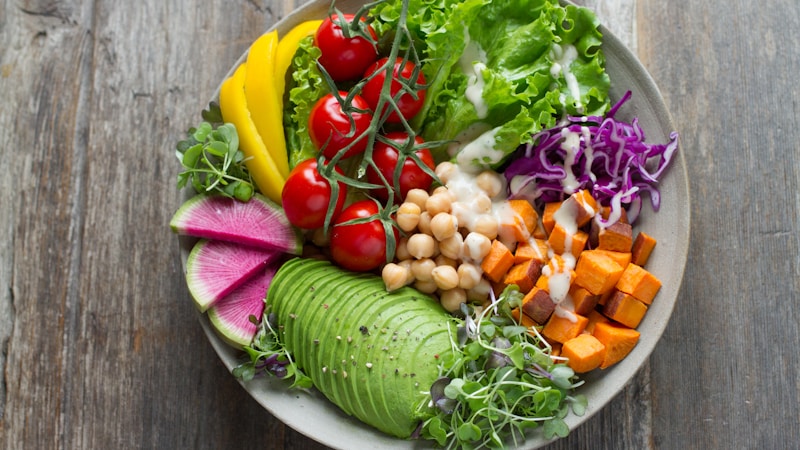
Excellent food sources for hair health include eggs, which provide biotin, protein, and selenium; leafy greens like spinach, which offer iron, folate, and vitamins A and C; fatty fish such as salmon, rich in omega-3 fatty acids, protein, and vitamin D; nuts and seeds, particularly pumpkin seeds and almonds, which provide zinc, vitamin E, and healthy fats.
Sweet potatoes are packed with beta-carotene, which converts to vitamin A, while berries provide vitamin C and antioxidants. Greek yogurt offers protein and probiotics, which may support nutrient absorption.
However, some women may benefit from targeted supplementation, especially those with dietary restrictions, digestive issues, or specific deficiencies. If you’re considering supplements, it’s wise to consult with a healthcare provider who can assess your individual needs and recommend appropriate dosages. They may suggest blood tests to identify any deficiencies before starting a supplementation routine.
Creating a Hair-Healthy Lifestyle
Supporting hair health goes beyond just taking vitamins – it requires a holistic approach to wellness. Stress management is crucial, as chronic stress can disrupt hair growth cycles and lead to conditions like telogen effluvium, where more hairs than normal enter the resting phase simultaneously.
Regular exercise improves circulation, which helps deliver nutrients to hair follicles. Aim for at least 30 minutes of moderate activity most days of the week. Activities like yoga can be particularly beneficial as they combine physical movement with stress reduction.
Adequate sleep is essential for cellular repair and regeneration, including in your hair follicles. Most adults need 7-9 hours of quality sleep per night. Creating a consistent sleep schedule and optimizing your sleep environment can support both hair health and overall wellness.
Staying hydrated is often overlooked but crucial for hair health. Water helps transport nutrients to hair follicles and keeps your scalp healthy. Aim for at least 8 glasses of water daily, more if you’re active or live in a dry climate.
Gentle hair care practices also support your efforts from within. Avoid excessive heat styling, harsh chemical treatments, and tight hairstyles that can cause mechanical damage. Use a wide-tooth comb on wet hair and consider protective hairstyles when sleeping.
Recommended Products
To support your wellness journey, consider these helpful products:
Final Thoughts
Achieving healthy, beautiful hair is a journey that starts from within. By understanding the essential vitamins and minerals your hair needs, incorporating nutrient-rich foods into your diet, and maintaining healthy lifestyle habits, you’re creating the optimal environment for hair growth and strength. Remember that hair health is deeply connected to overall wellness – when you nourish your body comprehensively, your hair often reflects that internal vitality. Be patient with the process, as hair grows slowly and changes may take several months to become visible. If you’re experiencing significant hair loss or changes, don’t hesitate to consult with a healthcare provider or dermatologist to rule out underlying conditions and develop a personalized approach to hair health.