
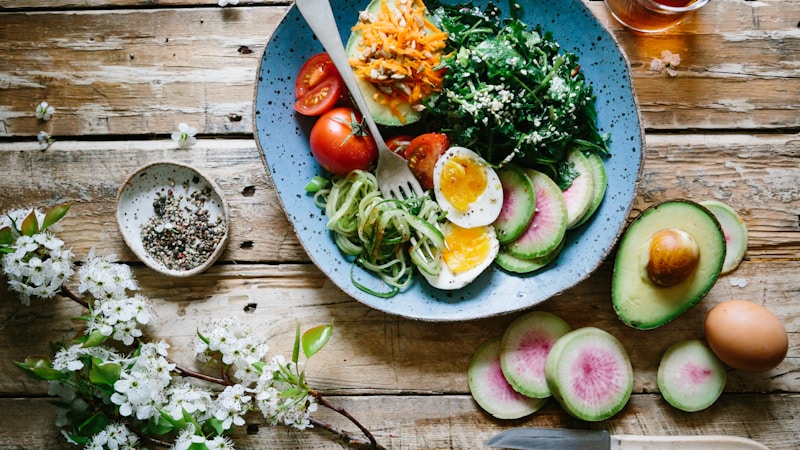
Creating a personalized nutrition plan for women isn’t just about counting calories—it’s about nourishing your body through every stage of life. Women have unique nutritional needs that change with age, activity level, and life circumstances. Whether you’re juggling a career, raising a family, or focusing on personal wellness goals, the right nutrition plan can boost your energy, support hormonal balance, and enhance overall well-being. This comprehensive guide will help you understand the fundamentals of women’s nutrition and provide practical strategies to create a sustainable eating plan that works for your lifestyle.
Understanding Women’s Unique Nutritional Needs
Women’s bodies have distinct nutritional requirements that differ significantly from men’s, particularly when it comes to certain vitamins and minerals. Iron stands out as a critical nutrient, as women of reproductive age need nearly twice as much iron as men due to monthly menstrual cycles. The recommended daily intake is 18mg for women aged 19-50, compared to just 8mg for men.
Calcium and vitamin D work together to support bone health, which is especially important for women who are at higher risk for osteoporosis later in life. Women should aim for 1,000-1,200mg of calcium daily, along with adequate vitamin D for proper absorption.
Folate (or folic acid) is another essential nutrient, particularly crucial for women of childbearing age. This B-vitamin helps prevent neural tube defects during pregnancy and supports overall cellular function. Even if pregnancy isn’t in your immediate plans, maintaining adequate folate levels is beneficial for long-term health.
Omega-3 fatty acids play a vital role in hormonal balance, brain function, and reducing inflammation. These healthy fats can help manage PMS symptoms and support cardiovascular health, which becomes increasingly important as estrogen levels fluctuate with age.
Building Your Foundation: Macronutrient Balance
A well-structured nutrition plan for women should include a balanced approach to macronutrients—proteins, carbohydrates, and fats. Rather than following restrictive diets, focus on creating a sustainable balance that supports your energy needs and health goals.
Protein should make up about 20-25% of your daily calories, with sources including lean meats, fish, eggs, legumes, nuts, and dairy products. Women need approximately 0.8-1.2 grams of protein per kilogram of body weight, with higher amounts needed for those who are very active or strength training. Protein helps maintain muscle mass, supports immune function, and keeps you feeling satisfied between meals.
Carbohydrates should comprise 45-55% of your daily intake, emphasizing complex carbs like whole grains, fruits, and vegetables. These provide sustained energy and important fiber for digestive health. Avoid the temptation to drastically cut carbs, as they’re essential for brain function and hormone production.
Healthy fats should account for 25-30% of your calories. Focus on monounsaturated and polyunsaturated fats from sources like avocados, olive oil, nuts, seeds, and fatty fish. These fats support hormone production, nutrient absorption, and cellular health.
Meal Planning Strategies That Actually Work
Successful meal planning starts with realistic goals and flexible strategies. Begin by assessing your schedule and identifying the biggest challenges in your current eating patterns. Are you skipping breakfast due to time constraints? Reaching for unhealthy snacks during afternoon energy dips? Ordering takeout too frequently due to dinner preparation fatigue?
The “prep once, eat multiple” approach can be a game-changer for busy women. Dedicate 1-2 hours on weekends to batch-cooking proteins, washing and chopping vegetables, and preparing grab-and-go snacks. Cook large portions of versatile ingredients like grilled chicken, roasted vegetables, and quinoa that can be mixed and matched throughout the week.
Create a flexible meal template rather than rigid meal plans. For example, ensure each meal includes a protein source, a complex carbohydrate, healthy fats, and plenty of vegetables. This framework allows for creativity and adaptation based on your schedule and cravings while maintaining nutritional balance.
Don’t forget about hydration in your nutrition plan. Women should aim for at least 8-10 glasses of water daily, more if you’re active or live in a hot climate. Proper hydration supports every bodily function and can help manage hunger cues, as thirst is often mistaken for hunger.
Navigating Nutrition Through Life Stages
A woman’s nutritional needs evolve throughout different life stages, and your nutrition plan should adapt accordingly. During the reproductive years, focus on maintaining adequate iron stores and ensuring sufficient folate intake. If you’re trying to conceive or are pregnant, work with a healthcare provider to adjust your nutrition plan and consider appropriate supplementation.
The perimenopausal and menopausal years bring unique challenges as hormonal changes can affect metabolism, bone density, and body composition. During this time, maintaining adequate protein intake becomes even more critical to preserve muscle mass. Calcium and vitamin D remain essential, while phytoestrogens from foods like soy, flaxseeds, and legumes may help manage hormonal fluctuations.
For women in their 60s and beyond, nutrient density becomes increasingly important as caloric needs may decrease but nutritional requirements remain high. Focus on anti-inflammatory foods like berries, leafy greens, fatty fish, and colorful vegetables to support healthy aging and cognitive function.
Throughout all life stages, listen to your body’s signals and adjust your nutrition plan accordingly. What works in your 20s may need modification in your 40s, and that’s perfectly normal and healthy.
Supplements and When to Consider Them
While a well-balanced nutrition plan should provide most of your nutritional needs, certain supplements can be beneficial for women, especially when dietary intake is insufficient or absorption is compromised. However, supplements should complement, not replace, a healthy diet.
A high-quality multivitamin designed for women can help fill nutritional gaps, particularly for busy lifestyles where perfect eating isn’t always possible. Look for one that includes adequate amounts of iron, folate, and B-vitamins.
Vitamin D supplementation is often necessary, especially for women living in northern climates or those with limited sun exposure. Many women are deficient in this crucial vitamin, which affects bone health, immune function, and mood regulation.
Omega-3 supplements can be valuable if you don’t regularly consume fatty fish. Look for supplements that provide both EPA and DHA, the most beneficial forms of omega-3 fatty acids.
Probiotics may support digestive health and immune function, particularly if you’ve taken antibiotics recently or experience digestive issues. Choose a high-quality probiotic with multiple strains and proper storage requirements.
Always consult with a healthcare provider before starting new supplements, especially if you’re taking medications or have health conditions. They can help determine which supplements are appropriate for your individual needs and ensure they won’t interact with other treatments.
Recommended Products
To support your wellness journey, consider these helpful products:
Final Thoughts
Creating an effective nutrition plan for women is about finding balance, not perfection. Focus on nourishing your body with nutrient-dense foods, staying adequately hydrated, and adapting your eating patterns to fit your lifestyle and life stage. Remember that small, consistent changes often lead to more sustainable results than drastic overhauls. Start by incorporating one or two new healthy habits each week, such as adding more vegetables to your meals or preparing healthy snacks in advance. Your nutrition plan should empower you to feel energized, confident, and healthy—not restricted or deprived. Listen to your body, be patient with yourself, and celebrate the positive changes you’re making for your long-term health and wellness.