
Beautiful, healthy hair is more than just a beauty statement—it’s often a reflection of our overall health and well-being. As women, we face unique challenges that can impact our hair health, from hormonal fluctuations during pregnancy and menopause to the stress of daily life and environmental factors. While genetics play a role in hair texture and growth patterns, the right nutrition and targeted vitamins can make a significant difference in supporting stronger, more vibrant hair. Understanding which nutrients your hair needs most can empower you to make informed choices about your wellness routine and help you achieve the healthy hair you desire.
Understanding the Science Behind Hair Health
Hair growth is a complex biological process that requires a steady supply of nutrients to function optimally. Each hair follicle is essentially a tiny factory that produces keratin, the protein that makes up our hair strands. This process demands significant energy and resources from our bodies, which is why nutritional deficiencies often show up first in our hair, skin, and nails.
The hair growth cycle consists of three phases: anagen (growth), catagen (transition), and telogen (resting). During the anagen phase, which can last 2-7 years, hair cells divide rapidly and require abundant nutrients. Factors like stress, hormonal changes, poor nutrition, and certain medications can disrupt this cycle, leading to hair thinning, excessive shedding, or slower growth.
Women are particularly susceptible to hair changes due to hormonal fluctuations throughout their lives. Estrogen helps keep hair in the growth phase longer, which is why many women notice fuller hair during pregnancy but experience shedding postpartum. Understanding these natural processes helps us appreciate why targeted nutritional support can be so beneficial for maintaining healthy hair throughout different life stages.
Essential Vitamins for Optimal Hair Health
Several key vitamins play crucial roles in supporting healthy hair growth and maintenance. Biotin, also known as vitamin B7, is perhaps the most well-known hair vitamin. It helps produce keratin and supports the metabolism of amino acids that are essential for hair structure. While true biotin deficiency is rare, supplementation may benefit those with thinning hair or brittle strands.
Vitamin D is another critical nutrient that’s often overlooked. Research suggests that vitamin D receptors in hair follicles play a role in hair cycling, and deficiency has been linked to various types of hair loss. Many women, especially those with limited sun exposure, may benefit from vitamin D supplementation.
The B-vitamin complex, including B6, B12, and folate, supports healthy circulation and helps deliver oxygen and nutrients to hair follicles. Iron is particularly important for women, as iron deficiency is one of the most common nutritional causes of hair loss in women of reproductive age. Vitamin C enhances iron absorption and also supports collagen production, which strengthens hair structure.
Zinc and selenium act as cofactors for enzymes involved in hair growth, while omega-3 fatty acids help maintain scalp health and add shine to hair. Vitamin E provides antioxidant protection against environmental damage that can weaken hair over time.
Natural Food Sources vs. Supplements
While supplements can be helpful, obtaining nutrients from whole foods provides the best foundation for hair health. Nutrient-dense foods offer vitamins in their most bioavailable forms, along with cofactors that enhance absorption and utilization.
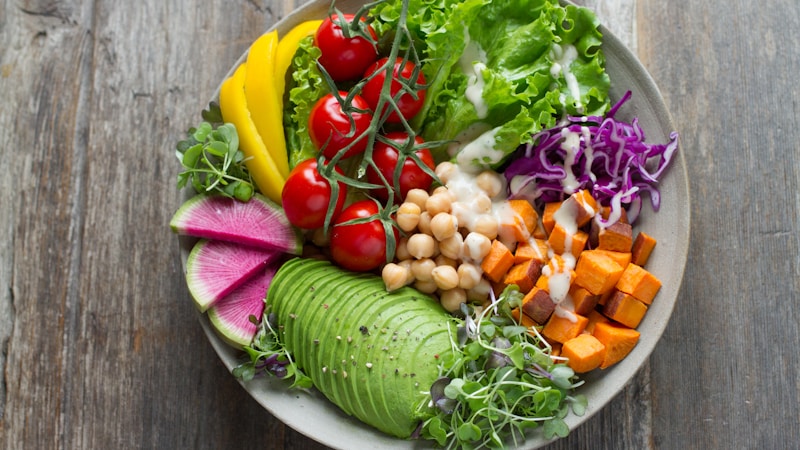
For biotin and B-vitamins, incorporate eggs, leafy greens, legumes, and whole grains into your diet. Fatty fish like salmon and sardines provide omega-3s, while nuts and seeds offer vitamin E and healthy fats. Iron-rich foods include lean meats, spinach, lentils, and quinoa. Pairing these with vitamin C-rich foods like citrus fruits, berries, or bell peppers enhances iron absorption.
Supplementation can be beneficial when dietary intake is insufficient or when specific needs are higher, such as during pregnancy, breastfeeding, or periods of stress. However, it’s important to remember that more isn’t always better. Some vitamins, particularly fat-soluble ones like vitamin A, can be harmful in excess and may actually contribute to hair loss.
Before starting any supplement regimen, consider having your nutrient levels tested, especially for iron, vitamin D, and B12. This helps identify specific deficiencies and prevents unnecessary supplementation. A healthcare provider can help you determine the most appropriate approach based on your individual needs, health status, and any medications you may be taking.
Lifestyle Factors That Support Hair Health
Nutrition is just one piece of the hair health puzzle. Lifestyle factors play an equally important role in supporting strong, healthy hair growth. Chronic stress is one of the most significant disruptors of the hair growth cycle, as it can push follicles into the resting phase prematurely, leading to increased shedding months later.
Implementing stress management techniques such as regular exercise, meditation, adequate sleep, and engaging in enjoyable activities can have profound effects on hair health. Aim for 7-9 hours of quality sleep nightly, as this is when your body repairs and regenerates, including hair follicles.
Gentle hair care practices are essential for maintaining the hair you’re growing. Avoid excessive heat styling, tight hairstyles that pull on the hair, and harsh chemical treatments. When brushing, start from the ends and work your way up to prevent breakage. Use a wide-tooth comb on wet hair, as hair is most vulnerable when saturated with water.
Scalp health is foundational to hair growth. Regular scalp massage can improve circulation, while keeping the scalp clean and free from product buildup creates an optimal environment for hair growth. Be mindful of hair products that may contain harsh sulfates or other irritating ingredients that can compromise scalp health.
When to Seek Professional Guidance
While nutritional support and lifestyle changes can significantly improve hair health for many women, it’s important to recognize when professional guidance may be needed. Sudden or dramatic hair loss, patchy hair loss, or hair that doesn’t respond to good nutrition and care may indicate underlying medical conditions that require attention.
Hormonal imbalances, thyroid disorders, autoimmune conditions, and certain medications can all affect hair growth. If you’re experiencing significant hair changes, especially if accompanied by other symptoms like fatigue, weight changes, or skin issues, consult with a healthcare provider.
A registered dietitian can help assess your nutritional status and develop a personalized plan that addresses any deficiencies while supporting overall health. They can also help you navigate the often confusing world of supplements and determine which ones, if any, might be beneficial for your specific situation.
Dermatologists specializing in hair disorders can evaluate hair loss patterns and recommend appropriate treatments. Sometimes, a combination of nutritional support, topical treatments, and lifestyle modifications provides the best outcomes for hair health concerns.
Recommended Products
To support your wellness journey, consider these helpful products:
Final Thoughts
Achieving healthy, beautiful hair is a journey that involves nurturing your body from the inside out. While hair health vitamins can play a supportive role, they work best as part of a comprehensive approach that includes a balanced diet, stress management, gentle hair care practices, and overall wellness. Remember that hair growth is a slow process, and it may take several months to see the full benefits of improved nutrition and lifestyle changes. Be patient with yourself and focus on creating sustainable habits that support not just your hair, but your overall health and well-being. Your hair is a reflection of your inner health, so when you take care of your whole self, your hair will often respond beautifully.