
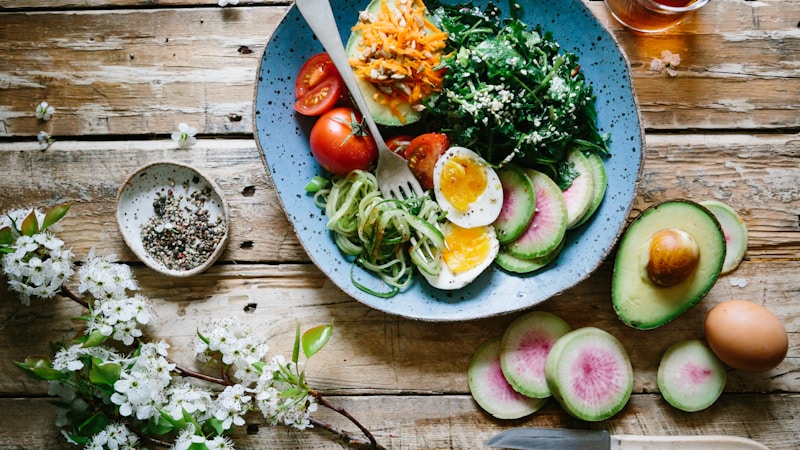
Navigating student life while maintaining healthy eating habits can feel like an impossible juggling act. Between classes, assignments, part-time jobs, and social activities, many female students find themselves reaching for convenient but less nutritious options. However, developing sustainable healthy eating habits during your student years isn’t just about maintaining energy levels – it’s about establishing a foundation for lifelong wellness. This guide specifically addresses the unique nutritional needs and challenges that women face during their academic journey, offering practical, budget-friendly solutions that fit into even the busiest schedules.
Understanding Women’s Unique Nutritional Needs as Students
Female students have specific nutritional requirements that differ from their male counterparts, particularly during the reproductive years. Iron deficiency is notably common among women aged 18-30, making it crucial to include iron-rich foods in daily meals. Dark leafy greens, lean meats, legumes, and fortified cereals can help maintain healthy iron levels.
Calcium and vitamin D are equally important for bone health, especially since peak bone mass is typically achieved by age 30. Dairy products, fortified plant-based alternatives, and small fish with bones like sardines are excellent sources. Folate is another essential nutrient, particularly important for women of childbearing age. Leafy greens, citrus fruits, and fortified grains provide adequate folate intake.
The stress of academic life can also impact hormonal balance and metabolism. Omega-3 fatty acids from sources like walnuts, flaxseeds, and fatty fish can support brain function and help manage stress-related inflammation. Additionally, maintaining stable blood sugar levels through balanced meals helps sustain energy and focus throughout long study sessions.
Budget-Friendly Meal Planning Strategies
Creating healthy eating habits as a student doesn’t have to break the bank. Strategic meal planning is your best defense against both unhealthy choices and overspending. Start by planning your meals around sales and seasonal produce. Buying fruits and vegetables in season not only saves money but often provides better nutritional value.
Batch cooking is a game-changer for busy students. Dedicate a few hours on weekends to prepare large quantities of versatile base ingredients like brown rice, quinoa, roasted vegetables, and protein sources. These can be mixed and matched throughout the week to create different meals without the daily cooking commitment.
Frozen fruits and vegetables are often more affordable than fresh options and retain most of their nutritional value. They’re perfect for smoothies, stir-fries, and adding to pasta dishes. Canned beans and lentils are protein powerhouses that cost significantly less than meat while providing fiber and essential minerals.
Consider joining a local food co-op or shopping at ethnic markets, which often offer fresh produce at lower prices. Buying generic or store brands for staples like whole grains, nuts, and seeds can result in substantial savings without compromising quality.
Quick and Nutritious Meal Ideas for Busy Schedules
When time is limited, having a repertoire of quick, healthy meals is essential. Overnight oats topped with berries and nuts provide a grab-and-go breakfast rich in fiber and protein. Prepare several jars at once for the entire week, customizing each with different fruits and spices.
For lunch, mason jar salads are revolutionary for meal prep. Layer dressing at the bottom, followed by sturdy vegetables like carrots and bell peppers, then grains or legumes, and finally delicate greens at the top. When ready to eat, simply shake and enjoy a fresh, crisp salad.
Dinner doesn’t have to be complicated. A simple stir-fry using frozen vegetables, pre-cooked brown rice, and a protein source can be ready in under 15 minutes. Keep versatile sauces on hand like tahini, pesto, or low-sodium soy sauce to vary flavors throughout the week.
Smoothies are excellent for incorporating multiple nutrients quickly. Blend frozen fruits with spinach or kale, add a protein source like Greek yogurt or protein powder, and include healthy fats from avocado or nut butter. Pour into a travel cup and consume on your way to class.
Bento-style boxes work well for students who prefer grazing throughout the day. Include a variety of textures and colors: hummus with vegetables, whole grain crackers, cheese, nuts, and fresh fruit create a balanced, satisfying meal.
Smart Snacking for Sustained Energy
Strategic snacking can be the difference between maintaining steady energy levels and experiencing the dreaded afternoon crash. The key is combining protein, healthy fats, and complex carbohydrates to create satisfaction and sustained energy release.
Nut butter paired with apple slices or whole grain crackers provides protein and healthy fats that help stabilize blood sugar. Greek yogurt with berries offers probiotics for digestive health along with protein and natural sugars for quick energy.
Homemade energy balls made from dates, nuts, and seeds can be prepared in bulk and stored for easy access. They satisfy sweet cravings while providing nutrients and fiber. Trail mix is another portable option, but be mindful of portion sizes as nuts are calorie-dense.
Hard-boiled eggs prepared ahead of time are protein-rich snacks that travel well. Pair them with cherry tomatoes or cucumber slices for added vitamins and hydration. Hummus with vegetable sticks provides fiber, protein, and satisfying crunch.
Avoid keeping highly processed snacks readily available in your living space. Instead, prepare healthy options in advance and store them in visible, accessible locations. When hunger strikes between meals, you’ll naturally reach for these nutritious choices.
Building Long-term Healthy Habits
Developing sustainable healthy eating habits requires shifting from an all-or-nothing mindset to one of progress and flexibility. Start small by incorporating one or two new healthy practices each week rather than overhauling your entire diet overnight.
Mindful eating practices can significantly impact your relationship with food. Take time to eat without distractions when possible, chew slowly, and pay attention to hunger and fullness cues. This practice helps prevent overeating and increases meal satisfaction.
Stay hydrated throughout the day by keeping a water bottle nearby. Sometimes fatigue and difficulty concentrating are signs of dehydration rather than hunger. Herbal teas can provide variety and additional antioxidants while contributing to daily fluid intake.
Connect with other health-conscious students to create a supportive community. Share recipes, cook together, or start a healthy eating challenge group. Having accountability partners makes maintaining healthy habits more enjoyable and sustainable.
Remember that perfectionism is the enemy of progress. There will be days when you rely on convenient options or indulge in less nutritious foods, and that’s completely normal. Focus on making the next meal a healthy choice rather than dwelling on past decisions.
Finally, listen to your body and adjust your eating patterns based on your individual needs, preferences, and schedule. What works for one person may not work for another, and your needs may change as you progress through different phases of student life.
Recommended Products
To support your wellness journey, consider these helpful products:
Final Thoughts
Establishing healthy eating habits as a female student is an investment in both your academic success and long-term well-being. By understanding your unique nutritional needs, planning meals strategically, and focusing on sustainable practices rather than perfection, you can nourish your body and mind throughout your educational journey. Remember that small, consistent changes often yield the most lasting results. Start with one or two strategies that resonate with you, and gradually build upon your success. Your future self will thank you for the healthy foundation you’re creating today.