
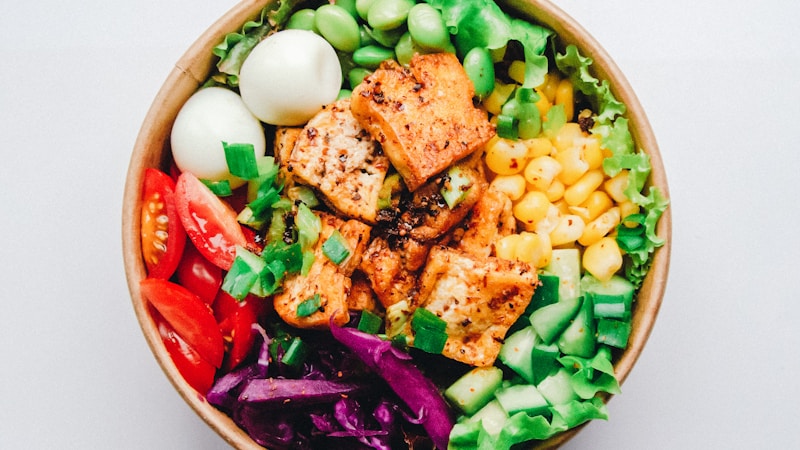
Juggling classes, assignments, work, and social life as a female student can feel overwhelming, often leaving healthy eating as the last priority. However, developing sustainable eating habits during your college years isn’t just about maintaining energy—it’s about building a foundation for lifelong wellness. The good news? Eating well as a student doesn’t require a chef’s skills or a hefty budget. With smart planning, basic nutrition knowledge, and a few key strategies, you can nourish your body and mind while navigating the exciting challenges of student life. Let’s explore practical, achievable ways to make healthy eating work for your unique lifestyle.
Understanding Your Nutritional Needs as a Female Student
Female students have unique nutritional requirements that change throughout different life stages. During your college years, your body is still developing, and the demands of academic stress, irregular schedules, and increased independence can significantly impact your nutritional needs.
Iron is particularly crucial for women due to menstruation, with needs ranging from 15-18mg daily for most college-aged women. Focus on iron-rich foods like lean meats, beans, spinach, and fortified cereals. Pairing these with vitamin C sources like citrus fruits or bell peppers enhances absorption.
Calcium and vitamin D are essential for bone health, especially important during your twenties when peak bone mass is still being built. Aim for 1,000mg of calcium daily through dairy products, leafy greens, or fortified plant-based alternatives.
Don’t overlook folate, which supports cell division and DNA synthesis. Include plenty of leafy greens, legumes, and fortified grains in your diet. B-vitamins are crucial for energy metabolism—something every busy student needs. Whole grains, eggs, and nutritional yeast are excellent sources.
Remember, these needs can vary based on activity level, health conditions, and individual circumstances. The key is creating a balanced approach that fits your lifestyle while meeting these fundamental nutritional requirements.
Budget-Friendly Meal Planning Strategies
Eating healthy on a student budget is absolutely achievable with strategic planning and smart shopping techniques. The secret lies in maximizing nutritional value per dollar spent while minimizing food waste.
Start with weekly meal planning. Dedicate 30 minutes each week to plan your meals around sales and seasonal produce. Create a shopping list organized by store sections to avoid impulse purchases. Stick to your list, but remain flexible enough to substitute similar items if prices vary.
Buy versatile, nutrient-dense staples in bulk: oats, brown rice, quinoa, dried beans, lentils, frozen vegetables, and canned tomatoes. These ingredients form the foundation of countless healthy meals. Frozen fruits and vegetables are often more affordable than fresh and retain most of their nutritional value.
Consider batch cooking as your best friend. Prepare large portions of grains, proteins, and roasted vegetables on weekends. These components can be mixed and matched throughout the week for quick, varied meals. Soups, stews, and casseroles freeze beautifully and provide multiple servings.
Don’t underestimate the power of eggs—they’re an incredibly affordable, complete protein that can be prepared dozens of ways. Canned fish like tuna and salmon offer omega-3 fatty acids at a fraction of fresh fish costs.
Explore ethnic markets and discount grocery stores, which often offer fresh produce and pantry staples at lower prices. Generic brands typically provide the same nutritional value as name brands at significant savings.
Quick and Nutritious Dorm-Friendly Meals
Limited kitchen facilities don’t have to limit your nutrition. With creativity and the right approach, you can prepare satisfying, healthy meals using basic dorm equipment like a microwave, mini-fridge, and possibly a hot plate or electric kettle.
Breakfast sets the tone for your entire day. Overnight oats are perfect for busy mornings—combine rolled oats with milk or yogurt, add fruits, nuts, and seeds, then refrigerate overnight. For protein-packed options, try microwaved egg scrambles with pre-chopped vegetables stored in containers.
Lunch and dinner can center around grain bowls—your canvas for creativity. Start with a base like brown rice, quinoa, or whole grain pasta (all can be prepared in a microwave with proper containers). Add protein through canned beans, hard-boiled eggs, or rotisserie chicken. Layer on frozen vegetables (easily steamed in the microwave) and fresh elements like avocado or cherry tomatoes.
Soups are incredibly dorm-friendly and nutritious. Combine canned beans, pre-cooked grains, frozen vegetables, and broth in a microwave-safe bowl. Season with herbs and spices for variety. Add leafy greens during the last minute of heating for extra nutrition.
Healthy snacking prevents energy crashes between meals. Keep nuts, seeds, fresh fruit, yogurt, and whole grain crackers readily available. Hummus with vegetables provides protein and fiber, while cheese and whole grain crackers offer sustained energy.
Invest in proper food storage containers to keep ingredients fresh longer and prevent waste. Glass containers work well for both storage and microwave cooking.
Managing Stress Eating and Emotional Food Relationships
College brings unique stressors that can significantly impact eating patterns. Recognizing and addressing emotional eating is crucial for developing a healthy relationship with food that extends far beyond your student years.
Stress eating often manifests as craving high-sugar, high-fat foods during exam periods or emotional challenges. While occasional comfort eating is completely normal, chronic stress eating can impact both physical and mental well-being. The first step is awareness—notice when you’re eating due to emotions rather than physical hunger.
Develop alternative coping strategies for stress. Physical activity, even a short walk, can shift your mental state and reduce cortisol levels. Deep breathing exercises, journaling, or calling a friend can address emotional needs that food cannot truly satisfy.
When you do eat during stressful times, practice mindful eating. Remove distractions like phones or textbooks, eat slowly, and pay attention to flavors and textures. This practice helps you recognize fullness cues and can prevent overeating.
Keep nutritious options easily accessible for stressful moments. Pre-portioned nuts, cut vegetables with hummus, or fruit provide satisfaction without the blood sugar spikes that can worsen mood and energy levels.
Consider the timing of your meals in relation to stress. Skipping meals during busy periods often leads to overeating later. Even during intense study sessions, maintaining regular eating patterns helps stabilize mood and concentration.
Remember that perfectionism around eating can create additional stress. Aim for progress, not perfection. One less-than-ideal meal doesn’t derail your overall health journey.
Building Sustainable Habits for Long-term Wellness
The eating habits you develop during your student years often carry into adulthood, making this an ideal time to establish sustainable, health-promoting patterns that will serve you throughout life.
Start small and build gradually. Rather than overhauling your entire diet overnight, focus on one or two changes per week. This might mean adding a serving of vegetables to one meal daily or replacing sugary drinks with water during lunch. Small, consistent changes are more sustainable than dramatic restrictions.
Develop cooking skills progressively. Begin with simple techniques like roasting vegetables, cooking grains, or preparing basic proteins. Each semester, challenge yourself to learn a few new recipes or cooking methods. These skills become invaluable as you transition to post-graduation life.
Create positive food associations by involving social elements. Cook meals with roommates or friends, explore new restaurants that offer healthy options, or start a small herb garden if space permits. Making healthy eating enjoyable and social increases the likelihood of maintaining these habits.
Practice flexibility within structure. Having go-to healthy meals and snacks provides stability, but remaining adaptable prevents the all-or-nothing mentality that often derails wellness efforts. Life will present unexpected challenges—learn to navigate them without abandoning your health goals entirely.
Focus on how food makes you feel rather than just how you look. Notice the energy levels, mood stability, and mental clarity that come from nourishing your body well. These internal cues are more sustainable motivators than external appearance goals.
Consider your future self when making daily food choices. The habits you build now impact your energy levels, health outcomes, and relationship with food for decades to come. You’re investing in your future wellness, career success, and overall quality of life.
Recommended Products
To support your wellness journey, consider these helpful products:
Final Thoughts
Developing healthy eating habits as a female student is an investment in your immediate academic success and long-term well-being. Remember that perfection isn’t the goal—consistency and self-compassion are. Start with small, manageable changes that fit your lifestyle, budget, and preferences. Focus on nourishing your body with nutrient-dense foods while maintaining the flexibility to enjoy social eating experiences. The habits you build now will become the foundation for a lifetime of wellness, supporting you through career challenges, life transitions, and personal growth. Your future self will thank you for the healthy patterns you establish today.