
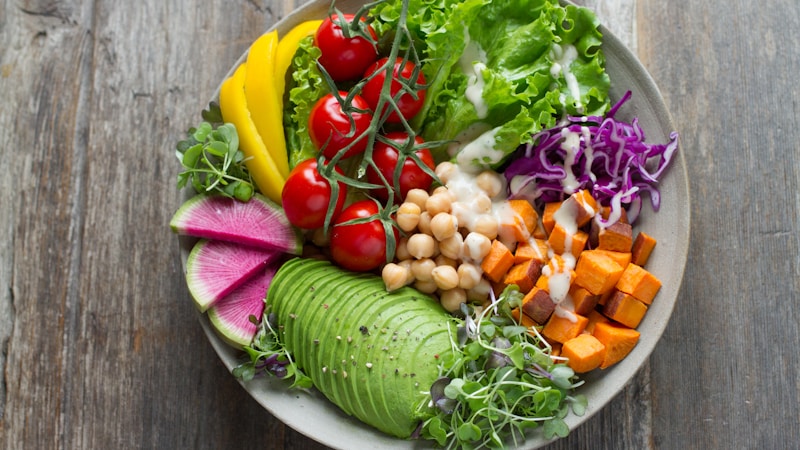
As women, we juggle countless responsibilities – from career demands to family care, often putting our own health on the back burner. But here’s the empowering truth: we can significantly support our immune system through the foods we choose to nourish our bodies. Your immune system works tirelessly to protect you, and certain foods can provide the essential nutrients it needs to function at its best. In this guide, we’ll explore science-backed immune system booster foods that are not only delicious but also easily incorporated into your daily routine. Whether you’re a busy professional, a dedicated mom, or simply someone who wants to prioritize her health, these nutritional powerhouses can help you feel more energized and resilient.
The Foundation: Understanding Your Immune System
Your immune system is like a sophisticated security network, constantly working to identify and neutralize potential threats to your health. For women, maintaining a strong immune system is particularly important as we face unique challenges throughout different life stages – from hormonal fluctuations during menstruation to the increased nutritional demands of pregnancy and the changes that come with menopause.
The good news is that nutrition plays a crucial role in supporting immune function. Certain vitamins, minerals, and compounds found in whole foods can help optimize your body’s natural defense mechanisms. Key nutrients that support immunity include vitamin C, vitamin D, zinc, selenium, and antioxidants like beta-carotene and flavonoids.
Research shows that a well-balanced diet rich in fruits, vegetables, lean proteins, and healthy fats provides the building blocks your immune system needs. Rather than relying on quick fixes or expensive supplements alone, focusing on nutrient-dense whole foods offers a sustainable approach to supporting your health. This doesn’t mean perfection is required – it’s about making consistent, mindful choices that nourish your body and support your overall wellness journey.
Vitamin C Powerhouses: Your Daily Immunity Allies
Vitamin C is perhaps the most well-known immune-supporting nutrient, and for good reason. This powerful antioxidant helps stimulate the production and function of white blood cells, which are your body’s primary defense against infections. Women need about 75mg of vitamin C daily, and incorporating vitamin C-rich foods into your meals is both delicious and straightforward.
Citrus fruits like oranges, grapefruits, and lemons are classic choices, but don’t overlook other excellent sources. Red bell peppers actually contain more vitamin C per serving than most citrus fruits, making them perfect for stir-fries, salads, or as crunchy snacks with hummus. Strawberries, kiwi fruit, and papaya are sweet options that can satisfy your dessert cravings while boosting your immunity.
For those who prefer vegetables, broccoli, Brussels sprouts, and cauliflower are cruciferous vegetables that provide vitamin C along with other immune-supporting compounds. Try roasting these vegetables with a drizzle of olive oil and your favorite herbs for a tasty side dish. Leafy greens like spinach and kale also contribute to your vitamin C intake while providing iron and folate – nutrients that are especially important for women of childbearing age.
Zinc and Selenium: Essential Minerals for Immune Function
While vitamins often get the spotlight, minerals like zinc and selenium play equally important roles in maintaining a healthy immune system. Zinc is involved in the development and function of immune cells, and even mild deficiencies can impair immune response. Women need about 8mg of zinc daily, and fortunately, many delicious foods can help you meet this requirement.
Seeds and nuts are excellent sources of zinc that are perfect for snacking or adding to meals. Pumpkin seeds, cashews, and almonds can be sprinkled on salads, mixed into yogurt, or enjoyed on their own. Legumes like chickpeas, lentils, and black beans provide zinc along with plant-based protein and fiber, making them ideal for hearty soups, salads, and grain bowls.
Selenium, though needed in smaller amounts, is crucial for immune function and acts as a powerful antioxidant. Brazil nuts are one of the richest sources of selenium – just one or two nuts can provide your daily needs. Other good sources include sunflower seeds, tuna, and eggs. Incorporating a variety of these foods ensures you’re getting adequate amounts of these essential minerals.
For women following plant-based diets, it’s worth noting that zinc from plant sources may be less readily absorbed than from animal sources. Soaking beans and grains, and combining zinc-rich foods with vitamin C sources can help improve absorption.
Antioxidant-Rich Foods: Your Colorful Defense System
Think of antioxidants as your body’s cleanup crew, neutralizing harmful free radicals that can damage cells and weaken immune function. The easiest way to ensure you’re getting a variety of antioxidants is to eat a rainbow of colorful fruits and vegetables. Each color typically represents different beneficial compounds that work together to support your health.
Berries deserve special mention as antioxidant superstars. Blueberries, blackberries, raspberries, and strawberries are packed with anthocyanins and vitamin C. They’re perfect for breakfast bowls, smoothies, or as a naturally sweet snack. Frozen berries are just as nutritious as fresh ones and often more budget-friendly, making it easy to keep them on hand year-round.
Deep orange and red foods like sweet potatoes, carrots, tomatoes, and red peppers provide beta-carotene, which your body converts to vitamin A – essential for maintaining the integrity of mucous membranes that serve as your first line of defense against pathogens. Dark leafy greens like spinach, kale, and Swiss chard offer a different spectrum of antioxidants along with important nutrients like folate and iron.
Don’t forget about herbs and spices, which are concentrated sources of antioxidants. Turmeric, with its active compound curcumin, has been studied for its anti-inflammatory properties. Garlic contains compounds that may support immune function, while ginger can be soothing and may help reduce inflammation. Adding these flavorful ingredients to your cooking not only enhances taste but also boosts the nutritional value of your meals.
Protein and Healthy Fats: Building Blocks for Immunity
Protein is essential for producing antibodies and immune cells, making adequate intake crucial for immune function. Women’s protein needs vary based on age, activity level, and life stage, but generally range from 0.8 to 1.2 grams per kilogram of body weight daily. The key is choosing high-quality protein sources that provide all essential amino acids.
Fish, particularly fatty fish like salmon, sardines, and mackerel, offer complete protein along with omega-3 fatty acids that help reduce inflammation and support immune function. If you’re not a fish lover, consider other lean proteins like poultry, eggs, or plant-based options like quinoa, hemp seeds, and combinations of legumes with whole grains.
Healthy fats, particularly omega-3 fatty acids, play important roles in immune function by helping to resolve inflammation and supporting the structure of immune cell membranes. Besides fatty fish, you can get omega-3s from walnuts, flaxseeds, chia seeds, and algae-based supplements for those following plant-based diets.
Avocados provide monounsaturated fats along with vitamin E, another important antioxidant for immune health. They’re incredibly versatile – perfect for toast, salads, smoothies, or simply enjoyed with a sprinkle of sea salt. Olive oil, especially extra virgin olive oil, contains beneficial compounds that may help reduce inflammation when used as part of a balanced diet.
Remember that balance is key. While these foods can support immune function, they work best as part of an overall healthy eating pattern that includes adequate hydration, regular physical activity, and sufficient sleep.
Recommended Products
To support your wellness journey, consider these helpful products:
Final Thoughts
Supporting your immune system through nutrition is one of the most empowering steps you can take for your health. By incorporating these immune system booster foods into your daily routine, you’re providing your body with the essential nutrients it needs to function optimally. Remember, small, consistent changes often lead to the most sustainable results. Start by adding one or two new immune-supporting foods to your weekly grocery list, and gradually build from there. Your immune system – and your overall health – will thank you for the nourishing choices you make today. Focus on progress, not perfection, and celebrate each step you take toward better health and wellness.