
As women, we juggle countless responsibilities while often putting our health on the back burner. But here’s the thing – supporting your immune system doesn’t have to be complicated or time-consuming. The right combination of immune system booster vitamins can be a game-changer for your overall wellness journey. Whether you’re dealing with stress, hormonal changes, or simply want to feel your best every day, understanding which nutrients support your body’s natural defenses is empowering. Let’s explore the essential vitamins that can help you build a stronger, more resilient immune system while honoring your body’s unique needs.
Understanding Your Immune System as a Woman
Your immune system is incredibly sophisticated, and as a woman, it faces unique challenges throughout your life. Hormonal fluctuations during menstruation, pregnancy, menopause, and even daily stress can impact how well your immune system functions. Estrogen and progesterone levels directly influence immune cell activity, which is why you might notice you’re more susceptible to colds at certain times of the month.
Additionally, women are statistically more likely to develop autoimmune conditions, where the immune system mistakenly attacks healthy tissue. This doesn’t mean your immune system is weak – it’s actually quite active! However, it does mean that supporting it with the right nutrients becomes even more important.
Stress is another significant factor. Between work, family, and personal responsibilities, chronic stress can suppress immune function. When cortisol levels remain elevated, your body’s ability to fight off infections decreases. This is where targeted nutrition and immune system booster vitamins can provide valuable support, helping to fill nutritional gaps and strengthen your body’s natural defenses.
Essential Vitamins for Immune Support
Vitamin C tops the list of immune system booster vitamins, and for good reason. This powerful antioxidant supports the production and function of white blood cells, your body’s primary defense against infections. Women need about 75mg daily, but during times of stress or illness, your needs may increase. Citrus fruits, berries, bell peppers, and leafy greens are excellent food sources, but a quality supplement can help ensure consistent intake.
Vitamin D deserves special attention, especially for women. Often called the ‘sunshine vitamin,’ it acts more like a hormone in your body and plays a crucial role in immune regulation. Many women are deficient in vitamin D, particularly those living in northern climates or spending most of their time indoors. Research suggests that adequate vitamin D levels may help reduce the risk of respiratory infections and support overall immune balance.
The B-complex vitamins, including B6, B12, and folate, are vital for immune cell production and function. These vitamins are particularly important for women who follow plant-based diets, as B12 is primarily found in animal products. B6 supports antibody production, while B12 and folate are essential for creating new immune cells.
Vitamin A supports the integrity of your skin and mucous membranes – your body’s first line of defense against pathogens. It also helps regulate immune responses, ensuring your system responds appropriately to threats without overreacting.
Key Minerals That Boost Immunity
While vitamins often get the spotlight, certain minerals are equally important immune system boosters. Zinc is perhaps the most crucial mineral for immune function, supporting wound healing, immune cell development, and inflammatory response. Women need about 8mg daily, and deficiency can significantly impact immune function. Oysters, pumpkin seeds, and legumes are good sources, but many women benefit from supplementation.
Iron deficiency is common among women, particularly those who menstruate heavily. Iron is essential for immune cell proliferation and function. However, it’s important to have your iron levels tested before supplementing, as too much iron can actually suppress immune function. If you’re iron deficient, addressing this with your healthcare provider should be a priority.
Selenium acts as a powerful antioxidant and supports immune cell function. Brazil nuts are an exceptional source – just one or two nuts daily can meet your selenium needs. This mineral is particularly important for thyroid health, which is closely linked to immune function.
Magnesium, often called the ‘relaxation mineral,’ supports immune function indirectly by helping manage stress and promoting quality sleep. Since chronic stress and poor sleep both suppress immunity, ensuring adequate magnesium intake can provide significant benefits. Many women don’t get enough magnesium from food alone, making supplementation worth considering.
Natural Food Sources vs. Supplements
The age-old question: should you get your immune system booster vitamins from food or supplements? The ideal approach combines both. Whole foods provide vitamins and minerals in forms your body easily recognizes and uses, plus they come with additional beneficial compounds like fiber, antioxidants, and phytonutrients that work synergistically.
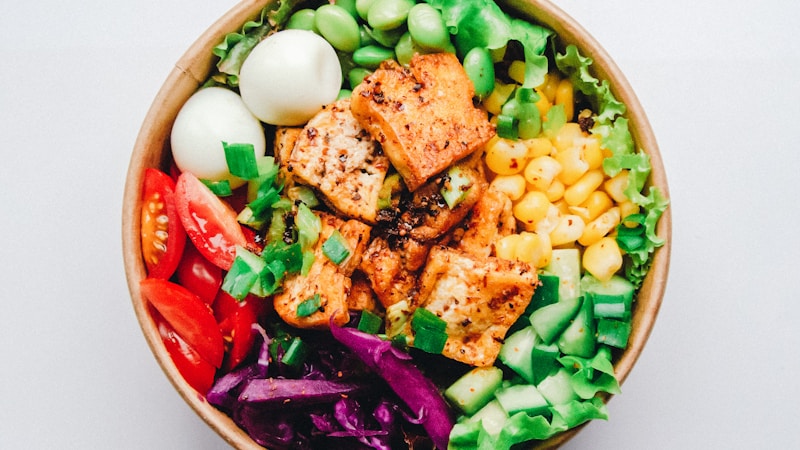
Focus on building a colorful, varied diet rich in fruits, vegetables, lean proteins, and whole grains. Think rainbow eating – different colored foods provide different nutrients. Orange foods like sweet potatoes and carrots are rich in vitamin A, while dark leafy greens provide folate and vitamin C. Fatty fish offers vitamin D and omega-3 fatty acids that support immune function.
However, supplements can be valuable when dietary intake isn’t sufficient or when you have increased needs. Factors like soil depletion, food processing, and individual absorption differences mean that even a perfect diet might not provide optimal levels of all nutrients. A high-quality multivitamin designed for women can serve as nutritional insurance, filling potential gaps in your diet.
When choosing supplements, look for third-party tested products from reputable companies. Avoid mega-doses unless specifically recommended by your healthcare provider, as more isn’t always better and can sometimes be harmful. Quality matters more than quantity when it comes to immune system support.
Lifestyle Factors That Enhance Vitamin Absorption
Taking immune system booster vitamins is just one piece of the puzzle – how well your body absorbs and uses them matters just as much. Several lifestyle factors can significantly impact vitamin absorption and effectiveness.
Timing matters for certain vitamins. Fat-soluble vitamins (A, D, E, and K) are best absorbed when taken with a meal containing healthy fats. Water-soluble vitamins like C and B-complex can be taken on an empty stomach but may cause nausea in some women, so taking them with food is often more comfortable.
Your gut health directly impacts nutrient absorption. A healthy microbiome supports vitamin synthesis and absorption, while an imbalanced gut can reduce your body’s ability to extract nutrients from both food and supplements. Including fermented foods like yogurt, kefir, or sauerkraut in your diet can support beneficial gut bacteria.
Stress management isn’t just good for your mental health – it’s crucial for immune function and nutrient absorption. Chronic stress can reduce stomach acid production and impair digestion, making it harder for your body to break down and absorb vitamins. Regular exercise, adequate sleep, and stress-reduction techniques like meditation or yoga can significantly enhance your body’s ability to utilize immune-supporting nutrients.
Hydration also plays a role in nutrient transport and cellular function. Aim for adequate water intake throughout the day to support optimal vitamin utilization and overall immune function.
Recommended Products
To support your wellness journey, consider these helpful products:
Final Thoughts
Supporting your immune system with the right vitamins and minerals is an act of self-care that pays dividends for your overall health and well-being. Remember, there’s no one-size-fits-all approach – your needs may vary based on your age, lifestyle, diet, and health status. The key is to start with a foundation of nutrient-rich foods and consider high-quality supplements to fill any gaps. Most importantly, listen to your body and work with healthcare providers who understand women’s unique nutritional needs. By taking a proactive approach to immune support, you’re investing in your long-term health and empowering yourself to feel strong, vibrant, and resilient every day.