
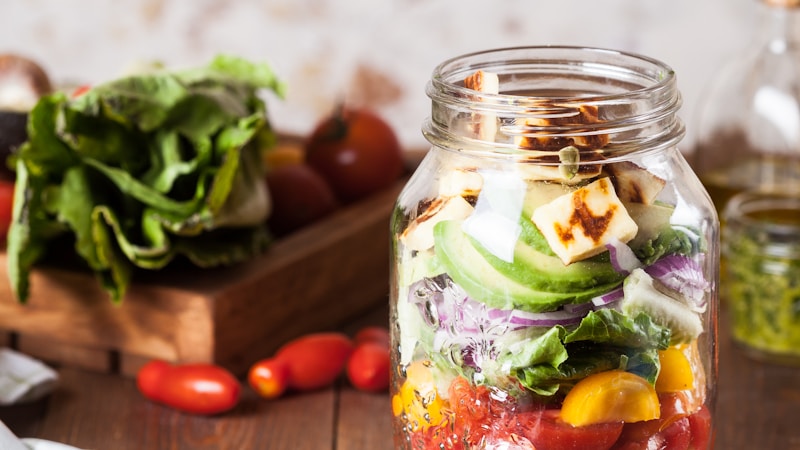
Women’s health and wellness journey is deeply personal, and incorporating cultural wisdom can make it more meaningful and sustainable. Tamil culture offers a treasure trove of traditional knowledge about maintaining healthy weight through natural methods, mindful eating, and holistic wellness practices. This guide explores time-tested weight loss approaches that honor Tamil traditions while embracing modern health science. Whether you’re looking to maintain your current weight or embark on a wellness transformation, these culturally-informed tips can help you create a balanced, healthy lifestyle that feels authentic to your roots while supporting your overall well-being.
Traditional Tamil Foods That Support Healthy Weight
Tamil cuisine naturally incorporates many ingredients that can support healthy weight management when prepared mindfully. Turmeric, a staple in Tamil cooking, contains curcumin which may help reduce inflammation and support metabolism. Including plenty of curry leaves in your cooking not only adds authentic flavor but also provides nutrients that may aid digestion.
Millet-based dishes, traditionally consumed in Tamil households, are excellent alternatives to refined grains. Ragi (finger millet), kambu (pearl millet), and thinai (foxtail millet) are nutrient-dense options that provide sustained energy and fiber. These ancient grains help you feel satisfied longer while providing essential nutrients.
Incorporate more sambar and rasam in your meals, as these lentil-based dishes provide protein and fiber while being naturally low in calories when prepared with minimal oil. The combination of dal, vegetables, and spices creates satisfying meals that nourish your body. Traditional preparations like kootu and poriyal, when made with seasonal vegetables and minimal oil, offer excellent nutrition while supporting weight management goals.
Fresh coconut, despite being calorie-dense, contains medium-chain triglycerides that may support metabolism when used in moderation. The key is portion control and using fresh coconut rather than processed coconut products.
Mindful Eating Practices from Tamil Culture
Tamil culture emphasizes the importance of mindful eating, which aligns perfectly with healthy weight management. The traditional practice of eating with your hands connects you more deeply with your food and can help with portion control and digestion awareness.
Following the concept of ‘अन्नम् ब्रह्म’ (food is sacred), approach meals with gratitude and attention. Eat slowly, chew thoroughly, and pay attention to your body’s hunger and satiety signals. This mindful approach naturally prevents overeating and improves digestion.
Traditional meal timing in Tamil culture typically includes an early, light dinner, which supports better digestion and sleep. Try to finish your last meal at least 3 hours before bedtime to allow proper digestion. The practice of drinking warm water with meals, rather than cold beverages, is another traditional habit that may support digestion.
Incorporate the traditional practice of eating seasonal and local foods. This not only connects you with Tamil culinary heritage but also ensures you’re getting the freshest, most nutrient-dense options available. Seasonal eating naturally varies your diet throughout the year, providing different nutrients and preventing monotony.
Consider implementing intermittent fasting principles that align with traditional eating patterns, such as having an early dinner and late breakfast, creating a natural fasting window that may support metabolic health.
Natural Remedies and Herbal Support
Tamil traditional medicine includes several natural ingredients that may support healthy weight management when combined with proper diet and exercise. Always consult with healthcare providers before starting any herbal regimens, especially if you have existing health conditions.
Fenugreek seeds (vendhayam) can be soaked overnight and consumed in the morning. Some women find this practice helps with appetite control and digestion. Similarly, cumin water (jeeragam water) prepared by boiling cumin seeds and drinking the strained liquid may support digestion and hydration.
Include more ginger and garlic in your cooking, as these ingredients are traditionally believed to support metabolism and digestion. Fresh ginger tea between meals can also aid digestion and provide warmth to the body.
Triphala, a combination of three fruits used in traditional medicine, is sometimes used to support digestive health. However, it’s important to research thoroughly and consult with knowledgeable practitioners before incorporating concentrated herbal supplements.
Green tea has been adopted into many Tamil households and can be a healthy alternative to sugary beverages. The antioxidants in green tea may provide various health benefits, though it shouldn’t be considered a magic solution for weight loss.
Stay hydrated with warm water throughout the day, and consider adding a slice of lemon or a few mint leaves for flavor and additional nutrients.
Physical Activity and Traditional Movement
Tamil culture includes various forms of traditional movement that can contribute to overall fitness and well-being. Classical dance forms like Bharatanatyam provide excellent full-body exercise, combining cardiovascular activity with strength, flexibility, and grace. Even practicing basic dance movements can be an enjoyable way to stay active.
Yoga, deeply rooted in South Indian tradition, offers numerous benefits for weight management through improved strength, flexibility, stress reduction, and mindfulness. Specific poses like Surya Namaskars (sun salutations) provide comprehensive body movement that can be adapted to different fitness levels.
Walking remains one of the most accessible and effective forms of exercise. In Tamil culture, early morning walks are common, taking advantage of cooler temperatures and peaceful surroundings. Consider walking to local temples or markets when possible, combining spiritual or practical activities with physical movement.
Household activities traditionally performed by women, such as sweeping, mopping, and gardening, can contribute significantly to daily activity levels. Approach these tasks mindfully, focusing on proper posture and movement patterns.
Incorporate swimming if accessible, as it’s an excellent full-body, low-impact exercise. Many Tamil communities have access to water bodies, and swimming is culturally accepted for women in appropriate settings.
Consider joining community groups or classes that combine social interaction with physical activity, such as group yoga sessions or walking clubs, which can provide motivation and accountability.
Stress Management and Mental Wellness
Mental and emotional well-being plays a crucial role in healthy weight management. Tamil culture offers several practices that can help manage stress and support overall wellness.
Meditation and prayer practices can help reduce stress-related eating and improve overall mental clarity. Even a few minutes of quiet reflection each day can make a significant difference in stress levels and emotional eating patterns.
Maintaining strong family and community connections, valued in Tamil culture, provides emotional support that can be crucial for long-term wellness goals. Share your health journey with supportive family members or friends who can encourage healthy choices.
Practice gratitude regularly, perhaps by keeping a journal of things you’re thankful for each day. This positive mindset can help reduce stress and emotional eating while improving overall life satisfaction.
Ensure adequate sleep, as poor sleep can significantly impact weight management efforts. Create a calming bedtime routine that might include gentle stretching, reading, or listening to devotional music.
Consider learning and practicing traditional arts like kolam (decorative floor patterns) or music, which can provide meditative benefits while connecting you with cultural heritage. These creative practices can serve as healthy stress outlets.
Seek professional support when needed. Mental health is just as important as physical health, and there’s no shame in consulting counselors or therapists who understand cultural context when dealing with stress, anxiety, or emotional eating patterns.
Recommended Products
To support your wellness journey, consider these helpful products:
Final Thoughts
Embracing weight loss and wellness through Tamil cultural wisdom offers a holistic, sustainable approach to health. By combining traditional foods, mindful eating practices, natural movement, and stress management techniques, you can create a lifestyle that honors your heritage while supporting your wellness goals. Remember that lasting change takes time, and every small step towards healthier habits is valuable. Focus on progress rather than perfection, and celebrate the journey of nurturing your body and mind. Your health journey is unique to you, and incorporating elements that resonate with your cultural identity can make the process more meaningful and sustainable. Always consult with healthcare professionals for personalized advice, and be patient and kind with yourself as you work towards your wellness goals.