
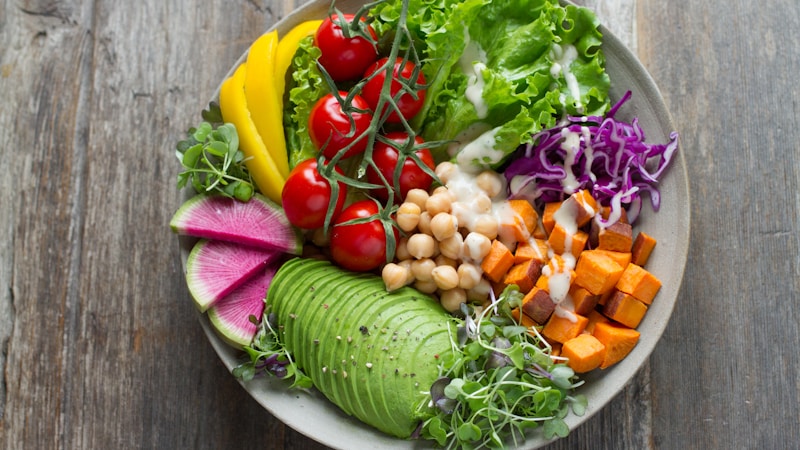
The teenage years are a crucial time for developing lifelong healthy eating habits. During adolescence, your body undergoes significant changes that require proper nutrition to support growth, brain development, and overall wellness. Yet with busy schedules, social pressures, and increasing independence around food choices, many teens struggle to maintain balanced nutrition. The good news? Building healthy eating habits doesn’t have to be complicated or restrictive. This comprehensive guide will help you understand the fundamentals of teen nutrition and provide practical strategies for creating sustainable, enjoyable eating patterns that will serve you well into adulthood.
Understanding Teen Nutritional Needs
Teenage bodies have unique nutritional requirements that differ significantly from both children and adults. During puberty, rapid growth spurts increase the need for calories, protein, calcium, and iron. Girls typically need around 1,800-2,400 calories daily, while boys may require 2,200-3,200 calories, depending on activity level and growth stage.
Protein becomes especially important during these years, supporting muscle development and hormone production. Aim for lean sources like chicken, fish, beans, eggs, and Greek yogurt. Calcium and vitamin D are essential for bone development – remember that 90% of bone mass is built by age 18, making these nutrients critical during adolescence.
Iron needs also increase significantly, particularly for girls who begin menstruating. Iron-rich foods include lean meats, spinach, lentils, and fortified cereals. Pairing these with vitamin C sources like oranges or bell peppers enhances absorption.
Don’t forget about brain health nutrients like omega-3 fatty acids found in salmon, walnuts, and flaxseeds. These support cognitive function and mood regulation – both crucial during the emotional and academic demands of teenage years.
Building Balanced Meals Throughout the Day
Creating balanced meals doesn’t require perfection – it’s about making consistent, mindful choices. Start with the plate method: fill half your plate with fruits and vegetables, one quarter with lean protein, and one quarter with whole grains. This visual guide makes meal planning simple and ensures you’re getting a variety of nutrients.
Breakfast sets the tone for your entire day. Despite busy morning schedules, skipping breakfast can lead to decreased concentration, mood swings, and overeating later. Quick options include overnight oats with berries and nuts, whole grain toast with avocado and eggs, or a smoothie packed with spinach, banana, protein powder, and milk.
For lunch and dinner, focus on including at least three food groups in each meal. A turkey and hummus wrap with vegetables, a side of fruit, and milk checks all the boxes. Dinner might feature grilled chicken, roasted sweet potatoes, and steamed broccoli.
Snacks play an important role in teen nutrition, helping maintain energy levels between meals. Choose combinations that include protein and fiber: apple slices with peanut butter, Greek yogurt with granola, or whole grain crackers with cheese. These combinations help stabilize blood sugar and keep you satisfied longer than sugary snacks alone.
Navigating Social Eating and Food Pressures
Social situations often present the biggest challenges to maintaining healthy eating habits. From cafeteria lunches to weekend gatherings, teens face numerous food decisions that can feel overwhelming. The key is developing a flexible mindset that allows for enjoyment while maintaining overall health goals.
When eating with friends, remember that you can participate fully without abandoning your healthy habits. At restaurants, look for grilled rather than fried options, ask for dressing on the side, or suggest splitting a dessert. These small modifications allow you to enjoy social eating while making choices that align with your wellness goals.
Peer pressure around food is real, but remember that your health decisions are personal. If friends comment on your food choices, a simple “I feel better when I eat this way” usually ends the conversation. Surround yourself with people who support your healthy choices rather than undermine them.
Plan ahead for challenging situations. If you know you’ll be at a party with limited healthy options, eat a nutritious snack beforehand so you’re not making decisions while overly hungry. Bring a healthy dish to share – this ensures there’s something you feel good about eating while contributing to the gathering.
Develop strategies for emotional eating, which often intensifies during the stressful teenage years. Instead of turning to food when upset, try calling a friend, going for a walk, journaling, or practicing deep breathing exercises.
Practical Meal Planning and Preparation Tips
Successful healthy eating often comes down to planning and preparation. Start small – you don’t need to meal prep like a fitness influencer to see benefits. Even spending 20 minutes on Sunday washing fruits and vegetables or preparing grab-and-go snacks can make weekday eating much easier.
Get involved in grocery shopping and learn to read nutrition labels. Focus on foods with shorter ingredient lists and recognizable components. When possible, choose whole grain versions of bread, pasta, and rice. Stock your kitchen with healthy staples: nuts, seeds, frozen fruits and vegetables, canned beans, whole grain cereals, and lean proteins.
Batch cooking can be a game-changer for busy teens. Cook larger portions of foods like brown rice, quinoa, or grilled chicken that can be used in multiple meals throughout the week. Mason jar salads, homemade trail mix, and pre-cut vegetables make healthy choices as convenient as processed alternatives.
Learn basic cooking skills that will serve you throughout life. Start with simple techniques like roasting vegetables, cooking eggs, or preparing smoothies. YouTube and cooking apps offer countless tutorials for beginners. Cooking at home gives you control over ingredients and portions while often being more cost-effective than eating out.
Keep a food journal for a week to identify patterns in your eating habits. Notice when you tend to make less healthy choices – is it when you’re stressed, bored, or simply unprepared? This awareness helps you develop targeted strategies for improvement.
Creating Sustainable Long-Term Habits
The goal isn’t perfection – it’s progress toward habits that will support your health for decades to come. Focus on making small, consistent changes rather than dramatic overhauls that are difficult to maintain. Maybe start by adding a serving of vegetables to lunch, then gradually work on other areas.
Develop a healthy relationship with all foods. While nutrient-dense options should form the foundation of your diet, there’s room for treats and indulgences in moderation. The 80/20 approach – eating nutritiously 80% of the time while allowing flexibility for the remaining 20% – helps prevent the restriction-binge cycle that often develops from overly rigid eating rules.
Listen to your body’s hunger and fullness cues. Eat when you’re hungry and stop when you’re comfortably satisfied. This intuitive approach helps you maintain a healthy weight naturally while developing a positive relationship with food.
Stay hydrated throughout the day. Often, we mistake thirst for hunger, leading to unnecessary snacking. Keep a water bottle with you and aim for pale yellow urine as a hydration indicator. If plain water feels boring, try infusing it with fruits, herbs, or a splash of 100% fruit juice.
Remember that healthy eating is just one component of overall wellness. Combine good nutrition with regular physical activity, adequate sleep, stress management, and positive social connections for optimal health. Be patient with yourself as you develop these habits – lasting change takes time, but the investment in your health will pay dividends throughout your life.
Recommended Products
To support your wellness journey, consider these helpful products:
Final Thoughts
Developing healthy eating habits during your teenage years sets the foundation for lifelong wellness. Remember that this journey is about progress, not perfection. Start with small, manageable changes like adding more fruits and vegetables to your meals or drinking more water throughout the day. Focus on nourishing your body with nutrient-dense foods while still allowing room for flexibility and enjoyment. With time, patience, and consistency, these healthy choices will become second nature. Your future self will thank you for the investment you make in your health today. Remember, every healthy choice matters, and you have the power to create positive changes that will benefit you for years to come.