
In our fast-paced world, many women find themselves running on empty, reaching for quick fixes like caffeine or sugar to get through the day. But what if there was a better way? The foods we choose can either drain our energy or fuel our bodies for sustained vitality. Understanding which energy boosting foods work best for women’s unique nutritional needs can transform how you feel throughout the day. From supporting hormonal balance to maintaining steady blood sugar levels, the right foods can be your secret weapon for natural, lasting energy that doesn’t crash.
Understanding Women’s Unique Energy Needs
Women’s bodies have distinct nutritional requirements that differ significantly from men’s, especially when it comes to energy metabolism. Monthly hormonal fluctuations, higher iron needs due to menstruation, and different muscle mass compositions all influence how women process and utilize energy from food.
During different phases of the menstrual cycle, energy levels naturally fluctuate. The luteal phase, for instance, requires more calories and can leave you feeling more fatigued. Understanding these patterns helps explain why some days you feel energized while others leave you reaching for that third cup of coffee.
Women also tend to have lower muscle mass than men, which affects metabolic rate and how quickly the body burns through energy stores. This makes it even more crucial to choose foods that provide sustained energy rather than quick spikes followed by crashes. Additionally, women are more prone to iron deficiency, which directly impacts energy levels and oxygen transport throughout the body.
Top Energy Boosting Foods for Women
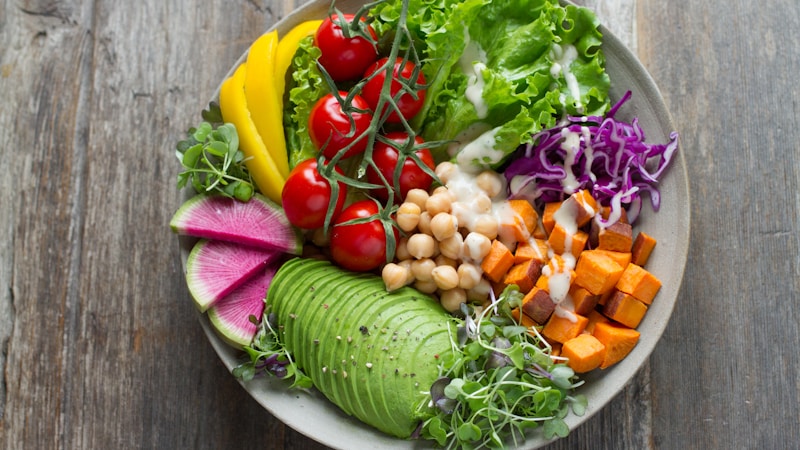
Complex carbohydrates form the foundation of sustained energy. Foods like quinoa, sweet potatoes, and oats provide steady glucose release, preventing the energy rollercoaster that comes with refined sugars. Quinoa is particularly beneficial as it’s a complete protein, offering all essential amino acids women need for muscle maintenance and energy production.
Iron-rich foods deserve special attention in women’s diets. Lean meats, spinach, lentils, and pumpkin seeds help combat fatigue caused by iron deficiency. Pairing these with vitamin C sources like bell peppers or citrus fruits enhances iron absorption, maximizing their energy-boosting potential.
Healthy fats shouldn’t be overlooked. Avocados, nuts, and seeds provide long-lasting energy while supporting hormone production. Omega-3 rich foods like salmon and chia seeds reduce inflammation and support brain function, helping maintain mental energy throughout the day.
B-vitamin rich foods like eggs, leafy greens, and whole grains are essential for converting food into usable energy. These nutrients are particularly important for women who may have higher B-vitamin needs due to birth control use or pregnancy.
Timing Your Energy Foods Right
When you eat can be just as important as what you eat for maintaining steady energy levels. Starting your day with a balanced breakfast that includes protein, healthy fats, and complex carbohydrates sets the tone for stable blood sugar throughout the morning.
Mid-morning and afternoon snacks should focus on protein-fat combinations to prevent energy dips. Think apple slices with almond butter, Greek yogurt with berries, or a small handful of nuts with dried fruit. These combinations provide sustained energy without causing blood sugar spikes.
Pre-workout nutrition matters too. Eating a banana with a small amount of nut butter 30-60 minutes before exercise provides quick energy while the healthy fats offer sustained fuel. Post-workout, focus on protein and carbohydrates to replenish energy stores and support recovery.
Evening meals should be lighter but still balanced, emphasizing foods that support restful sleep. Magnesium-rich foods like dark chocolate, pumpkin seeds, or leafy greens can help your body wind down naturally, ensuring you wake up refreshed and energized.
Foods That Drain Your Energy
Understanding energy-draining foods is equally important for maintaining vitality. Highly processed foods, excessive caffeine, and refined sugars might provide temporary energy but often lead to crashes that leave you more tired than before.
Sugary snacks and drinks cause rapid blood sugar spikes followed by dramatic drops, creating a cycle of cravings and fatigue. Even seemingly healthy options like fruit juices can have this effect when consumed without fiber or protein to slow absorption.
Excessive alcohol consumption disrupts sleep quality and interferes with nutrient absorption, particularly B vitamins crucial for energy production. While moderate consumption may fit into a healthy lifestyle, regular overconsumption can significantly impact energy levels.
Highly processed foods often lack the nutrients needed for energy production while requiring extra energy to digest and process. Foods high in trans fats and artificial additives can also contribute to inflammation, which drains the body’s energy resources.
Creating Your Personal Energy Plan
Developing a sustainable energy-boosting nutrition plan starts with understanding your individual needs and lifestyle. Keep a food and energy journal for a week, noting how different foods and timing affect your energy levels throughout the day.
Meal prep can be your best friend when it comes to maintaining steady energy. Preparing energy-boosting snacks and meals in advance ensures you always have nutritious options available, reducing the temptation to reach for quick but energy-draining alternatives.
Hydration plays a crucial role in energy levels. Even mild dehydration can cause fatigue and difficulty concentrating. Aim for at least 8 glasses of water daily, and consider herbal teas as flavorful alternatives that provide additional benefits.
Supplementation may be helpful for some women, particularly those with diagnosed deficiencies. Iron, B12, and vitamin D are common areas where women may benefit from additional support, but it’s important to consult with a healthcare provider before starting any supplement regimen.
Remember that sustainable energy comes from consistent habits rather than dramatic changes. Start by incorporating one or two energy-boosting foods into your daily routine and gradually build from there.
Recommended Products
To support your wellness journey, consider these helpful products:
Final Thoughts
Boosting your energy naturally through food choices is one of the most empowering steps you can take for your overall wellness. By understanding your body’s unique needs as a woman and choosing nutrient-dense, energy-sustaining foods, you can break free from the cycle of artificial stimulants and energy crashes. Remember, small, consistent changes often yield the most sustainable results. Start with one or two energy-boosting foods today, and gradually build your arsenal of natural fuel sources. Your body—and your busy schedule—will thank you for making these nourishing choices that support your vitality from the inside out.