
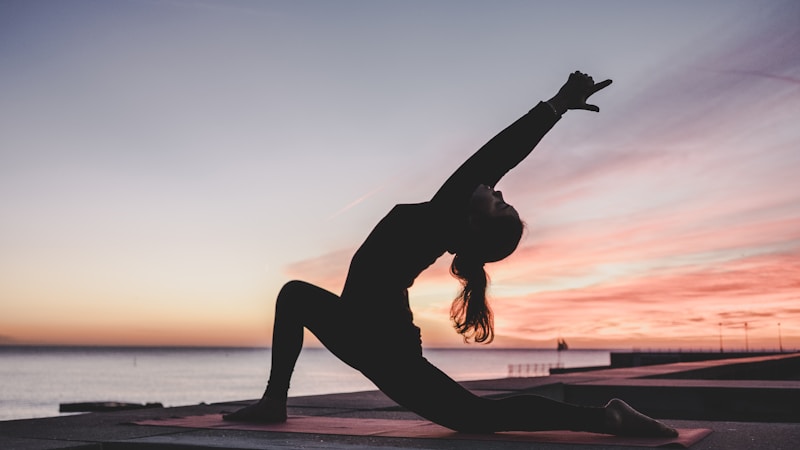
Welcome to your comprehensive wellness for women portal, where we explore the unique health journey that every woman deserves to embrace. Women’s wellness encompasses far more than just physical health—it’s a holistic approach that includes mental well-being, emotional balance, nutritional needs, and preventive care. Throughout different life stages, from adolescence through menopause and beyond, women face distinct health challenges and opportunities. This guide serves as your trusted resource, offering evidence-based insights and practical strategies to help you prioritize your health, make informed decisions, and create sustainable wellness habits that fit your lifestyle and goals.
Understanding Your Nutritional Foundation
Proper nutrition forms the cornerstone of women’s wellness, yet many women struggle to meet their unique dietary needs. Women require different nutritional profiles than men, particularly when it comes to iron, calcium, folate, and vitamin D. During reproductive years, iron needs are significantly higher due to menstruation, while calcium becomes increasingly important for bone health as estrogen levels fluctuate.
Focus on incorporating nutrient-dense foods rather than restrictive dieting. Lean proteins, colorful vegetables, whole grains, and healthy fats should form the foundation of your meals. Consider the timing of your nutrition too—eating balanced meals every 3-4 hours helps maintain stable blood sugar levels and sustained energy throughout the day.
Hydration plays a crucial role in overall wellness. Aim for at least 8 glasses of water daily, adjusting for activity level, climate, and individual needs. Many women don’t realize that proper hydration affects everything from skin health to cognitive function and mood stability.
Supplementation may be beneficial, but it’s best to work with a healthcare provider to identify specific needs through testing rather than guessing. Common areas where women may need additional support include vitamin D, B vitamins, omega-3 fatty acids, and magnesium.
Building Sustainable Fitness Habits
Physical activity is essential for women’s long-term health, but the approach should be sustainable and enjoyable rather than punitive. The key is finding movement that you genuinely enjoy and can maintain consistently over time. This might be dancing, hiking, swimming, strength training, or yoga—there’s no one-size-fits-all solution.
Strength training deserves special attention in women’s fitness routines. Building and maintaining muscle mass becomes increasingly important with age, as it supports bone health, metabolism, and functional independence. Don’t worry about ‘bulking up’—women’s hormonal profiles make it difficult to build excessive muscle mass without very specific training and nutrition protocols.
Cardiovascular exercise supports heart health, mood regulation, and energy levels. The American Heart Association recommends at least 150 minutes of moderate-intensity exercise weekly, but this can be broken down into manageable chunks. Even 10-15 minute walks throughout the day contribute significantly to your overall fitness goals.
Flexibility and mobility work, such as yoga or stretching routines, help prevent injury and reduce stress. These practices also provide mental health benefits through mindfulness and body awareness. Consider incorporating movement throughout your day rather than viewing exercise as something that only happens at the gym.
Prioritizing Mental and Emotional Well-being
Mental health is an integral component of overall wellness, yet it’s often overlooked in traditional health discussions. Women are statistically more likely to experience anxiety and depression, partly due to hormonal fluctuations, societal pressures, and often carrying disproportionate caregiving responsibilities.
Stress management techniques should be personalized to your preferences and lifestyle. Some women find relief through meditation and mindfulness practices, while others prefer journaling, creative activities, or physical exercise. The goal is to develop a toolkit of strategies you can access during challenging times.
Sleep quality significantly impacts both physical and mental health. Women’s sleep patterns can be affected by hormonal changes throughout the menstrual cycle, pregnancy, and menopause. Create a consistent sleep routine by establishing regular bedtimes, limiting screen time before bed, and creating a comfortable sleep environment.
Social connections play a vital role in women’s mental health. Nurturing relationships with family, friends, and community provides emotional support and reduces feelings of isolation. Don’t hesitate to seek professional support when needed—therapy can be valuable for processing life changes, developing coping strategies, and maintaining mental wellness.
Setting boundaries is crucial for emotional well-being. This might mean saying no to additional commitments when you’re overwhelmed, communicating your needs clearly in relationships, or carving out time for activities that bring you joy and restoration.
Mastering Preventive Care and Health Screenings
Preventive care is your first line of defense against serious health issues, yet many women delay or skip important screenings. Regular check-ups with healthcare providers allow for early detection and intervention when treatments are most effective.
Establish relationships with healthcare providers who understand women’s health comprehensively. This typically includes a primary care physician and a gynecologist, and may include specialists like dermatologists or mental health professionals depending on your needs.
Key screenings vary by age and risk factors, but generally include annual wellness visits, cervical cancer screenings (Pap tests), breast cancer screenings (mammograms), and bone density tests. Keep track of when you’re due for screenings and schedule them proactively rather than waiting for symptoms to appear.
Understand your family health history and communicate this information to your healthcare providers. Genetic factors can influence your risk for conditions like heart disease, diabetes, and certain cancers, allowing for more personalized preventive strategies.
Stay current with vaccinations, including annual flu shots and other recommended vaccines. Your immune system changes throughout life, and staying up-to-date with preventive measures protects both your health and the health of your community.
Regularly monitor changes in your body and don’t hesitate to discuss concerns with healthcare providers. You know your body best, and early reporting of changes can lead to prompt evaluation and treatment when necessary.
Creating Your Personal Wellness Action Plan
Developing a personalized wellness plan ensures that healthy habits become integrated into your daily life rather than feeling like additional burdens. Start by assessing your current wellness practices honestly—what’s working well, and what areas need attention?
Set realistic, specific goals that align with your lifestyle and values. Instead of vague intentions like ‘eat better,’ create actionable goals such as ‘include vegetables in every lunch this week’ or ‘take a 15-minute walk after dinner three times this week.’ Small, consistent changes often lead to more sustainable results than dramatic overhauls.
Create systems and routines that support your wellness goals. This might involve meal planning on weekends, laying out workout clothes the night before, or scheduling self-care activities just like any other important appointment. The easier you make healthy choices, the more likely you are to maintain them long-term.
Regularly evaluate and adjust your wellness plan as your life circumstances change. What works during one season of life may need modification as you face new challenges or opportunities. Flexibility and self-compassion are essential components of sustainable wellness practices.
Consider tracking your progress through journals, apps, or simple checklists—whatever method resonates with you. Celebrating small victories along the way helps maintain motivation and reinforces positive changes.
Remember that wellness is a journey, not a destination. There will be setbacks and challenges, and that’s completely normal. The goal is progress, not perfection, and every step you take toward better health is valuable.
Recommended Products
To support your wellness journey, consider these helpful products:
Final Thoughts
Your wellness journey as a woman is unique and deserves personalized attention across all aspects of health. This wellness for women portal has provided you with foundational knowledge and practical strategies to support your physical, mental, and emotional well-being. Remember that small, consistent changes often yield the most sustainable results. Whether you’re focusing on nutrition, fitness, mental health, or preventive care, the key is to start where you are and build gradually. Prioritize self-care not as a luxury, but as an essential investment in your long-term health and happiness. By taking proactive steps today, you’re creating a foundation for wellness that will serve you throughout all stages of life.