
As women, we juggle countless responsibilities – from career demands to family care, often putting our own health on the back burner. But here’s the truth: a strong immune system is your foundation for thriving in all areas of life. While a balanced diet should always come first, certain immune system booster vitamins can provide valuable support, especially during times of stress, seasonal changes, or busy periods. Understanding which vitamins and nutrients can help strengthen your body’s natural defenses empowers you to make informed choices about your health. Let’s explore the essential immune-supporting vitamins that can help you feel your best, naturally.
Why Women Need Extra Immune Support
Women face unique immune challenges throughout their lives. Hormonal fluctuations during menstruation, pregnancy, and menopause can impact immune function. Additionally, women are more likely to experience autoimmune conditions, with research showing that 75% of autoimmune disease cases affect women.
Stress also plays a significant role in immune health. Many women experience chronic stress from balancing multiple roles, which can suppress immune function over time. Factors like inadequate sleep, poor nutrition, and lack of exercise – common issues in our fast-paced world – further compromise our body’s ability to fight off illness.
Recognizing these challenges is the first step toward taking proactive measures. While lifestyle factors like proper sleep, regular exercise, and stress management remain crucial, targeted nutritional support through immune system booster vitamins can help fill gaps and provide additional protection when your body needs it most.
Essential Immune System Booster Vitamins
Several key vitamins play crucial roles in supporting immune function. Vitamin C is perhaps the most well-known immune supporter, acting as a powerful antioxidant that helps protect cells from damage while supporting white blood cell function. Women should aim for 75mg daily, though needs may increase during times of stress or illness.
Vitamin D deserves special attention, as deficiency is incredibly common, especially among women. This vitamin acts more like a hormone, regulating immune responses and helping prevent both infections and autoimmune reactions. Many experts recommend 1000-2000 IU daily, though testing your blood levels is ideal for personalized dosing.
Vitamin A supports the integrity of mucous membranes – your body’s first line of defense against pathogens. It also helps regulate immune cell development and function. The recommended daily amount is 700 mcg for women, easily obtained through a varied diet rich in colorful vegetables.
B vitamins, particularly B6, B12, and folate, are essential for producing and maintaining immune cells. B6 supports antibody production, while B12 and folate are crucial for DNA synthesis in rapidly dividing immune cells. These vitamins work synergistically, making a B-complex supplement often more beneficial than individual B vitamins.
Powerful Minerals for Immune Function
Beyond vitamins, certain minerals act as immune system boosters. Zinc is particularly important for women, as it supports wound healing, helps maintain the integrity of skin and mucous membranes, and is essential for immune cell development. Women need 8mg daily, but many don’t get enough through diet alone.
Selenium, though needed in small amounts (55 mcg daily for women), punches above its weight in immune support. This trace mineral acts as a cofactor for antioxidant enzymes and helps regulate immune responses. Brazil nuts are an excellent natural source, with just 1-2 nuts providing your daily needs.
Iron deserves special mention for women, who are at higher risk of deficiency due to menstruation. While iron deficiency doesn’t directly impair immune function, it can lead to fatigue and reduced energy for self-care activities that support immunity. However, too much iron can be problematic, so testing before supplementing is wise.
Magnesium, often called the ‘relaxation mineral,’ indirectly supports immune function by helping manage stress and promoting quality sleep. Women need 310-320mg daily, and many benefit from supplementation, especially during high-stress periods.
Natural Food Sources vs. Supplements
While supplements can be helpful, getting immune system booster vitamins from whole foods offers additional benefits. Foods provide vitamins and minerals in forms that are often better absorbed, along with other beneficial compounds like fiber, antioxidants, and phytonutrients.
For vitamin C, focus on citrus fruits, berries, bell peppers, and leafy greens. These foods also provide flavonoids that enhance vitamin C’s effectiveness. Vitamin D is trickier to obtain from food alone, with fatty fish, fortified dairy products, and egg yolks being the primary sources. Safe sun exposure remains the most natural way to boost vitamin D levels.
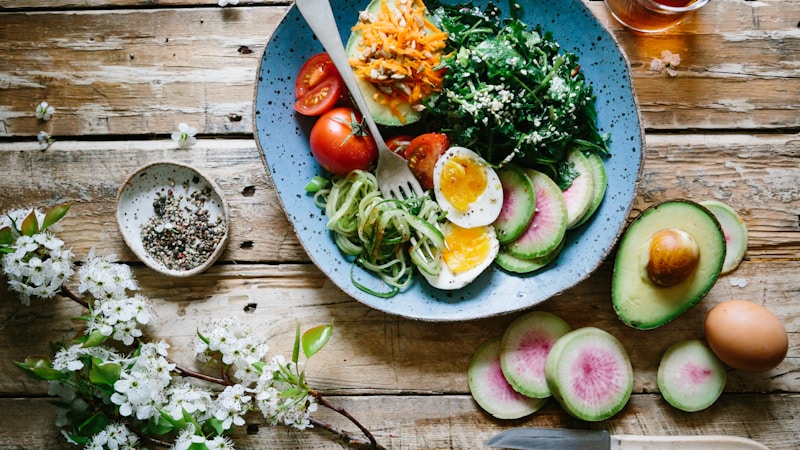
Colorful vegetables and fruits provide vitamin A and its precursors. Think orange and yellow vegetables like carrots, sweet potatoes, and squash, as well as dark leafy greens. For B vitamins, include whole grains, legumes, nuts, seeds, and if you eat them, lean meats and fish.
Mineral-rich foods include nuts and seeds for zinc and magnesium, seafood for selenium and zinc, and a variety of whole foods for trace minerals. However, soil depletion and food processing can reduce mineral content, making targeted supplementation reasonable for many women.
The key is viewing supplements as insurance, not replacement, for a healthy diet. Start with nutrient-dense whole foods, then consider supplements to fill specific gaps or provide extra support during challenging times.
Creating Your Immune Support Strategy
Building an effective immune support strategy goes beyond just taking vitamins. Start by assessing your individual needs. Consider factors like your diet quality, stress levels, sleep patterns, exercise habits, and any health conditions that might affect nutrient absorption or increase your needs.
If you’re new to supplements, start slowly. Begin with one or two key nutrients rather than a handful of different pills. A high-quality multivitamin designed for women can provide a foundation, covering basic needs for multiple immune-supporting nutrients.
Timing matters too. Fat-soluble vitamins (A, D, E, K) are best taken with meals containing some fat for optimal absorption. Water-soluble vitamins (C and B vitamins) can be taken on an empty stomach but may be gentler with food. Zinc is best absorbed on an empty stomach but can cause nausea, so many people prefer taking it with a small snack.
Consider seasonal adjustments to your routine. You might need more vitamin D during winter months or extra vitamin C support during cold and flu season. Listen to your body and adjust accordingly, always keeping in mind that consistency matters more than perfection.
Remember that supplements work best as part of a holistic approach. Prioritize sleep, manage stress through techniques like meditation or yoga, stay hydrated, exercise regularly, and maintain social connections – all of these lifestyle factors significantly impact immune function.
Recommended Products
To support your wellness journey, consider these helpful products:
Final Thoughts
Supporting your immune system through targeted nutrition is one of the most empowering steps you can take for your health. While immune system booster vitamins can provide valuable support, remember that they work best as part of a comprehensive wellness approach that includes nutritious eating, regular physical activity, adequate sleep, and effective stress management. Every woman’s needs are unique, so consider working with a healthcare provider or registered dietitian to develop a personalized plan that fits your lifestyle and health goals. By taking proactive steps to support your immune system, you’re investing in your ability to show up fully for all the important people and activities in your life. Your health is worth prioritizing – and your future self will thank you for the care you show today.