
Your hair is often considered your crowning glory, and maintaining its health goes far beyond the products you apply externally. The foundation of strong, lustrous hair begins from within, with proper nutrition playing a crucial role in hair growth, strength, and overall appearance. While genetics and hormones certainly influence your hair’s characteristics, ensuring your body receives the right vitamins and minerals can make a significant difference in your hair’s health. Understanding which nutrients support hair follicles and how to incorporate them into your daily routine can help you achieve the healthy, vibrant hair you desire while supporting your overall wellness journey.
The Science Behind Hair Growth and Nutrition
Hair growth is a complex biological process that requires a steady supply of nutrients to function optimally. Each hair follicle is essentially a tiny factory that produces keratin, the protein that makes up your hair shaft. This process demands energy, building blocks, and various cofactors that come from the vitamins and minerals in your diet.
The hair growth cycle consists of three phases: anagen (growth phase), catagen (transition phase), and telogen (resting phase). During the anagen phase, which can last 2-7 years, your hair follicles are actively producing new hair cells. This is when proper nutrition is most critical, as nutrient deficiencies can shorten this growth phase or cause hair to become weak and brittle.
Your hair follicles are among the most metabolically active cells in your body, which means they’re particularly sensitive to nutritional deficiencies. When your body doesn’t receive adequate nutrients, it prioritizes vital organs over hair growth, often leading to hair thinning, loss, or poor hair quality. Understanding this connection empowers you to make informed choices about your nutrition and overall wellness routine.
Essential Vitamins for Healthy Hair Growth
Several vitamins play crucial roles in maintaining healthy hair, each contributing to different aspects of hair growth and strength. Vitamin D is often called the ‘sunshine vitamin’ and is essential for hair follicle health. Research suggests that vitamin D receptors are present in hair follicles, and deficiency may be linked to hair loss conditions. Many women, especially those in northern climates or with limited sun exposure, may benefit from monitoring their vitamin D levels.
B-complex vitamins are particularly important for hair health. Biotin (B7) is perhaps the most well-known hair vitamin, supporting the production of keratin. However, the entire B-complex family works together synergistically. Vitamin B12 supports red blood cell formation, ensuring oxygen reaches your hair follicles, while folate (B9) aids in cell division and DNA synthesis. Niacin (B3) helps improve circulation to the scalp, potentially supporting nutrient delivery to hair roots.
Vitamin C acts as a powerful antioxidant, protecting hair follicles from oxidative stress while also supporting collagen production. Collagen provides structure to hair and helps maintain scalp health. Additionally, vitamin C enhances iron absorption, which is crucial since iron deficiency is one of the most common nutritional causes of hair loss in women.
Vitamin E, another potent antioxidant, may help reduce oxidative stress in the scalp and support healthy circulation. Some studies suggest that vitamin E supplementation might contribute to improved hair growth, though more research is needed to establish definitive benefits.
Critical Minerals for Hair Strength and Growth
Minerals serve as cofactors in many enzymatic reactions involved in hair growth and maintenance. Iron is perhaps the most critical mineral for hair health, as iron deficiency is strongly associated with hair loss, particularly in premenopausal women. Iron helps carry oxygen to hair follicles through red blood cells, and without adequate iron, hair growth can slow significantly or stop altogether.
Zinc plays a vital role in hair tissue growth and repair, and it helps keep the oil glands around hair follicles working properly. Zinc deficiency can lead to hair loss, and while severe deficiency is relatively rare, marginal deficiency may be more common than previously thought. Foods rich in zinc or appropriate supplementation can help maintain optimal levels.
Selenium acts as an antioxidant, protecting hair follicles from damage. It works closely with vitamin E to maintain healthy hair and scalp conditions. However, it’s important to note that too much selenium can actually cause hair loss, so balance is key when considering this mineral.
Silica, while less commonly discussed, contributes to hair strength and shine. It’s involved in collagen synthesis and may help improve hair texture and manageability. Natural sources include whole grains, leafy greens, and certain fruits.
Copper, needed in small amounts, helps with melanin production, which gives hair its color. Copper deficiency can lead to premature graying and hair texture changes. Most people get adequate copper from their diet, but it’s worth noting its importance in overall hair health.
Natural Food Sources vs. Supplementation
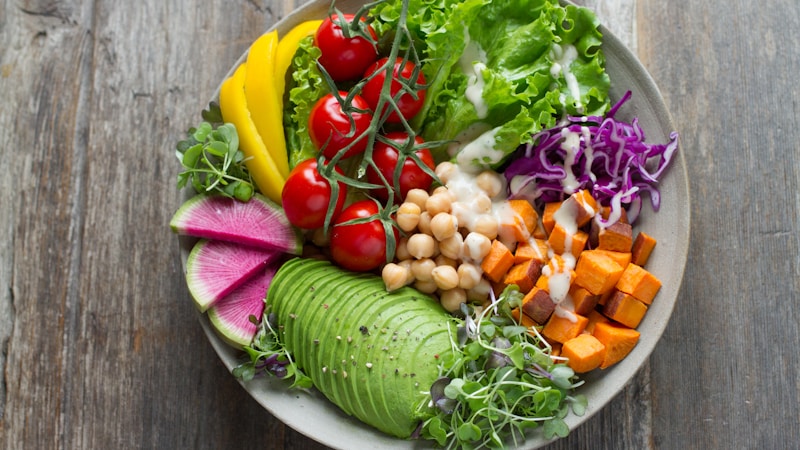
While supplements can be helpful, obtaining nutrients from whole foods is generally preferable when possible. Whole foods provide nutrients in forms that are often more easily absorbed and utilized by your body, plus they offer additional beneficial compounds like phytonutrients and fiber.
For iron, consider incorporating lean meats, leafy greens like spinach, legumes, and fortified cereals into your diet. Pairing iron-rich foods with vitamin C sources like citrus fruits, berries, or bell peppers can enhance absorption. For zinc, oysters are the richest source, but pumpkin seeds, chickpeas, and cashews are excellent plant-based options.
B-vitamins are abundant in whole grains, eggs, dairy products, leafy greens, and legumes. If you follow a plant-based diet, pay particular attention to vitamin B12, which is primarily found in animal products and may require supplementation.
However, supplementation may be beneficial in certain situations. If you have diagnosed deficiencies, follow a restrictive diet, have absorption issues, or are going through periods of high stress or hormonal changes, targeted supplementation under healthcare guidance might be appropriate.
When considering supplements, quality matters significantly. Look for third-party tested products from reputable manufacturers, and remember that more isn’t always better – some nutrients can be harmful in excessive amounts. It’s always wise to consult with a healthcare provider before starting any new supplement regimen, especially if you’re taking medications or have underlying health conditions.
Lifestyle Factors That Support Hair Health
While vitamins and minerals form the foundation of hair health, several lifestyle factors can either support or hinder your efforts to maintain healthy hair. Stress management is crucial, as chronic stress can push hair follicles into the resting phase prematurely, leading to increased hair shedding. Incorporating stress-reduction techniques like meditation, yoga, regular exercise, or simply engaging in activities you enjoy can positively impact your hair health.
Sleep quality directly affects your body’s ability to repair and regenerate, including hair growth. During sleep, your body produces growth hormones and allows cellular repair processes to occur. Aim for 7-9 hours of quality sleep nightly to support optimal hair growth cycles.
Hydration plays an often-overlooked role in hair health. Your hair shaft consists of about 25% water, and adequate hydration helps maintain hair flexibility and prevents brittleness. Drinking enough water throughout the day supports overall circulation, including blood flow to the scalp.
Gentle hair care practices complement good nutrition. Avoid excessive heat styling, harsh chemical treatments, and tight hairstyles that can cause mechanical damage. When you nourish your hair from within while treating it gently externally, you create the best possible environment for healthy hair growth.
Regular scalp massage may help stimulate circulation and create a healthy environment for hair growth. Even just a few minutes during your daily routine can be beneficial and relaxing.
Remember that hair growth is a slow process – it typically takes 2-3 months to see changes from nutritional improvements, so patience and consistency are key to achieving your hair health goals.
Recommended Products
To support your wellness journey, consider these helpful products:
Final Thoughts
Achieving healthy, strong hair is a journey that begins from within. By understanding the vital roles that vitamins and minerals play in hair growth and maintenance, you can make informed decisions about your nutrition and wellness routine. Remember that consistency is key – both in maintaining a nutrient-rich diet and in being patient with the process, as hair growth and improvement take time. While supplements can be helpful in certain situations, focusing on a balanced, whole-foods approach to nutrition will benefit not just your hair, but your overall health and well-being. Consider consulting with a healthcare provider or registered dietitian to develop a personalized approach that addresses your individual needs and helps you achieve your hair health goals as part of your broader wellness journey.