
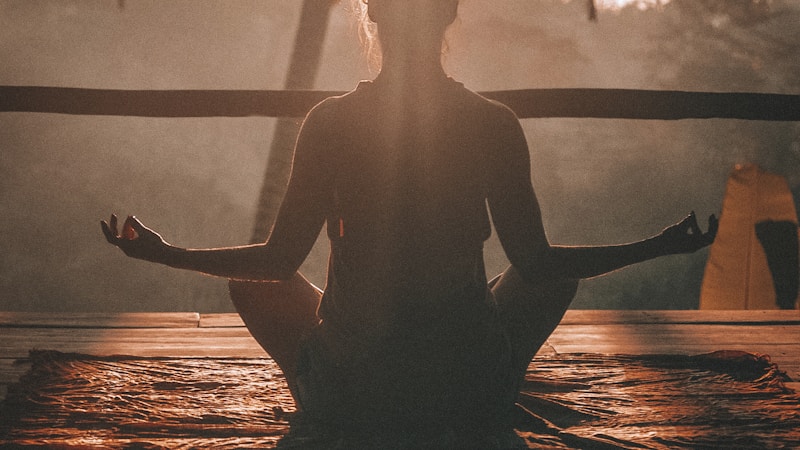
In today’s fast-paced world, women often juggle multiple roles - career professional, caregiver, partner, and friend - leaving little time for personal mental wellness. The constant pressure can lead to burnout, anxiety, and emotional exhaustion. Mental health wellness retreats have emerged as powerful sanctuaries where women can step away from daily stressors, reconnect with themselves, and develop sustainable wellness practices. These transformative experiences offer more than just relaxation; they provide structured programs designed to address women’s unique mental health needs through mindfulness, therapeutic activities, and community support.
Understanding Mental Health Wellness Retreats for Women
Mental health wellness retreats are immersive experiences designed to support psychological wellbeing through various therapeutic and holistic approaches. Unlike traditional vacations, these retreats focus specifically on mental health restoration and skill-building for long-term wellness.
Women-focused retreats recognize the unique challenges females face, including hormonal fluctuations, societal pressures, work-life balance struggles, and relationship dynamics. These programs often incorporate gender-specific discussions, addressing topics like perfectionism, people-pleasing tendencies, and the mental load of caregiving responsibilities.
Typical retreat components include guided meditation sessions, therapeutic workshops, nature immersion activities, yoga and movement therapy, nutritional wellness education, and peer support groups. Many retreats also offer individual counseling sessions with licensed mental health professionals.
The duration varies from weekend intensives to week-long programs, with some offering ongoing virtual support post-retreat. Locations range from serene mountain settings to coastal environments, chosen specifically to promote healing and reflection away from everyday distractions.
Key Benefits of Mental Health Retreats for Women
Participating in a mental health wellness retreat can provide numerous benefits that extend far beyond the retreat experience itself. One of the primary advantages is the opportunity for deep rest and nervous system regulation. Many women exist in a constant state of hypervigilance, and retreats provide a safe space to truly relax and reset.
Skill development is another crucial benefit. Retreats teach practical tools for managing stress, anxiety, and emotional regulation that participants can integrate into their daily lives. These might include breathing techniques, mindfulness practices, boundary-setting strategies, and self-compassion exercises.
Connection and community building often emerge as unexpected but powerful benefits. Many women feel isolated in their struggles, and retreats create opportunities to connect with others facing similar challenges. These connections frequently continue beyond the retreat, providing ongoing support networks.
Perspective shifts commonly occur when women step away from their usual environments. The physical distance from daily responsibilities allows for clarity about priorities, relationships, and life direction. Many participants report gaining insights about patterns in their lives that they want to change.
Self-care skill development is emphasized throughout most programs. Women learn to prioritize their own needs without guilt, understanding that self-care is essential for overall wellbeing and their ability to care for others effectively.
Types of Mental Health Wellness Retreats Available
The mental health retreat landscape offers diverse options to meet different needs, preferences, and comfort levels. Understanding these variations helps women choose programs that align with their goals and circumstances.
Mindfulness and meditation retreats focus primarily on contemplative practices, teaching various meditation techniques, mindful movement, and present-moment awareness. These programs are excellent for women seeking to develop a regular meditation practice or deepen existing mindfulness skills.
Therapy-intensive retreats combine traditional therapeutic approaches with retreat settings. They often feature group therapy sessions, individual counseling, and workshops addressing specific mental health concerns like anxiety, depression, or trauma recovery.
Adventure therapy retreats incorporate outdoor activities like hiking, rock climbing, or wilderness experiences as therapeutic tools. These programs are particularly beneficial for women who find healing through physical challenge and nature connection.
Creative arts retreats use expressive therapies including art, music, writing, or dance as pathways to emotional processing and healing. These programs appeal to women who prefer non-verbal ways of exploring their inner experiences.
Holistic wellness retreats integrate multiple approaches, combining mental health support with nutrition education, spa treatments, yoga, and alternative healing modalities. These comprehensive programs address mind-body wellness connections.
Virtual retreats have become increasingly popular, offering retreat-style programming online for women who cannot travel or prefer participating from home. While different from in-person experiences, they provide accessibility and convenience.
Choosing the Right Mental Health Retreat
Selecting an appropriate mental health wellness retreat requires careful consideration of personal needs, goals, and circumstances. Begin by identifying your primary objectives - are you seeking stress relief, skill development, trauma healing, or general wellness support?
Research the retreat facilitators’ credentials and experience. Look for programs led by licensed mental health professionals, certified wellness practitioners, or experienced retreat leaders with relevant training. Don’t hesitate to ask about their qualifications and approach.
Consider the retreat’s therapeutic orientation. Some programs follow specific methodologies like cognitive-behavioral therapy, mindfulness-based stress reduction, or somatic approaches. Choose one that resonates with your preferences and needs.
Evaluate the group size and participant demographics. Smaller groups often provide more personalized attention, while larger groups might offer more diverse perspectives. Some retreats cater specifically to certain age groups, life stages, or specific challenges.
Assess practical considerations including location, duration, cost, and accommodations. Factor in your budget, available time off, and comfort level with different settings. Some women prefer luxury accommodations, while others find simpler settings more conducive to inner work.
Read reviews and testimonials from previous participants, but remember that experiences vary widely based on individual needs and expectations. Contact retreat organizers with specific questions about their program structure, daily schedule, and what to expect.
Consider your current mental health status. While retreats can be highly beneficial, they’re not substitutes for ongoing mental health treatment. If you’re dealing with severe depression, active addiction, or other serious mental health conditions, consult with your healthcare provider before attending.
Maximizing Your Retreat Experience and Integration
Preparation significantly impacts retreat outcomes. Begin preparing weeks before departure by setting clear intentions for your experience. What do you hope to learn, release, or develop? Writing down these intentions creates focus and helps measure progress.
Practical preparation includes arranging adequate childcare or work coverage to minimize worry during your absence. Pack comfortable clothing suitable for various activities, and consider bringing a journal for reflection.
During the retreat, embrace beginner’s mind - remain open to new experiences and perspectives, even if they initially feel uncomfortable. Participate fully in activities, even those outside your comfort zone, as growth often occurs at the edges of familiarity.
Practice vulnerability appropriately. While sharing authentically can deepen your experience, maintain healthy boundaries and only share what feels safe and appropriate for you.
Post-retreat integration is crucial for lasting benefit. Create a realistic plan for implementing new practices and insights into your daily life. Start small - attempting to maintain everything learned often leads to overwhelm and abandonment of helpful practices.
Schedule regular check-ins with yourself to assess how you’re maintaining retreat benefits. Consider joining online communities or local groups related to practices you learned. Some retreats offer follow-up sessions or ongoing support groups.
Be patient with the integration process. Lasting change takes time, and it’s normal to have ups and downs as you implement new approaches to mental wellness. Consider the retreat as a beginning rather than a complete solution, part of your ongoing journey toward better mental health.
Recommended Products
To support your wellness journey, consider these helpful products:
Final Thoughts
Mental health wellness retreats offer women valuable opportunities to prioritize their psychological wellbeing in supportive, structured environments. Whether you’re dealing with stress, seeking personal growth, or simply needing a reset, these experiences can provide tools, insights, and connections that support long-term mental wellness. Remember that choosing to attend a retreat is an act of self-care and courage. Take time to research options thoroughly, prepare meaningfully, and approach the experience with openness and self-compassion. Your mental health matters, and investing in retreat experiences can be a powerful step toward creating a more balanced, fulfilling life.