
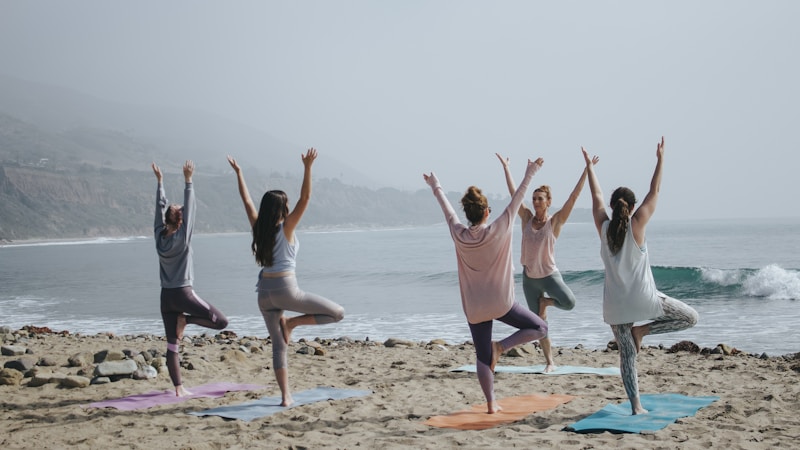
Finding comprehensive wellness resources tailored specifically for women in your local area can feel overwhelming. Whether you’re looking to improve your physical fitness, mental well-being, or overall health, connecting with the right wellness programs and communities near you is essential for sustainable success. This guide will help you navigate the world of women’s wellness, from understanding your unique health needs to discovering local resources that can support your journey. We’ll explore practical strategies for creating a personalized wellness plan that fits your lifestyle, budget, and goals while emphasizing the importance of community support in maintaining long-term health habits.
Understanding Women’s Unique Wellness Needs
Women face distinct health challenges throughout their lives that require specialized attention and care. From hormonal fluctuations during menstruation, pregnancy, and menopause to higher rates of certain conditions like osteoporosis and autoimmune disorders, women’s bodies have unique requirements that generic wellness approaches often overlook.
Nutritional needs vary significantly based on life stages, with women requiring more iron during reproductive years and increased calcium and vitamin D as they age. Mental health considerations are equally important, as women are statistically more likely to experience anxiety and depression, often linked to hormonal changes, societal pressures, and caregiving responsibilities.
Recognizing these differences is the first step toward creating an effective wellness plan. Women benefit from approaches that address not just physical health but also emotional well-being, stress management, and work-life balance. This holistic perspective acknowledges that true wellness encompasses mind, body, and spirit, requiring integrated strategies rather than isolated interventions.
Local wellness providers who specialize in women’s health understand these nuances and can offer targeted support. They recognize that what works for men or general populations may not be optimal for women, making specialized care crucial for achieving meaningful health outcomes.
Finding Local Wellness Resources and Providers
Discovering quality wellness resources in your area requires strategic searching and community engagement. Start by researching local women’s health clinics, which often provide comprehensive services beyond basic medical care, including nutrition counseling, fitness programs, and mental health support.
Many communities have women-focused fitness studios offering specialized classes like prenatal yoga, postnatal recovery programs, or strength training designed for female physiology. These spaces create supportive environments where women can exercise comfortably while connecting with others who share similar health goals.
Local hospitals and medical centers frequently host wellness workshops, health screenings, and educational seminars specifically for women. These events provide valuable health information while allowing you to meet healthcare providers and wellness professionals in your area.
Don’t overlook community centers, libraries, and religious organizations, which often host support groups, walking clubs, and wellness classes at affordable rates. Many of these programs are specifically designed to serve women in the community and can provide excellent entry points for those new to wellness practices.
Online directories and social media groups focused on your local area can help identify hidden gems and get recommendations from other women who have experience with local wellness providers. Reading reviews and asking for referrals can help you find providers who align with your values and wellness goals.
Creating Your Personalized Wellness Plan
Developing a sustainable wellness plan starts with honest self-assessment and realistic goal-setting. Consider your current health status, lifestyle constraints, budget, and personal preferences when designing your approach to wellness.
Begin by identifying your primary wellness goals, whether they involve weight management, stress reduction, improved sleep, increased energy, or managing specific health conditions. Prioritize these goals based on their impact on your quality of life and create actionable steps to address each one.
Incorporate the four pillars of women’s wellness: physical activity, nutrition, stress management, and preventive healthcare. For physical activity, choose exercises you enjoy and can realistically maintain. This might include walking groups, dance classes, swimming, or home workout routines that fit your schedule.
Nutrition planning should focus on whole foods that support women’s health needs, including adequate protein, healthy fats, and essential vitamins and minerals. Consider consulting with a registered dietitian who understands women’s nutritional requirements across different life stages.
Stress management techniques are crucial for women’s wellness, given the multiple roles many women juggle. Explore options like meditation, journaling, creative hobbies, or professional counseling to find approaches that resonate with you.
Regular preventive healthcare forms the foundation of any wellness plan. Schedule routine screenings, maintain relationships with healthcare providers who understand women’s health, and stay current with recommended preventive care based on your age and risk factors.
Building a Supportive Wellness Community
Creating lasting wellness habits is significantly easier with community support and accountability. Women often thrive in collaborative environments where they can share experiences, challenges, and victories with others on similar journeys.
Look for local women’s wellness groups, book clubs focused on health topics, or hobby groups that incorporate physical activity like hiking clubs or gardening societies. These communities provide natural opportunities to build friendships while supporting your wellness goals.
Consider joining or creating accountability partnerships with other women in your area who share similar health objectives. Meeting regularly for walks, healthy cooking sessions, or workout classes can provide motivation and make wellness activities more enjoyable.
Many communities have women’s professional organizations, mom groups, or age-specific social groups that incorporate wellness activities into their programming. These existing networks can be excellent places to find like-minded women interested in prioritizing their health.
Online communities can supplement local connections, especially for women in smaller communities or those with specific health conditions. However, balance virtual support with in-person connections when possible, as face-to-face interactions often provide deeper accountability and friendship.
Remember that building community takes time and effort. Be patient with the process and open to trying different groups until you find ones that feel supportive and aligned with your values and goals.
Overcoming Common Wellness Barriers for Women
Women face unique obstacles in maintaining wellness routines, from time constraints due to caregiving responsibilities to societal pressures about body image and perfectionism. Identifying and addressing these barriers is essential for long-term success.
Time management is often the biggest challenge for women juggling work, family, and personal responsibilities. Combat this by integrating wellness activities into your existing routine rather than viewing them as additional tasks. This might mean walking during lunch breaks, doing yoga while watching TV, or involving family members in healthy activities.
Financial constraints can limit access to wellness resources, but many effective strategies require minimal investment. Utilize free community resources like library fitness classes, walking trails, online workout videos, and community health screenings to maintain your wellness without significant expense.
Guilt about prioritizing self-care is particularly common among women who are used to putting others’ needs first. Reframe wellness as an investment that enables you to better care for others rather than a selfish indulgence. Remember that modeling healthy behaviors benefits everyone in your life.
Perfectionistic tendencies can derail wellness efforts when progress doesn’t match unrealistic expectations. Focus on consistency over perfection, celebrating small victories and viewing setbacks as learning opportunities rather than failures.
Lack of confidence, especially in fitness settings, can prevent women from trying new activities. Start with beginner-friendly options, consider private sessions initially, or bring a friend for moral support. Remember that everyone starts somewhere, and most wellness communities are welcoming and supportive of newcomers.
Recommended Products
To support your wellness journey, consider these helpful products:
Final Thoughts
Prioritizing your wellness as a woman is not just beneficial—it’s essential for living your fullest life. By understanding your unique health needs, connecting with local resources, and building supportive community relationships, you can create a sustainable wellness routine that fits your lifestyle and goals. Remember that wellness is a journey, not a destination, and every small step toward better health matters. Start where you are, use what’s available in your community, and be patient with yourself as you build habits that will serve you for years to come. Your investment in wellness today creates ripple effects that benefit not only you but also everyone you care about.