
Your hair is often considered your crowning glory, but maintaining healthy, strong locks goes far beyond the products you apply externally. True hair health starts from within, and the nutrients you consume play a crucial role in determining the strength, shine, and overall vitality of your hair. While genetics certainly influence your hair’s characteristics, proper nutrition—including targeted hair health vitamins—can significantly impact your hair’s appearance and resilience. Understanding which vitamins support hair growth and strength empowers you to make informed decisions about your wellness routine and potentially transform your hair health journey.
Understanding the Connection Between Nutrition and Hair Health
Hair follicles are among the most active cells in your body, requiring a steady supply of nutrients to function optimally. Each strand of hair is essentially made of protein, specifically keratin, which means your hair’s health directly reflects your nutritional status. When your body lacks essential vitamins and minerals, hair growth can slow, strands may become brittle, and you might experience increased shedding.
The hair growth cycle consists of three phases: anagen (growth), catagen (transition), and telogen (resting). Proper nutrition supports each phase, ensuring that new hair grows strong while existing hair remains healthy. Deficiencies in key nutrients can disrupt this cycle, leading to premature hair loss, thinning, or lackluster appearance.
It’s important to note that hair health is influenced by multiple factors including hormones, stress levels, genetics, and overall health status. While hair health vitamins can be beneficial, they work best as part of a comprehensive approach to wellness that includes a balanced diet, adequate hydration, and proper hair care practices.
Essential Vitamins for Optimal Hair Health
Several vitamins play particularly important roles in maintaining healthy hair. Biotin, also known as vitamin B7, is perhaps the most well-known hair health vitamin. This B-vitamin helps your body metabolize proteins, fats, and carbohydrates, all of which are crucial for hair structure and growth. While biotin deficiency is relatively rare, some women may benefit from supplementation, especially if they’re experiencing hair thinning.
Vitamin D is another crucial nutrient for hair health. Research suggests that vitamin D receptors in hair follicles play a role in hair cycling and growth. Many people, particularly those living in northern climates or spending limited time outdoors, may have insufficient vitamin D levels.
The B-complex vitamins, including B12, folate, and niacin, support healthy circulation to the scalp and help carry oxygen and nutrients to hair follicles. Vitamin C acts as a powerful antioxidant, protecting hair from damage while also helping your body absorb iron—another mineral essential for hair health.
Vitamin E provides antioxidant protection and may help maintain scalp health, while vitamin A supports the production of sebum, the natural oil that keeps your scalp and hair moisturized. However, it’s worth noting that too much vitamin A can actually contribute to hair loss, highlighting the importance of balanced supplementation.
Key Minerals That Support Strong Hair
While vitamins often get the spotlight, minerals are equally important for hair health. Iron is particularly crucial, as iron deficiency is one of the most common nutritional causes of hair loss in women. Iron helps red blood cells carry oxygen to hair follicles, and without adequate iron, hair growth can be significantly impacted.
Zinc plays a vital role in hair tissue growth and repair, and it also helps keep the oil glands around hair follicles working properly. Zinc deficiency can lead to hair loss, though it’s important not to exceed recommended doses as too much zinc can also cause hair problems.
Selenium acts as an antioxidant, protecting hair from environmental damage, while sulfur is a component of keratin and helps maintain hair strength and elasticity. Silica may help improve hair thickness and shine, though more research is needed to fully understand its benefits.
Magnesium supports over 300 enzymatic reactions in the body, including those involved in protein synthesis—the process your body uses to build hair. Many women don’t get enough magnesium from their diets alone, making it a valuable addition to hair health supplements.
Choosing the Right Hair Health Supplements
When selecting hair health vitamins, quality and formulation matter significantly. Look for supplements from reputable manufacturers that undergo third-party testing for purity and potency. Multi-vitamin formulas specifically designed for hair, skin, and nails often provide a comprehensive blend of nutrients in appropriate ratios.
Consider your individual needs when choosing supplements. If you follow a vegetarian or vegan diet, you may particularly benefit from B12, iron, and zinc supplementation. If you live in a climate with limited sun exposure, vitamin D should be a priority. Women with heavy menstrual periods might need additional iron support.
Timing can also impact absorption. Some vitamins are best taken with food to reduce stomach upset and improve absorption, while others may be more effective on an empty stomach. Water-soluble vitamins like the B-complex can be taken throughout the day, while fat-soluble vitamins (A, D, E, K) should be taken with meals containing healthy fats.
Remember that consistency is key when it comes to hair health vitamins. Hair grows slowly—typically about half an inch per month—so it may take several months of consistent supplementation before you notice significant changes in hair quality or growth.
Maximizing Results Through Holistic Hair Care
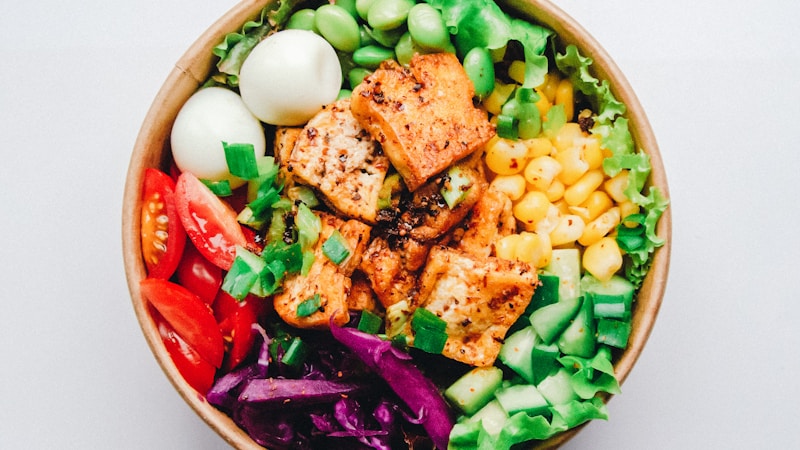
While hair health vitamins can provide valuable nutritional support, they work best as part of a comprehensive approach to hair wellness. A balanced diet rich in protein, healthy fats, and colorful fruits and vegetables provides the foundation for healthy hair growth.
Stay hydrated by drinking plenty of water throughout the day, as dehydration can affect hair texture and growth. Manage stress through regular exercise, adequate sleep, and relaxation techniques, as chronic stress can significantly impact hair health and may even lead to temporary hair loss conditions.
Be gentle with your hair care routine. Avoid excessive heat styling, harsh chemicals, and tight hairstyles that can cause breakage. Use a wide-tooth comb on wet hair, and consider protective styles when sleeping. Regular scalp massage may help improve circulation and create a healthy environment for hair growth.
Protect your hair from environmental damage by wearing hats in strong sun and using products with UV protection. Chlorine from swimming pools can be particularly damaging, so rinse your hair immediately after swimming and consider using a leave-in conditioner for extra protection.
Recommended Products
To support your wellness journey, consider these helpful products:
Final Thoughts
Investing in your hair health through proper nutrition and targeted supplementation is an investment in your overall well-being and confidence. While hair health vitamins can provide valuable support, remember that beautiful, healthy hair is the result of consistent care, proper nutrition, and patience. Every woman’s hair journey is unique, and what works best for you may require some experimentation and time. Focus on nourishing your body from the inside out, be gentle with your hair care practices, and celebrate the small improvements along the way. With dedication and the right approach, you can support your hair’s natural beauty and strength for years to come.