
Your hair is often considered your crowning glory, and maintaining its health goes far beyond the products you apply externally. The foundation of beautiful, strong hair begins from within, through proper nutrition and overall wellness. Many women struggle with hair concerns like thinning, breakage, or lack of luster, often unaware that these issues may stem from nutritional deficiencies or lifestyle factors. Understanding which nutrients support hair health and how to incorporate them into your daily routine can make a significant difference in your hair’s appearance and strength. Let’s explore the essential vitamins and minerals that can help you achieve the healthy, vibrant hair you deserve.
The Science Behind Nutritional Hair Health
Hair follicles are among the most active cells in your body, requiring a constant supply of nutrients to function optimally. Each strand of hair is essentially composed of a protein called keratin, which means your hair’s health is directly influenced by your protein intake and overall nutritional status.
When your body lacks essential nutrients, it prioritizes vital organs over hair growth, often leading to hair that appears dull, brittle, or grows more slowly than usual. This is why crash diets or periods of poor nutrition often result in noticeable changes to hair quality.
Research shows that certain vitamins and minerals play crucial roles in the hair growth cycle, which consists of three phases: anagen (growth), catagen (transition), and telogen (resting). Disruptions in this cycle due to nutritional deficiencies can lead to increased shedding, slower growth, or changes in hair texture. Understanding this connection empowers you to make informed decisions about your nutrition and lifestyle choices.
Key Vitamins That Support Hair Wellness
Several vitamins are particularly important for maintaining healthy hair. Biotin, also known as vitamin B7, is perhaps the most well-known hair vitamin. It helps produce keratin and can support hair strength and thickness. However, true biotin deficiency is relatively rare in developed countries.
Vitamin D plays a crucial role in hair follicle health and the hair growth cycle. Many women have insufficient vitamin D levels, especially those who spend limited time in sunlight or live in northern climates. Vitamin C is essential for collagen production and helps your body absorb iron, another critical nutrient for hair health.
The B-vitamin complex, including B12, folate, and niacin, supports healthy cell division and can influence hair growth. Vitamin A helps produce sebum, the natural oil that keeps your scalp healthy, though it’s important not to exceed recommended doses as too much vitamin A can actually cause hair loss.
Vitamin E acts as an antioxidant, protecting hair follicles from oxidative stress that can damage hair structure and impede growth.
Essential Minerals for Strong, Healthy Hair
Minerals are equally important as vitamins for hair health. Iron deficiency is one of the most common nutritional deficiencies worldwide, particularly among women of reproductive age. Low iron levels can lead to hair thinning and increased shedding, as iron helps red blood cells carry oxygen to hair follicles.
Zinc plays multiple roles in hair health, including supporting hair tissue growth and repair, and helping maintain the oil glands around hair follicles. Zinc deficiency can lead to hair loss and slow growth, though it’s important to maintain proper balance as too much zinc can also cause problems.
Selenium works as an antioxidant, protecting hair from environmental damage, while silica supports hair strength and shine. Copper helps with melanin production, which gives hair its natural color, and also supports collagen and elastin production.
Magnesium is involved in over 300 enzymatic reactions in the body and supports protein synthesis, which is crucial for hair structure. Many women don’t get enough magnesium from their diets alone.
Nutrition-Rich Foods for Hair Health
The best approach to supporting hair health is through a balanced, nutrient-rich diet. Protein-rich foods like eggs, fish, lean meats, legumes, and nuts provide the building blocks for strong hair. Eggs are particularly beneficial as they contain biotin, protein, and other B vitamins.
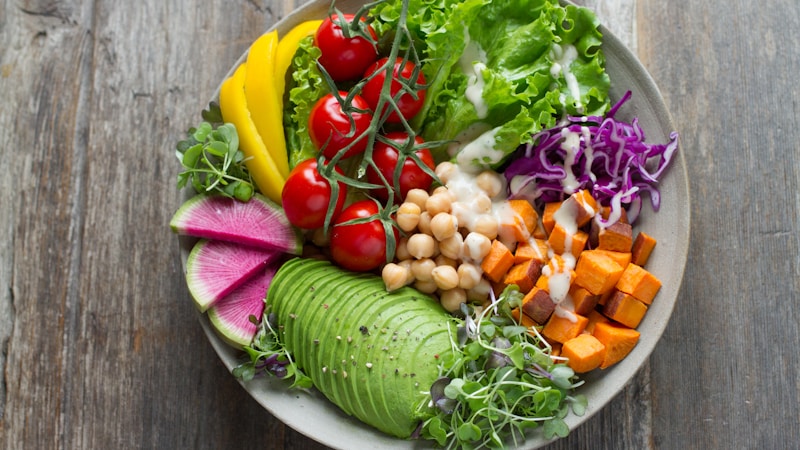
Leafy green vegetables like spinach and kale are excellent sources of iron, folate, and vitamin A. Sweet potatoes provide beta-carotene, which converts to vitamin A, while berries offer vitamin C and antioxidants that protect hair follicles.
Fatty fish such as salmon, mackerel, and sardines provide omega-3 fatty acids that support scalp health and add shine to hair. Avocados offer healthy fats and vitamin E, while nuts and seeds provide zinc, selenium, and vitamin E.
Whole grains supply B vitamins and iron, while colorful vegetables and fruits provide a variety of vitamins and antioxidants that support overall health and, by extension, hair health. Greek yogurt offers protein and probiotics that support nutrient absorption.
Lifestyle Factors That Impact Hair Health
Beyond nutrition, several lifestyle factors significantly influence hair health. Chronic stress can disrupt the hair growth cycle, leading to increased shedding or slower growth. Managing stress through meditation, exercise, adequate sleep, or other stress-reduction techniques can positively impact your hair.
Sleep quality affects hormone production and cellular repair processes that are crucial for hair growth. Aim for 7-9 hours of quality sleep nightly to support your body’s natural healing and growth processes.
Hydration plays a vital role in hair health, as hair shafts are about 25% water. Drinking adequate water helps maintain hair moisture and supports nutrient transport to hair follicles.
Excessive heat styling, tight hairstyles, and harsh chemical treatments can damage hair structure and lead to breakage. Gentle hair care practices, including using heat protectants and giving your hair regular breaks from styling, can help maintain hair integrity.
Regular exercise improves circulation, including blood flow to the scalp, which can support hair growth. However, remember to cleanse your scalp after workouts to prevent buildup that could clog follicles.
Recommended Products
To support your wellness journey, consider these helpful products:
Final Thoughts
Achieving healthy, beautiful hair is a journey that begins from within. While genetics play a role in your hair’s characteristics, providing your body with proper nutrition and maintaining healthy lifestyle habits can significantly impact your hair’s strength, growth, and appearance. Remember that hair growth is a slow process, and it may take several months to see noticeable improvements from nutritional changes. Focus on consistency rather than quick fixes, and consider consulting with a healthcare provider or registered dietitian if you have concerns about hair loss or nutritional deficiencies. By nourishing your body with essential vitamins and minerals while maintaining healthy lifestyle practices, you’re investing in not just your hair health, but your overall wellness and confidence.