
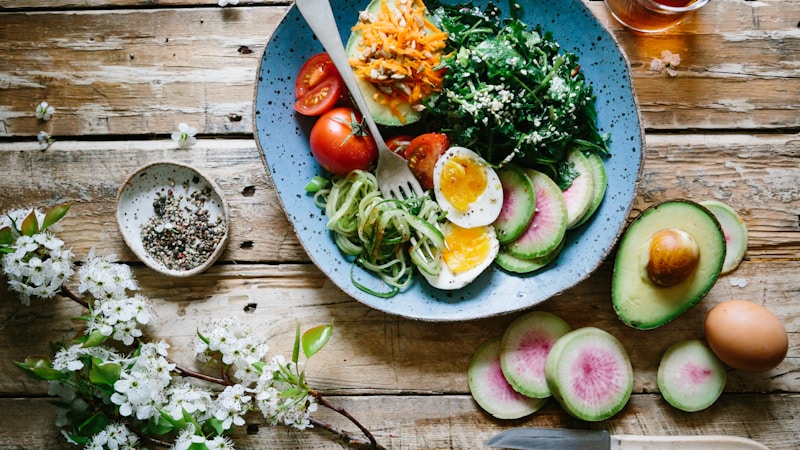
Navigating nutrition as a woman can feel overwhelming with conflicting advice everywhere you turn. Your nutritional needs are unique and evolve throughout different life stages – from adolescence through menopause and beyond. The good news? With the right knowledge and approach, you can create sustainable eating habits that support your health goals and make you feel energized every day. This comprehensive guide offers practical, science-backed nutrition advice specifically tailored for women, helping you understand what your body needs and how to nourish it effectively.
Understanding Women’s Unique Nutritional Needs
Women have distinct nutritional requirements that differ significantly from men due to biological factors like menstruation, pregnancy potential, and hormonal fluctuations. Your body composition, metabolism, and nutrient absorption rates all play crucial roles in determining what you need to thrive.
Iron stands out as perhaps the most critical nutrient for women of reproductive age. Monthly menstrual cycles create ongoing iron losses that must be replenished through diet. Women need 18mg of iron daily compared to just 8mg for men. However, iron needs vary dramatically – pregnant women require 27mg daily, while postmenopausal women need only 8mg.
Calcium and vitamin D work together as a powerhouse duo for bone health. Women reach peak bone mass around age 30, making adequate intake crucial during younger years. After menopause, declining estrogen levels accelerate bone loss, making these nutrients even more vital. Aim for 1,000mg of calcium daily (1,200mg after age 50) and 600-800 IU of vitamin D.
Folate deserves special attention for women of childbearing age. This B vitamin prevents neural tube defects and supports healthy cell division. Whether you’re planning a pregnancy or not, consuming 400mcg daily through fortified foods or supplements provides crucial protection.
Omega-3 fatty acids support heart health, brain function, and may help reduce menstrual cramps. These healthy fats also play important roles during pregnancy for fetal brain development. Include fatty fish, walnuts, flax seeds, or chia seeds in your regular rotation.
Fueling Your Body Through Different Life Stages
Your nutritional needs aren’t static – they shift dramatically as you move through different phases of life. Understanding these changes helps you adapt your eating patterns accordingly.
During your teens and twenties, focus on building strong nutritional foundations. This period involves rapid growth, establishing peak bone mass, and often irregular eating patterns due to busy schedules. Prioritize protein for muscle development, calcium for bone strength, and iron to support increased blood volume. Don’t skip meals, even when life gets hectic – your body is still developing and needs consistent fuel.
Your thirties and forties often bring new challenges like career demands, family responsibilities, and the beginning of metabolic changes. Many women experience increased stress levels during this phase, making nutrient-dense foods even more important. Focus on antioxidant-rich foods to combat stress-related cellular damage, and maintain protein intake to preserve muscle mass as metabolism begins to slow.
Pregnancy and breastfeeding create dramatically increased nutritional demands. Your calorie needs increase by about 300 daily during pregnancy and 500 while breastfeeding. Key nutrients include folate for neural development, iron for increased blood volume, calcium for fetal bone formation, and omega-3s for brain development. Work closely with your healthcare provider to ensure adequate intake through both food and appropriate supplementation.
Perimenopause and menopause bring hormonal shifts that affect everything from metabolism to bone density. Many women experience weight gain around the midsection due to changing hormone levels and decreased muscle mass. Focus on lean proteins to maintain muscle, calcium and vitamin D for bone health, and fiber-rich foods to support digestive health and weight management. Phytoestrogens found in soy foods, flax seeds, and legumes may help manage some menopausal symptoms.
Building Balanced Meals That Work for Your Lifestyle
Creating nutritious meals doesn’t require complicated recipes or expensive ingredients – it’s about understanding basic principles and adapting them to your real life. The plate method offers a simple framework: fill half your plate with vegetables and fruits, one quarter with lean protein, and one quarter with whole grains or starchy vegetables.
Start with protein as your meal’s foundation. Protein supports muscle maintenance, helps stabilize blood sugar, and keeps you feeling satisfied longer. Excellent options include lean meats, poultry, fish, eggs, dairy products, legumes, nuts, and seeds. Aim for 20-30 grams of protein per meal, adjusting based on your activity level and body size.
Vegetables should be the star of your plate, providing essential vitamins, minerals, fiber, and antioxidants while keeping calories in check. Vary your choices throughout the week – dark leafy greens for folate and iron, orange vegetables for beta-carotene, and cruciferous vegetables for cancer-fighting compounds. Frozen vegetables are just as nutritious as fresh and often more convenient for busy schedules.
Choose complex carbohydrates that provide sustained energy rather than quick spikes and crashes. Whole grains, sweet potatoes, quinoa, and legumes offer fiber, B vitamins, and steady glucose release. These foods help maintain stable energy levels throughout the day and support digestive health.
Healthy fats play crucial roles in hormone production, nutrient absorption, and satiety. Include sources like avocados, nuts, seeds, olive oil, and fatty fish. These fats help your body absorb fat-soluble vitamins (A, D, E, and K) and provide essential fatty acids your body can’t manufacture.
Meal prep can be your secret weapon for maintaining good nutrition despite a hectic schedule. Dedicate a few hours weekly to washing and chopping vegetables, cooking grains in batches, and preparing proteins. Having these components ready makes assembling nutritious meals quick and effortless throughout the week.
Addressing Common Women’s Health Concerns Through Nutrition
Many health challenges that disproportionately affect women can be supported through targeted nutritional strategies. While food isn’t medicine, the right eating patterns can complement medical treatment and support overall wellness.
Iron deficiency anemia affects about 20% of women of reproductive age. Beyond increasing iron-rich foods like lean red meat, poultry, fish, and legumes, focus on absorption enhancers. Vitamin C significantly improves iron absorption – pair iron-rich foods with citrus fruits, bell peppers, or strawberries. Conversely, calcium, coffee, and tea can inhibit iron absorption, so separate these from iron-rich meals when possible.
Bone health concerns many women, especially as they age. While calcium gets most attention, bone health requires multiple nutrients working together. Vitamin K found in leafy greens helps direct calcium to bones, magnesium supports bone structure, and protein provides the matrix for bone formation. Weight-bearing exercise alongside proper nutrition creates the strongest bone protection.
Hormonal fluctuations can affect everything from mood to energy levels. Complex carbohydrates help stabilize serotonin production, potentially reducing PMS symptoms and supporting better mood regulation. Omega-3 fatty acids may help reduce menstrual cramps and support overall hormonal balance.
Digestive issues like bloating and irregular bowel movements commonly affect women. Gradually increase fiber intake through fruits, vegetables, and whole grains while ensuring adequate water consumption. Probiotic foods like yogurt, kefir, and fermented vegetables support healthy gut bacteria, which influences everything from immune function to mood regulation.
Cardiovascular disease remains the leading cause of death among women, yet it’s often considered a ‘man’s disease.’ Heart-healthy eating patterns emphasize fruits, vegetables, whole grains, lean proteins, and healthy fats while limiting processed foods, excess sodium, and added sugars. The Mediterranean dietary pattern has strong evidence for cardiovascular protection.
Practical Tips for Sustainable Healthy Eating
Sustainable nutrition changes happen gradually through small, consistent actions rather than dramatic overhauls. Focus on progress, not perfection, as you develop healthier eating habits that fit your lifestyle.
Start with one meal at a time rather than trying to revolutionize your entire diet overnight. Many women find breakfast the easiest meal to improve first. Include protein, fiber, and healthy fats to create stable energy for the morning ahead. Greek yogurt with berries and nuts, eggs with vegetables, or oatmeal topped with seeds provide excellent foundations.
Hydration often gets overlooked but significantly impacts energy, skin health, and overall wellness. Aim for about 8 cups of fluid daily, adjusting for activity level and climate. Water is ideal, but herbal teas, sparkling water, and water-rich foods like fruits and vegetables all contribute to hydration goals.
Plan for challenging situations before they arise. Keep nutritious snacks available for busy days – nuts, seeds, fruit, or yogurt prevent emergency vending machine raids. When eating out, review menus online beforehand and don’t be afraid to make modifications like requesting dressing on the side or substituting vegetables for fries.
Listen to your body’s hunger and fullness cues rather than relying solely on external rules about when and how much to eat. Eat when genuinely hungry and stop when comfortably satisfied. This intuitive approach helps maintain a healthy relationship with food while supporting natural weight regulation.
Remember that perfection isn’t the goal – consistency over time creates lasting change. If you have a day of less-than-ideal eating, simply return to your healthy patterns at the next meal rather than abandoning your efforts entirely. Every nutritious choice you make benefits your health, regardless of what happened previously.
Recommended Products
To support your wellness journey, consider these helpful products:
Final Thoughts
Taking charge of your nutrition is one of the most empowering steps you can take for your long-term health and vitality. Remember that optimal nutrition looks different for every woman and changes throughout your life journey. Focus on nourishing your body with nutrient-dense foods, staying consistent with healthy habits, and being patient with yourself as you make sustainable changes. By understanding your unique nutritional needs and implementing practical strategies that fit your lifestyle, you’re investing in your health today and for years to come. Your future self will thank you for the care and attention you give your body through thoughtful nutrition choices.