
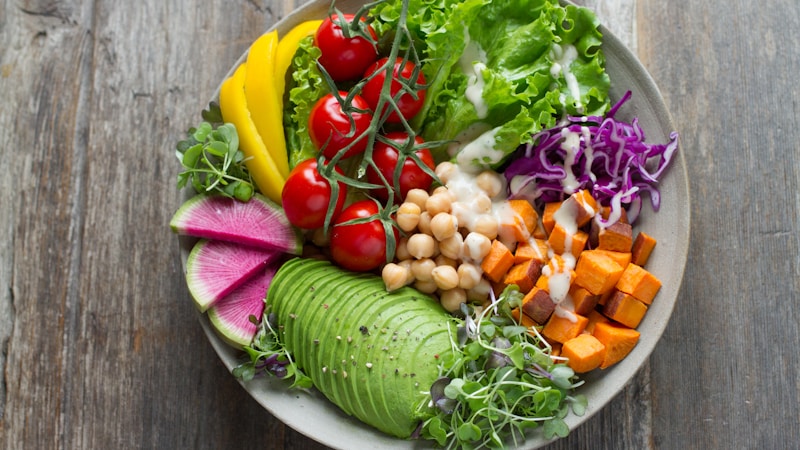
Pregnancy is an incredible journey that brings both excitement and questions about how to best nourish your growing baby. The food choices you make during these transformative nine months play a crucial role in supporting your baby’s development while maintaining your own health and energy levels. With so much conflicting information available, it can feel overwhelming to know what’s truly beneficial. This comprehensive guide provides evidence-based nutrition advice specifically tailored for expectant mothers, helping you make informed decisions about your diet during this special time. From essential nutrients to practical meal planning tips, we’ll explore everything you need to know to fuel a healthy pregnancy.
Key Nutrients Your Body Needs During Pregnancy
During pregnancy, your nutritional needs increase significantly to support both your changing body and your developing baby. Understanding which nutrients are most important can help you prioritize your food choices and ensure you’re getting adequate nourishment.
Folic acid stands as one of the most critical nutrients, especially during early pregnancy. This B vitamin helps prevent neural tube defects and supports the rapid cell division occurring in your growing baby. Aim for 600-800 micrograms daily through leafy greens, fortified cereals, and citrus fruits, alongside your prenatal supplement.
Iron requirements nearly double during pregnancy to support increased blood volume and prevent anemia. Include iron-rich foods like lean meats, beans, spinach, and fortified cereals in your daily meals. Pairing these with vitamin C-rich foods like bell peppers or strawberries can enhance iron absorption.
Calcium becomes essential for building your baby’s bones and teeth while maintaining your own bone health. Dairy products, fortified plant-based milks, sardines, and dark leafy greens are excellent sources. You’ll need about 1,000 milligrams daily throughout pregnancy.
Omega-3 fatty acids, particularly DHA, support your baby’s brain and eye development. Include fatty fish like salmon or sardines twice weekly, or consider walnuts, chia seeds, and flaxseeds if you follow a plant-based diet.
Building Balanced Meals Throughout Each Trimester
Your nutritional needs and appetite will likely change as your pregnancy progresses, making it important to adapt your eating patterns accordingly while maintaining balanced nutrition.
During the first trimester, morning sickness may affect your food choices and intake. Focus on eating small, frequent meals and choose foods that appeal to you while still providing nutrition. Bland carbohydrates like crackers or toast can help settle your stomach, while protein-rich snacks like nuts or cheese can help maintain energy levels. Don’t worry if your diet isn’t perfect during this phase – do your best and remember that prenatal vitamins help fill nutritional gaps.
The second trimester often brings renewed appetite and energy. This is an ideal time to focus on nutrient-dense whole foods. Build meals around lean proteins, colorful vegetables, whole grains, and healthy fats. A typical day might include oatmeal with berries and nuts for breakfast, a quinoa salad with vegetables and chicken for lunch, and salmon with roasted vegetables and sweet potato for dinner.
During the third trimester, as your baby grows larger, you may find smaller, more frequent meals more comfortable. Continue emphasizing nutrient density, as your baby is rapidly gaining weight and developing. Include plenty of protein for tissue growth, complex carbohydrates for energy, and calcium-rich foods for bone development.
Throughout all trimesters, aim to fill half your plate with fruits and vegetables, one quarter with lean protein, and one quarter with whole grains. This visual guide helps ensure balanced nutrition without complicated meal planning.
Foods to Embrace and Foods to Limit
Making informed food choices during pregnancy involves both embracing nutrient-rich options and being mindful of foods that may pose risks to you and your developing baby.
Embrace colorful, whole foods that provide maximum nutritional value. Dark leafy greens like spinach and kale offer folate, iron, and fiber. Colorful fruits and vegetables provide antioxidants, vitamins, and minerals essential for healthy development. Lean proteins such as poultry, fish, eggs, beans, and tofu support tissue growth and development. Whole grains like quinoa, brown rice, and oats provide sustained energy and important B vitamins.
Dairy products and fortified alternatives supply calcium and protein, while healthy fats from avocados, nuts, seeds, and olive oil support brain development and help you absorb fat-soluble vitamins. Don’t forget about hydration – aim for 8-10 glasses of water daily to support increased blood volume and prevent constipation.
Certain foods require limitation or avoidance during pregnancy for safety reasons. Raw or undercooked meats, eggs, and seafood may harbor harmful bacteria. High-mercury fish like shark, swordfish, and king mackerel should be avoided, while limiting other fish to 2-3 servings weekly of low-mercury options.
Unpasteurized dairy products and soft cheeses may contain listeria, which can be dangerous during pregnancy. Limit caffeine to 200mg daily (about one 12-oz cup of coffee) and avoid alcohol completely, as no safe level has been established during pregnancy.
While these restrictions may seem extensive, focus on the abundance of nutritious foods you can enjoy rather than dwelling on limitations.
Managing Common Pregnancy-Related Digestive Issues
Pregnancy hormones and your growing baby can affect your digestive system, but strategic nutrition choices can help alleviate common discomforts and keep you feeling your best.
Nausea and morning sickness affect many women, especially during the first trimester. Keep crackers or dry cereal by your bedside to eat before getting up, as low blood sugar can worsen nausea. Ginger has been shown to help reduce pregnancy nausea – try ginger tea, crystallized ginger, or ginger capsules. Cold foods may be more appealing than hot foods when you’re feeling queasy, and bland, easily digestible options like bananas, rice, or toast can provide gentle nutrition.
Heartburn becomes increasingly common as pregnancy progresses and your growing uterus puts pressure on your stomach. Eat smaller, more frequent meals rather than three large ones, and avoid lying down immediately after eating. Limit spicy, fatty, or acidic foods if they trigger symptoms, and try eating your largest meal earlier in the day when digestion is typically more efficient.
Constipation affects many pregnant women due to hormonal changes and prenatal vitamins. Increase fiber intake gradually through fruits, vegetables, whole grains, and legumes, and ensure adequate water intake to help fiber work effectively. Regular physical activity, as approved by your healthcare provider, can also support healthy digestion.
If you experience severe or persistent digestive issues, don’t hesitate to discuss them with your healthcare provider, who may suggest safe remedies or adjustments to your prenatal vitamins.
Meal Planning and Preparation Strategies for Busy Expectant Mothers
Maintaining good nutrition during pregnancy can feel challenging when you’re dealing with fatigue, changing appetites, and a busy schedule. Smart meal planning and preparation strategies can help ensure you’re consistently nourishing yourself and your baby.
Start with simple meal planning by choosing one day each week to plan your meals and snacks. Focus on recipes that use similar ingredients to minimize shopping complexity and food waste. Prepare a grocery list organized by store sections to make shopping more efficient, and don’t hesitate to use grocery pickup or delivery services when you’re feeling tired.
Batch cooking can be a game-changer during pregnancy and beyond. On days when you have energy, prepare larger quantities of foods that freeze well, such as soups, stews, casseroles, and cooked grains. Wash and chop vegetables when you bring them home from the store, making them ready for quick meal assembly.
Stock your kitchen with pregnancy-friendly convenience foods for days when cooking feels overwhelming. Keep frozen vegetables, canned beans, whole grain crackers, nut butters, and pre-cooked proteins like rotisserie chicken on hand for quick, nutritious meals.
Prepare simple snacks in advance to maintain stable blood sugar levels throughout the day. Trail mix, cut vegetables with hummus, cheese and crackers, or homemade energy balls can provide quick nutrition when hunger strikes.
Remember that perfect is the enemy of good – focus on progress, not perfection. Some days you’ll eat exceptionally well, while others might involve more convenience foods, and that’s completely normal and acceptable during pregnancy.
Recommended Products
To support your wellness journey, consider these helpful products:
Final Thoughts
Nourishing yourself during pregnancy doesn’t have to be complicated or stressful. By focusing on nutrient-dense whole foods, staying hydrated, and listening to your body’s changing needs, you’re providing the best foundation for your baby’s development and your own wellbeing. Remember that every pregnancy is unique, and what works for others may need to be adapted for your specific situation. Don’t hesitate to work with your healthcare provider or a registered dietitian who specializes in prenatal nutrition if you have specific concerns or dietary restrictions. Most importantly, be patient and kind with yourself as you navigate this incredible journey. Small, consistent choices toward better nutrition will benefit both you and your growing baby, creating healthy habits that will serve your family well beyond pregnancy.