
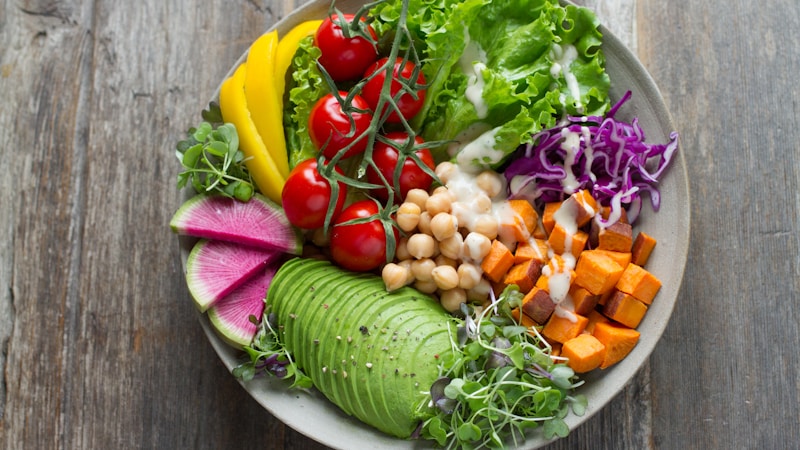
Are you tired of reaching for that third cup of coffee just to make it through the afternoon? You’re not alone. Many women struggle with energy dips throughout the day, often due to hormonal fluctuations, busy lifestyles, and nutritional gaps. The good news is that nature provides incredible energy-boosting foods specifically beneficial for women’s unique nutritional needs. By incorporating the right foods into your daily routine, you can naturally enhance your vitality, support your body’s energy production, and feel more vibrant throughout the day. Let’s explore how strategic nutrition can become your secret weapon against fatigue.
Understanding Women’s Unique Energy Needs
Women’s bodies have distinct nutritional requirements that directly impact energy levels. Monthly hormonal fluctuations, iron needs due to menstruation, and different metabolic patterns all play crucial roles in how we experience energy throughout the day.
Iron deficiency is particularly common among women of reproductive age, leading to fatigue and decreased cognitive function. Additionally, women require more folate and certain B vitamins to support energy metabolism. Understanding these unique needs is the first step toward choosing foods that work with your body’s natural rhythms.
The key lies in selecting nutrient-dense foods that provide sustained energy rather than quick fixes that lead to crashes. Complex carbohydrates, lean proteins, healthy fats, and specific vitamins and minerals work together to fuel your body efficiently and maintain steady energy levels throughout the day.
Iron-Rich Powerhouses for Sustained Energy
Iron is essential for transporting oxygen throughout your body, and insufficient levels can leave you feeling exhausted regardless of how much sleep you get. Incorporating iron-rich foods into your diet can significantly impact your energy levels.
Lean red meat, poultry, and fish are excellent sources of heme iron, which is easily absorbed by the body. For plant-based options, consider lentils, chickpeas, spinach, and pumpkin seeds. These foods provide non-heme iron that, when paired with vitamin C-rich foods like citrus fruits or bell peppers, becomes more readily available to your body.
Dark leafy greens deserve special attention as they’re nutritional powerhouses. Kale, Swiss chard, and spinach not only provide iron but also deliver folate and magnesium – minerals crucial for energy production at the cellular level. Try incorporating a handful of spinach into your morning smoothie or enjoying a colorful salad with mixed greens for lunch.
Remember that certain foods can inhibit iron absorption, such as coffee and tea when consumed with meals. Consider timing your caffeine intake between meals rather than during them to maximize iron uptake from your food.
Complex Carbohydrates: Your Brain’s Best Friend
Contrary to popular diet trends, carbohydrates are not the enemy – they’re your brain’s preferred fuel source. The key is choosing complex carbohydrates that provide steady energy release rather than simple sugars that cause energy spikes and crashes.
Quinoa stands out as a complete protein grain that also provides sustained energy. It contains all nine essential amino acids and offers a perfect balance of carbohydrates and protein. Similarly, oats are rich in beta-glucan fiber, which slows digestion and provides steady glucose release into your bloodstream.
Sweet potatoes are another excellent choice, packed with complex carbohydrates, vitamin A, and potassium. They help stabilize blood sugar levels while providing lasting energy. Try roasted sweet potato cubes in your salads or as a side dish.
Brown rice, whole grain pasta, and ancient grains like farro and bulgur wheat offer sustained energy while providing important B vitamins necessary for energy metabolism. These foods help prevent the afternoon energy crash that often accompanies refined carbohydrate consumption.
Protein Partners for Stable Blood Sugar
Protein plays a crucial role in maintaining stable blood sugar levels and preventing energy crashes. Including quality protein sources at each meal helps slow the absorption of carbohydrates and provides amino acids necessary for neurotransmitter production.
Eggs are incredibly versatile and provide complete protein along with choline, which supports brain function. Greek yogurt offers probiotics for gut health alongside protein, and when paired with berries, creates a perfect energy-sustaining snack.
Nuts and seeds are portable protein sources that also provide healthy fats and minerals. Almonds, walnuts, chia seeds, and hemp seeds can be easily incorporated into meals or enjoyed as snacks. They provide sustained energy and help curb cravings that might lead to poor food choices.
Legumes like black beans, lentils, and chickpeas offer plant-based protein combined with fiber and complex carbohydrates. This combination provides steady energy release and helps maintain stable blood sugar levels throughout the day.
For those who include fish in their diet, salmon, sardines, and other fatty fish provide protein along with omega-3 fatty acids that support brain health and may help combat fatigue.
Energizing Superfoods and Smart Snacking
Certain foods pack such powerful nutritional punches that they deserve superfood status when it comes to boosting energy naturally. Incorporating these foods strategically throughout your day can make a significant difference in how you feel.
Dark chocolate (70% cacao or higher) contains natural compounds that can improve focus and provide a gentle energy boost without the jitters associated with caffeine. It also provides magnesium, which many women lack in their diets.
Bananas are nature’s energy bars, providing natural sugars, potassium, and vitamin B6. They’re perfect pre or post-workout snacks and can help prevent muscle cramps while supporting energy production.
Avocados offer healthy monounsaturated fats that help with nutrient absorption and provide sustained energy. They’re also rich in folate and potassium, supporting overall energy metabolism.
Green tea provides a gentler caffeine boost compared to coffee, along with L-theanine, an amino acid that promotes calm alertness. This combination can help improve focus without causing energy crashes.
When it comes to snacking, timing and combination matter. Pair carbohydrates with protein or healthy fats to maintain steady blood sugar. Try apple slices with almond butter, Greek yogurt with berries, or hummus with vegetable sticks for sustained energy between meals.
Recommended Products
To support your wellness journey, consider these helpful products:
Final Thoughts
Fueling your body with the right energy-boosting foods is one of the most powerful steps you can take toward feeling more vibrant and energetic. Remember that sustainable energy comes from consistent, balanced nutrition rather than quick fixes. Start by incorporating one or two new foods from each category into your weekly routine, and pay attention to how your body responds. Every woman’s nutritional needs are unique, so listen to your body and adjust accordingly. With patience and consistency, these natural energy boosters can help you reclaim your vitality and feel your best throughout every day. Your journey to sustained energy starts with your next meal – make it count!