
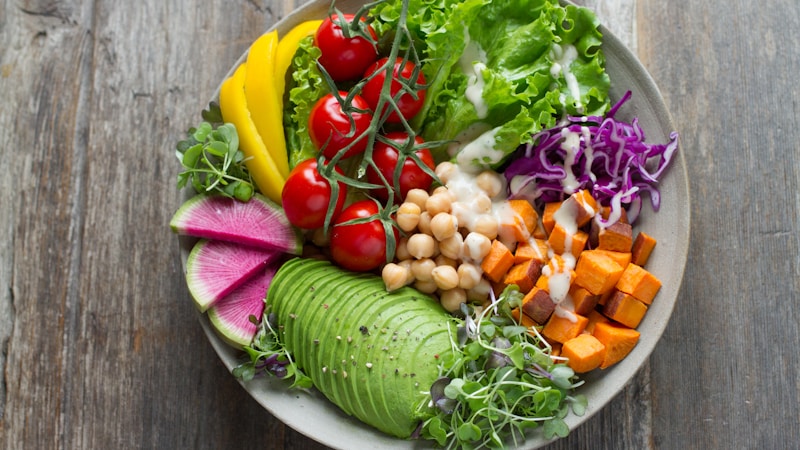
Maintaining optimal health as a woman involves many factors, and proper nutrition is at the foundation of wellness. While a balanced diet should always be the primary source of nutrients, nutritional supplements women take can help bridge gaps and support specific health needs throughout different life stages. From reproductive health to bone strength, energy levels to immune function, the right supplements can be valuable allies in your wellness journey. Understanding which nutrients your body may need most can empower you to make informed decisions about your health and feel your absolute best.
Why Women Have Unique Nutritional Needs
Women’s bodies undergo remarkable changes throughout their lives, creating distinct nutritional requirements that differ significantly from men’s needs. Monthly menstrual cycles, pregnancy, breastfeeding, and menopause all place unique demands on the female body, often requiring additional nutritional support.
During reproductive years, women lose iron through menstruation, making them more susceptible to iron deficiency. The increased need for folate during childbearing years, calcium for bone health, and specific nutrients to support hormonal balance all contribute to why a one-size-fits-all approach to nutrition simply doesn’t work.
Factors like smaller body size, different metabolism rates, and varying activity levels also influence how women process and utilize nutrients. Additionally, societal pressures and busy lifestyles can sometimes lead to dietary gaps, making strategic supplementation a practical consideration for maintaining optimal health.
Understanding these unique needs is the first step toward creating a personalized approach to wellness that honors your body’s specific requirements at every stage of life.
Essential Daily Supplements for Women’s Health
Several key nutrients consistently emerge as important for women’s overall health and wellbeing. A high-quality multivitamin designed specifically for women can serve as an excellent foundation, providing essential vitamins and minerals in appropriate ratios.
Folic acid, or folate, deserves special attention as it supports cellular function and is crucial for women of childbearing age. The recommended daily amount helps support healthy DNA synthesis and may reduce the risk of certain birth defects if pregnancy occurs.
Iron is another critical nutrient, particularly for pre-menopausal women. Since women lose iron through menstruation, supplementation may be beneficial, though it’s important to have iron levels tested first, as too much iron can be harmful.
Calcium and vitamin D work together as a powerful team for bone health. Women begin losing bone density in their thirties, making these nutrients essential for maintaining strong bones throughout life. Vitamin D also supports immune function and mood regulation.
Omega-3 fatty acids, particularly EPA and DHA, support heart health, brain function, and may help reduce inflammation. These essential fats are often under-consumed in typical Western diets, making supplementation a valuable consideration.
B-complex vitamins, especially B12, support energy metabolism and nervous system function. Women following plant-based diets may be particularly at risk for B12 deficiency.
Life Stage-Specific Nutritional Support
Women’s nutritional needs evolve significantly throughout different life stages, making it important to adjust supplementation accordingly.
During the reproductive years, typically ages 15-45, iron and folate take center stage. Women in this age group should focus on maintaining adequate iron stores to combat monthly losses and ensure sufficient folate for potential pregnancy. Magnesium can be particularly helpful for managing PMS symptoms and supporting overall hormonal balance.
Pregnancy and breastfeeding create dramatically increased nutritional demands. Prenatal vitamins are specifically formulated to meet these heightened needs, typically containing higher amounts of folate, iron, and calcium. Choline becomes especially important during this time for fetal brain development, though it’s often overlooked.
The perimenopausal and menopausal years, usually beginning in the forties, bring their own set of challenges. As estrogen levels decline, bone density can decrease rapidly, making calcium and vitamin D supplementation even more critical. Some women find that phytoestrogen-rich supplements like those containing soy isoflavones may help with menopausal symptoms, though individual responses vary.
Older women may benefit from increased attention to vitamin B12 absorption, as stomach acid production often decreases with age, making it harder to extract this vitamin from food sources. Coenzyme Q10 and antioxidants like vitamin E and C become increasingly important for cellular health and protection against age-related changes.
Choosing Quality Supplements and Safe Practices
Not all nutritional supplements are created equal, making informed selection crucial for both safety and effectiveness. Look for products that have been third-party tested for purity and potency, as this provides an additional layer of quality assurance.
Pay attention to the form of nutrients in supplements, as some are more easily absorbed than others. For example, iron bisglycinate is often gentler on the stomach than iron sulfate, and methylated B vitamins may be better utilized by some individuals.
Timing can significantly impact supplement effectiveness. Fat-soluble vitamins (A, D, E, and K) are best taken with meals containing healthy fats, while some minerals like calcium and iron can compete for absorption when taken together.
It’s essential to read labels carefully and be aware of potential interactions with medications. Some supplements can enhance or diminish the effects of prescription drugs, making communication with healthcare providers vital.
Start with basic, well-researched supplements rather than exotic or trendy options. Focus on addressing known deficiencies or supporting specific health goals rather than taking numerous supplements without clear purpose.
Remember that more isn’t always better when it comes to supplementation. Some nutrients can be harmful in excessive amounts, and a targeted approach is typically more effective than a kitchen-sink strategy.
Integrating Supplements with a Healthy Lifestyle
While nutritional supplements can be valuable tools for supporting women’s health, they work best as part of a comprehensive wellness approach that includes proper nutrition, regular physical activity, adequate sleep, and stress management.
A varied, nutrient-dense diet should always remain the foundation of good nutrition. Supplements are meant to complement, not replace, healthy eating habits. Focus on incorporating plenty of colorful fruits and vegetables, lean proteins, whole grains, and healthy fats into your daily meals.
Regular exercise not only supports overall health but can also enhance the effectiveness of certain supplements. For example, weight-bearing exercise works synergistically with calcium and vitamin D to maintain bone health.
Stress management is often overlooked but crucial for optimal nutrient utilization. Chronic stress can deplete certain nutrients and interfere with absorption, making relaxation techniques and adequate sleep important components of any wellness plan.
Stay hydrated and consider how your supplement routine fits into your daily schedule. Consistency is key for most nutrients, so finding a sustainable routine that works with your lifestyle increases the likelihood of long-term success.
Regular check-ups with healthcare providers can help monitor the effectiveness of your supplement routine and make adjustments as needed based on lab results and changing health needs.
Recommended Products
To support your wellness journey, consider these helpful products:
Final Thoughts
Taking charge of your nutritional health through strategic supplementation can be an empowering step toward optimal wellness. Remember that every woman’s needs are unique, influenced by age, lifestyle, health status, and individual goals. While nutritional supplements women choose can provide valuable support, they work best as part of a holistic approach to health that includes balanced nutrition, regular exercise, and self-care practices. Consider consulting with a healthcare provider or registered dietitian to develop a personalized plan that addresses your specific needs and supports your journey toward vibrant health and vitality.