
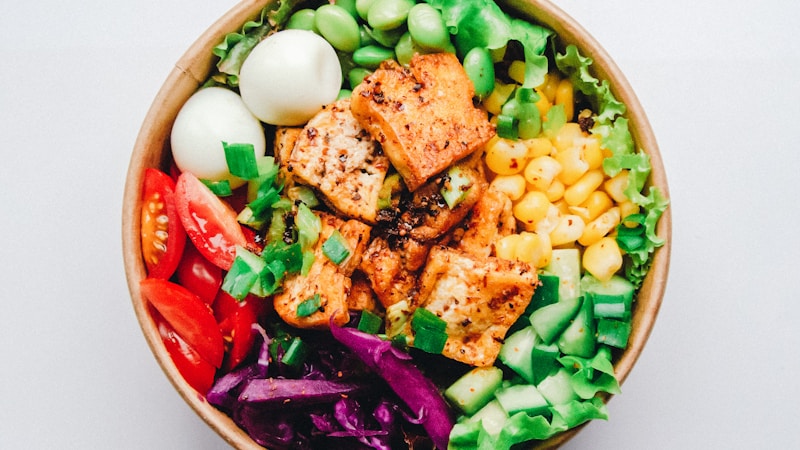
Navigating nutrition as a woman can feel overwhelming with all the conflicting advice out there. Your nutritional needs are unique and change throughout different life stages – from adolescence through menopause and beyond. Whether you’re managing busy work schedules, pregnancy, or simply wanting to feel your best, understanding what your body needs nutritionally is empowering. This comprehensive guide breaks down evidence-based nutrition advice specifically tailored for women, helping you make informed choices that support your health, energy levels, and overall wellness journey.
Understanding Women’s Unique Nutritional Needs
Women have distinct nutritional requirements that differ significantly from men’s, largely due to hormonal fluctuations, menstrual cycles, pregnancy potential, and generally smaller body frames requiring different caloric needs.
Iron stands out as perhaps the most critical nutrient for women of reproductive age. Monthly menstruation increases iron needs to about 18mg daily – nearly double that of men. Iron deficiency can lead to fatigue, weakness, and decreased cognitive function. Focus on incorporating iron-rich foods like lean meats, leafy greens, beans, and fortified cereals into your daily meals.
Calcium and vitamin D work together as a powerhouse duo for bone health. Women reach peak bone mass in their twenties, making adequate intake crucial early on. Aim for 1,000-1,200mg of calcium daily through dairy products, leafy greens, sardines, and fortified plant-based alternatives. Vitamin D enhances calcium absorption, so consider combining calcium-rich meals with brief sun exposure or supplementation when needed.
Folate becomes especially important for women of childbearing age, as adequate levels before conception help prevent neural tube defects. Even if pregnancy isn’t in your immediate plans, maintaining good folate status through leafy greens, legumes, and fortified grains supports overall cellular health and energy production.
Eating for Hormonal Balance Throughout Life Stages
Your hormones orchestrate everything from mood and energy to metabolism and cravings. Supporting hormonal balance through nutrition can help you feel more stable and energetic throughout your monthly cycle and various life transitions.
During your reproductive years, focus on foods that support steady blood sugar levels. Complex carbohydrates like quinoa, sweet potatoes, and oats provide sustained energy without the dramatic spikes and crashes that can worsen PMS symptoms. Omega-3 fatty acids found in salmon, walnuts, and flax seeds may help reduce inflammation and support mood regulation.
The week before your period, your body naturally burns more calories and may crave additional carbohydrates. Honor these cravings mindfully by choosing nutrient-dense options like fruit, whole grains, and starchy vegetables rather than fighting them entirely.
During perimenopause and menopause, estrogen decline affects how your body processes nutrients and stores fat. Protein becomes increasingly important for maintaining muscle mass and supporting metabolism. Aim for 25-30 grams of protein at each meal through sources like Greek yogurt, eggs, lean meats, or plant-based combinations like beans and quinoa.
Phytoestrogens – plant compounds that gently mimic estrogen – may help ease menopausal symptoms for some women. Soy products, flax seeds, and legumes are excellent sources. However, remember that every woman’s experience is unique, and what works for others may not work for you.
Essential Nutrients Women Often Miss
Despite best intentions, certain nutrients commonly fall short in women’s diets. Recognizing these gaps helps you make targeted improvements to support optimal health.
Magnesium deficiency affects up to 75% of women and can contribute to muscle cramps, sleep issues, and increased stress sensitivity. This mineral supports over 300 enzymatic reactions in your body. Dark leafy greens, nuts, seeds, and dark chocolate are delicious ways to boost your intake naturally.
Omega-3 fatty acids, particularly EPA and DHA, support heart health, brain function, and may help reduce inflammation associated with menstrual discomfort. While fatty fish like salmon and sardines are ideal sources, plant-based options include chia seeds, flax seeds, and algae-based supplements for those following vegetarian or vegan diets.
Vitamin B12 becomes increasingly important with age, as stomach acid production decreases, affecting absorption. This vitamin is crucial for energy production and nervous system health. Since B12 occurs naturally almost exclusively in animal products, women following plant-based diets should pay special attention to fortified foods or supplements.
Zinc supports immune function and wound healing, yet many women don’t consume adequate amounts. Oysters provide the highest concentration, but more accessible sources include lean meats, pumpkin seeds, and legumes. Vegetarian women may need to be particularly mindful of zinc intake, as plant-based sources are less readily absorbed.
Practical Meal Planning Strategies for Busy Women
Knowing what to eat is one thing; actually implementing healthy eating habits into a busy lifestyle is another challenge entirely. Successful nutrition doesn’t require perfection – it requires consistency and smart planning.
Start with batch cooking on weekends or your least busy day. Prepare versatile base ingredients like quinoa, roasted vegetables, and protein sources that can be mixed and matched throughout the week. Having these components ready makes assembling nutritious meals quick and effortless.
Create a flexible meal template rather than rigid meal plans. For example: protein + vegetable + healthy carbohydrate + healthy fat. This framework allows variety while ensuring balanced nutrition. A sample might be grilled chicken + roasted broccoli + sweet potato + avocado, or tofu + stir-fried vegetables + brown rice + sesame seeds.
Stock your kitchen with nutrient-dense convenience foods for particularly hectic days. Canned beans, frozen vegetables, pre-cooked quinoa, nuts, and Greek yogurt can form the foundation of quick, healthy meals when fresh cooking isn’t feasible.
Don’t underestimate the power of smoothies for busy mornings. Blend frozen fruits, leafy greens, protein powder, and healthy fats like nut butter for a portable breakfast that covers multiple food groups. Prepare smoothie packs in advance by portioning ingredients into freezer bags.
Hydration often gets overlooked but plays a crucial role in energy levels and overall health. Keep a water bottle visible throughout your day, and consider herbal teas as a flavorful way to increase fluid intake while potentially gaining additional antioxidants.
Building a Sustainable Relationship with Food
Perhaps the most important nutrition advice for women involves developing a healthy, sustainable relationship with food that goes beyond just physical nourishment. Food provides pleasure, social connection, and cultural identity – all important aspects of overall wellness.
Practice intuitive eating by learning to trust your body’s hunger and fullness cues. This means eating when you’re genuinely hungry and stopping when you’re comfortably satisfied. It takes practice to reconnect with these natural signals, especially if you’ve followed restrictive diets in the past.
Move away from ‘good’ and ‘bad’ food labels. While some foods are more nutritionally dense than others, creating moral judgments around food choices often leads to guilt and an unhealthy cycle of restriction and overeating. Instead, think in terms of ‘everyday foods’ and ‘sometimes foods.’
Plan for flexibility in your eating approach. Life includes celebrations, social gatherings, and moments when you simply want to enjoy a favorite treat. Building these experiences into your overall eating pattern, rather than viewing them as failures, supports long-term success and mental well-being.
Pay attention to how different foods make you feel physically and emotionally. Some women feel more energetic with higher protein intake, while others thrive with more carbohydrates. Your optimal eating pattern may look different from your friends’, and that’s perfectly normal.
Consider working with a registered dietitian if you’re managing specific health conditions, have a history of disordered eating, or simply want personalized guidance. Professional support can be invaluable in developing a nutrition approach that truly serves your individual needs and lifestyle.
Recommended Products
To support your wellness journey, consider these helpful products:
Final Thoughts
Your nutrition journey is uniquely yours, and what works best will evolve as you move through different life stages and circumstances. The key is focusing on progress over perfection, consistency over extremes, and nourishment over restriction. Start by implementing one or two changes that feel manageable and sustainable for your current lifestyle. Remember that small, consistent improvements compound over time to create significant positive changes in how you feel and function. Trust your body, be patient with yourself, and celebrate the commitment you’re making to your long-term health and wellness.