
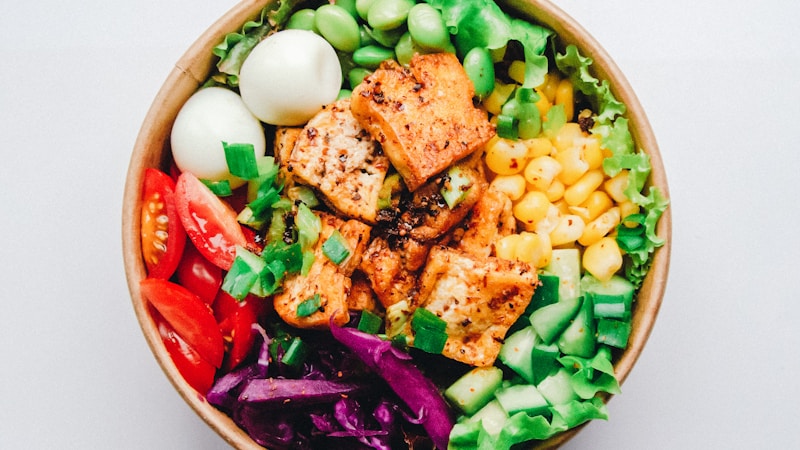
Feeling drained by 3 PM? You’re not alone. Many women struggle with energy dips throughout the day, often reaching for another cup of coffee or sugary snack for a quick fix. But what if there was a better way? The foods you eat play a crucial role in maintaining steady energy levels, and certain nutrients are especially important for women’s unique physiological needs. From iron-rich options to complex carbohydrates and energizing superfoods, the right dietary choices can help you feel more vibrant and alert naturally. Let’s explore the science-backed energy boosting foods that can transform your daily energy levels and overall well-being.
Why Women Need Different Energy-Boosting Strategies
Women’s bodies have unique nutritional needs that directly impact energy levels. Monthly hormonal fluctuations, higher iron requirements due to menstruation, and different metabolic rates all influence how women process and utilize energy from food.
Iron deficiency is particularly common among women of reproductive age, affecting up to 15% of women globally. This mineral is essential for carrying oxygen to your cells, and without adequate levels, you’ll likely experience fatigue, weakness, and difficulty concentrating. Additionally, women require more folate and B vitamins to support cellular energy production and hormone regulation.
Understanding these differences is the first step toward making informed food choices. Rather than relying on quick fixes like caffeine or sugar, focusing on nutrient-dense foods that address these specific needs can provide sustained energy throughout your day. The key is combining foods rich in iron, B vitamins, healthy fats, and complex carbohydrates to create meals that fuel your body efficiently.
Iron-Rich Foods: Your Foundation for Sustained Energy
Iron is arguably the most critical nutrient for women’s energy levels. When iron stores are low, your body can’t produce enough healthy red blood cells to carry oxygen efficiently, leading to that familiar feeling of exhaustion.
Excellent iron-rich options include lean red meat, poultry, and fish, with beef liver containing the highest concentrations. However, plant-based sources are equally valuable and often come with additional energy-supporting nutrients. Spinach, lentils, chickpeas, and quinoa are powerhouse foods that provide iron alongside fiber and protein.
To maximize iron absorption, pair these foods with vitamin C sources like bell peppers, citrus fruits, or strawberries. A spinach salad with strawberries and pumpkin seeds, or lentil soup with tomatoes, creates synergistic combinations that enhance nutrient uptake.
It’s worth noting that certain foods can inhibit iron absorption. Coffee, tea, and calcium-rich foods can interfere with iron uptake, so try to consume them separately from your iron-rich meals when possible. Consider having your morning coffee an hour before or after your iron-rich breakfast for optimal absorption.
Complex Carbohydrates: Your Body’s Preferred Fuel Source
Not all carbohydrates are created equal when it comes to sustaining energy. While simple sugars provide quick bursts followed by crashes, complex carbohydrates offer steady, long-lasting fuel that keeps you energized for hours.
Oats are a champion in this category, containing beta-glucan fiber that slows digestion and provides sustained glucose release. Starting your day with steel-cut oats topped with berries and nuts creates a balanced meal that can keep you satisfied until lunch. Sweet potatoes are another excellent choice, packed with complex carbs, fiber, and beta-carotene that supports overall health.
Whole grains like quinoa, brown rice, and whole wheat pasta provide B vitamins essential for energy metabolism. These nutrients help convert the food you eat into usable energy at the cellular level. Unlike refined grains, whole grains maintain their nutrient content and fiber, preventing the blood sugar spikes and crashes that leave you feeling depleted.
Beans and legumes deserve special recognition as they combine complex carbohydrates with protein and iron. Black beans, kidney beans, and chickpeas are versatile additions to salads, soups, and main dishes that provide steady energy while supporting muscle function and satiety.
Energizing Superfoods and Healthy Fats
Certain foods stand out for their exceptional energy-boosting properties, earning them ‘superfood’ status. Chia seeds, despite their tiny size, pack an impressive nutritional punch with omega-3 fatty acids, protein, and fiber. When soaked, they create a gel-like consistency that provides sustained energy release – perfect for overnight oats or smoothie bowls.
Nuts and seeds are portable powerhouses that combine healthy fats, protein, and minerals. Almonds provide magnesium and vitamin E, while pumpkin seeds offer iron and zinc. These foods help stabilize blood sugar levels and provide the building blocks your body needs for energy production.
Avocados deserve their reputation as a superfood, containing monounsaturated fats that support hormone production and nutrient absorption. The healthy fats in avocados also help you feel satisfied longer, preventing energy-sapping hunger pangs between meals.
Dark leafy greens like kale and spinach are nutritional goldmines containing iron, folate, and magnesium – all crucial for energy production. They’re also rich in nitrates, which may improve oxygen delivery to muscles and brain tissue. Try adding a handful of spinach to your morning smoothie or enjoying a kale salad with lunch.
Fatty fish like salmon, sardines, and mackerel provide omega-3 fatty acids and high-quality protein. These nutrients support brain function, reduce inflammation, and help maintain steady energy levels throughout the day.
Practical Meal Planning and Energy-Boosting Combinations
Creating energy-sustaining meals doesn’t have to be complicated. The key is combining foods from different categories to create balanced plates that provide steady fuel throughout your day.
For breakfast, aim for a combination of complex carbohydrates, protein, and healthy fats. Try overnight oats with chia seeds, berries, and almond butter, or whole grain toast topped with avocado and a poached egg. These combinations provide immediate energy while sustaining you until your next meal.
Lunch should focus on lean protein, vegetables, and whole grains. A quinoa bowl with roasted vegetables, chickpeas, and tahini dressing offers complete nutrition and sustained energy. Alternatively, a spinach salad with grilled chicken, sweet potato, and pumpkin seeds provides iron, complex carbs, and healthy fats.
For snacks, choose options that combine protein with complex carbs or healthy fats. Apple slices with almond butter, Greek yogurt with berries, or hummus with vegetable sticks all provide steady energy without the crash associated with processed snacks.
Timing matters too. Eating smaller, more frequent meals can help maintain steady blood sugar levels and prevent energy dips. Try eating every 3-4 hours, focusing on balanced combinations rather than single-food snacks.
Meal prep can be your secret weapon for maintaining consistent energy levels. Batch-cook quinoa, roast vegetables, and prepare energy balls made from dates, nuts, and seeds for grab-and-go options throughout the week.
Recommended Products
To support your wellness journey, consider these helpful products:
Final Thoughts
Transforming your energy levels doesn’t require drastic changes – it starts with making informed food choices that support your body’s unique needs as a woman. By incorporating iron-rich foods, complex carbohydrates, healthy fats, and energizing superfoods into your daily routine, you can experience more consistent, sustained energy throughout your day. Remember, small changes add up to significant results. Start by adding one or two energy-boosting foods to your meals this week, and gradually build from there. Your body will thank you with improved vitality, better focus, and the energy you need to thrive in all areas of your life. Listen to your body, stay consistent with your nutrition choices, and watch as your natural energy levels soar.